Avoiding Turf Installation Delays: Tips for Texas Contractors
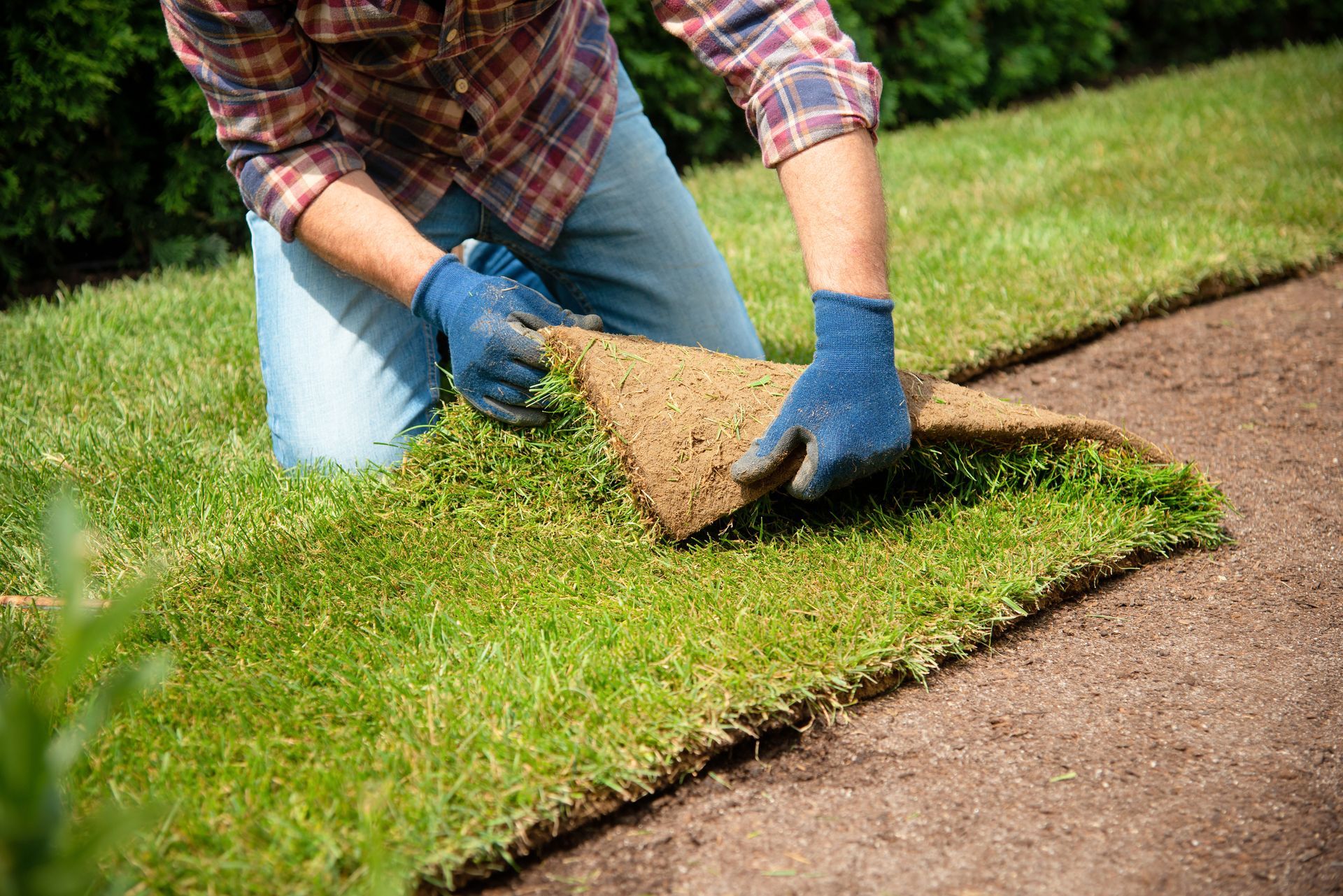
In the commercial construction landscape, few specialty installations are as time-sensitive and specification-driven as synthetic turf systems. Whether the project involves a high school stadium, a municipal park, or a private athletic facility, turf installation timelines are often non-negotiable — tied to athletic seasons, grant deadlines, or city ribbon cuttings.
For general contractors managing athletic complex or sports field builds in Texas, avoiding delays during turf installation is essential to maintaining client trust, keeping subcontractors coordinated, and protecting warranty coverage. With climate challenges, supply timelines, and sub-base complexities all playing a role, even small missteps can turn into costly setbacks.
At Texas Sports Turf & Netting, we regularly partner with general contractors across the state to deliver high-performance, code-compliant turf fields on time and within budget. Drawing from hundreds of completed projects, we’ve compiled key tips to help GCs and construction managers streamline their turf phases and avoid common pitfalls.
Engage a Turf Partner Early in Pre-Construction
Too often, turf is treated as a finishing detail instead of a core system — leading to misaligned scopes, schedule miscalculations, or incomplete site prep. To avoid this, general contractors should engage the turf subcontractor during the design or pre-construction phase, not weeks before installation.
Early involvement ensures:
- Alignment between turf specs and civil/structural design
- Proper base prep and drainage detailing in construction documents
- Clear timelines for procurement and site readiness
- Coordination of turf edge conditions, fencing, and infill transitions
In fast-moving Texas projects — especially in growing markets like DFW, Austin, and Houston — turf lead times can extend 8–10 weeks, particularly for custom systems or branded inlays. Starting procurement planning early reduces risk of schedule disruption.
Prioritize Base Preparation and Subgrade Accuracy
The most common cause of turf installation delays isn’t turf itself — it’s the sub-base. Turf systems require tight tolerances for grading, compaction, and drainage slope, often more precise than standard site grading.
Base prep delays occur when:
- Subgrade has soft spots, organics, or non-uniform compaction
- Drainage slopes are off by more than 0.5%
- Aggregate is not compacted to 95% Proctor density
- The base contains oversized rock that interferes with turf anchoring
To stay on schedule, turf subcontractors need clean, compacted, and graded bases upon mobilization. Contractors should build time into the schedule for sub-base inspections — ideally by the turf installer — before scheduling the actual laydown.
Texas Sports Turf & Netting offers pre-install walkthroughs and GPS verification to confirm base prep is in spec, helping GCs avoid downstream rework.
Confirm Site Access and Staging for Turf Materials
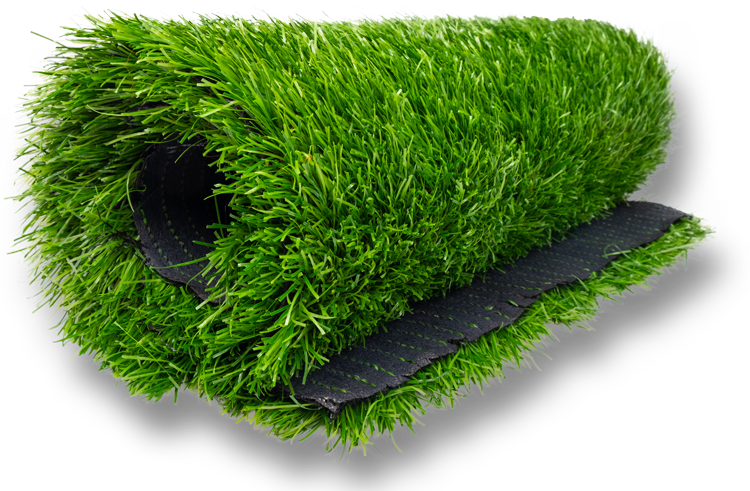
Synthetic turf projects typically involve large, rolled goods, infill materials, seam tapes, adhesives, and sometimes shock pad layers. Delays often occur when access isn’t planned for:
- Truck delivery routes and unloading zones
- Material staging within reach of install areas
- Secure storage of sensitive materials (e.g., adhesives in hot weather)
- Sufficient laydown space for turf panels and cutting
For urban sites or confined campuses, planning delivery windows and crane access (if needed) is crucial. Communicating clearly with the turf vendor regarding site logistics will ensure smoother sequencing.
We recommend a 48- to 72-hour material staging window prior to turf mobilization to allow time for inspection, layout, and weather adjustments.
Watch the Weather — and Understand Texas Climate Impacts
Texas contractors are no strangers to weather-related delays, but few recognize how specific turf installation activities are weather-sensitive, particularly during:
- Turf seam gluing (requires dry conditions and stable temps)
- Infill installation (cannot proceed during high winds or rain)
- Adhesive curing (can be affected by humidity and surface temperature)
High heat in areas like South Texas can also impact glue open times and material flexibility. In cooler seasons, installers may need additional time for curing or heat-assisted seaming.
To avoid delays:
- Build 3–5 weather contingency days into the turf schedule
- Plan turf installs outside of rainy season peaks (e.g., late spring or early fall)
- Discuss turf adhesive and infill tolerances with the installer based on seasonal timing
Professional turf subcontractors like Texas Sports Turf & Netting use weather-adaptive scheduling and product selections to minimize impact, but GCs should still anticipate and communicate these risks during project planning.
Protect Warranty by Sticking to Manufacturer Specs
Turf systems are governed by strict installation tolerances that affect product warranties, GMAX ratings, and drainage performance.
Delays often arise when third-party trades interfere with turf zones or overlook critical install specifications.
Avoidable missteps include:
- Inappropriate soil or gravel substitution in base layers
- Utilities or irrigation installed too close to turf lines
- Concrete edge conditions poured outside of tolerances
- Other trades crossing turf areas during curing
To stay compliant and avoid voided warranties:
- Review turf manufacturer installation specs before site work begins
- Isolate turf install areas from other subs during laydown and curing
- Document field compaction, grading, and drainage performance with testing
Texas Sports Turf & Netting provides manufacturer-approved specifications and install reports, ensuring your team has the documentation needed to protect both your build and the field’s long-term warranty coverage.
Communicate Scope Clearly in Contracts and Schedules
On many Texas projects, turf scopes are managed under the site subcontractor, the general contractor directly, or a specialty sports contractor. Miscommunication between scopes often causes critical path issues.
To reduce delays:
- Clearly define
base prep ownership (sitework vs turf sub)
- Identify utility responsibilities (e.g., irrigation relocation, conduit sleeves)
- Confirm if the
turf vendor is providing infill and shock pads, or if these are by others
- Schedule
pre-mobilization meetings between turf and site teams to align on sequencing
GCs should ensure that turf work is not compressed at the end of the project, as quality turf installation requires favorable conditions and uninterrupted time — not last-minute pressure.
Delivering Turf Projects Without Surprises
For Texas general contractors, avoiding turf installation delays requires proactive planning, clear scope coordination, and climate-informed scheduling. With demand for high-performance synthetic fields growing across schools, municipalities, and private developments, contractors who can deliver turf systems on time and on spec will stand out in an increasingly competitive market.
Working with an experienced turf partner like Texas Sports Turf & Netting ensures that the most specialized part of your sports field project supports — not jeopardizes — your schedule, budget, and client satisfaction.


Batting Cage Maintenance Checklist for Schools and Facilities: Preparing for High-Usage Fall Seasons