Batting Cage Installation in Texas: What to Know Before Baseball & Softball Season
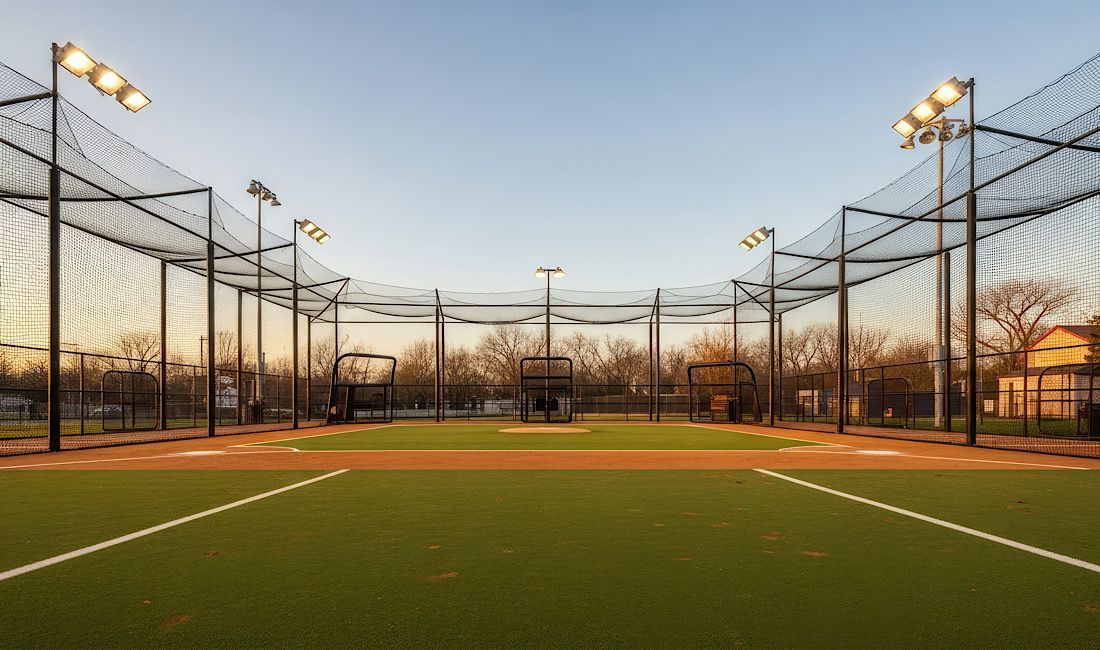
As baseball and softball season approaches across Texas, schools, training facilities, municipalities, and private sports complexes are turning their attention to one critical preparation step: batting cage installation. Batting cages are no longer viewed as optional training features. They are essential infrastructure that supports player development, protects surrounding areas, and allows teams to practice efficiently regardless of field availability. In Texas, where weather, year-round usage, and high participation rates place added strain on facilities, proper planning is the difference between a cage that performs for years and one that becomes a recurring problem.
Texas Sports Turf & Netting works with organizations statewide that are preparing for spring and summer baseball and softball demands. One of the most common issues we encounter is facilities rushing installation decisions just weeks before the season begins. While batting cages may appear straightforward, successful batting cage installation in Texas requires careful consideration of materials, layout, safety standards, and environmental conditions unique to the state. Taking a proactive, informed approach not only improves training outcomes but also reduces long-term maintenance and liability concerns.
According to USA Baseball, repetition and controlled practice environments are critical to skill development at every level of play. Batting cages provide that environment—when they are properly designed and installed. In Texas, where teams often practice outdoors for much of the year, that design must also account for heat, wind, and heavy use.
Why Batting Cage Planning Matters in Texas
Texas presents a unique set of challenges for baseball and softball facilities. Extended seasons, intense sun exposure, and sudden storms all affect how batting cages perform over time. Facilities that fail to plan for these conditions often experience premature netting failure, unstable frames, or safety issues that interrupt training schedules.
Effective planning helps facilities:
- Maximize usable practice time
- Protect players, coaches, and spectators
- Reduce long-term repair and replacement costs
From firsthand experience, one of the most common planning mistakes is underestimating how frequently batting cages will be used. In Texas, cages often support multiple teams, age groups, and training sessions each day. This level of usage demands durable materials and professional installation techniques.
The Sports Turf Managers Association emphasizes that training infrastructure should be designed for actual usage patterns rather than minimum expectations. For Texas facilities, that means planning for heavy, continuous use from early spring through late fall—and often beyond.
Choosing the Right Batting Cage Type and Layout
Batting cage layout plays a major role in functionality and safety. The ideal configuration depends on available space, user age, and whether the cage will be used for baseball, softball, or both. Texas facilities range from small school practice areas to large multi-cage training complexes, making customization especially important.
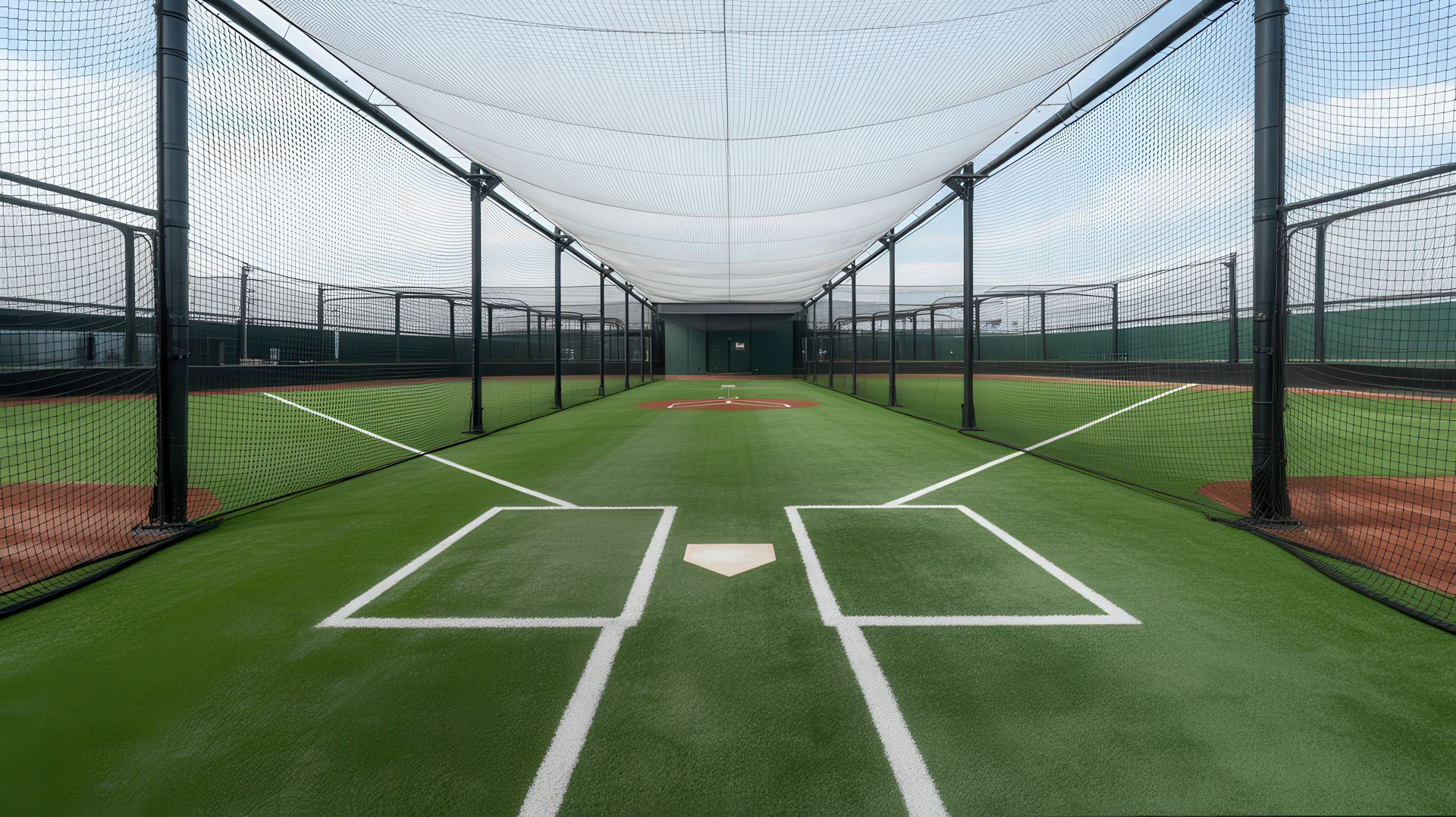
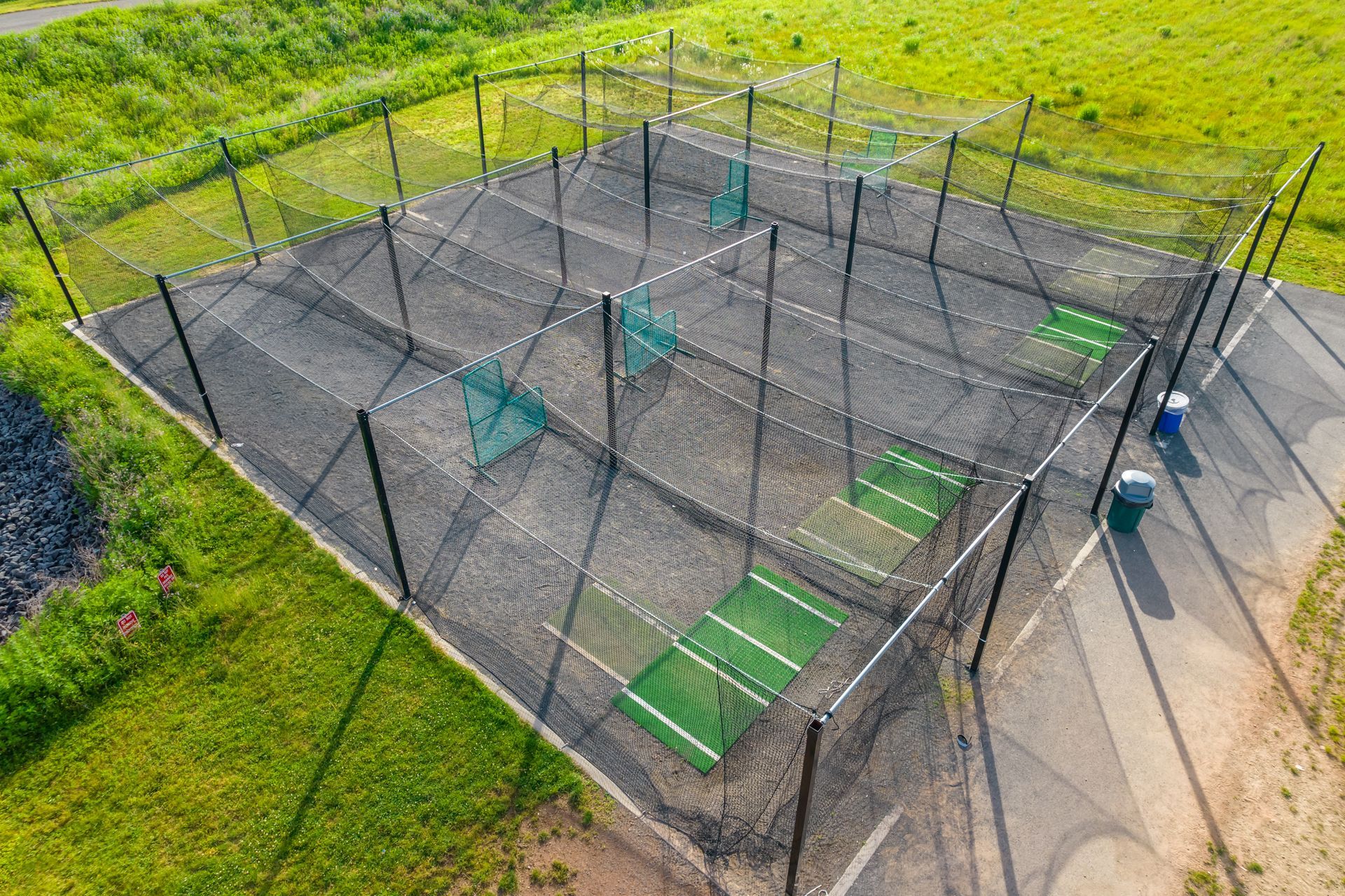
Common batting cage configurations include:
- Single straight cages for focused team practice
- Multiple parallel cages for high-volume training
- Tunnel-style cages with shared netting systems
Proper spacing between cages is critical. Inadequate clearance can create safety hazards and limit coaching effectiveness. Facilities should also consider pitcher protection, L-screens, and pitching machine placement when planning layouts.
Orientation matters as well. In outdoor installations, cage alignment should account for sun angle and prevailing winds. In Texas, poor orientation can result in visibility issues for hitters or increased net movement during windy conditions, reducing training quality.
Materials That Perform in Texas Conditions
Material selection is one of the most important decisions in batting cage installation. Texas weather is unforgiving, and lower-grade materials often fail far sooner than expected. Netting, frames, cables, and anchors must all be selected with climate and usage in mind.
High-quality batting cage netting typically features:
- UV-stabilized polyethylene or nylon
- Proper mesh size for baseball or softball velocities
- Reinforced edges and seams
According to the Synthetic Turf Council, UV exposure is one of the leading causes of synthetic material degradation in outdoor sports installations. In Texas, where sunlight intensity is high year-round, UV-stabilized netting significantly extends service life.
Frame materials are equally important. Galvanized steel and powder-coated systems resist corrosion and maintain structural integrity under wind load. From real-world installations, facilities that invest in durable materials upfront experience fewer mid-season failures and lower long-term costs.
Safety Considerations for Players and Facilities
Safety is a primary concern in batting cage design, especially as ball exit velocities increase with player age and skill level. Improperly installed cages can allow balls to escape, creating risk for nearby athletes or spectators.
Key safety considerations include:
- Proper net tension to prevent rebound hazards
- Secure anchoring of frames and cables
- Adequate clearance behind hitters and pitchers
The American Society for Testing and Materials outlines performance expectations for sports netting systems, emphasizing impact resistance and containment. In Texas, wind adds another layer of complexity, making professional tensioning and anchoring essential.
Facilities should also plan for safe entry and exit points. Zippers, overlapping net panels, or framed openings must be positioned to avoid creating weak spots where balls can escape. Regular inspections are critical, but safety begins with proper installation.
Indoor vs Outdoor Batting Cages in Texas
Both indoor and outdoor batting cages are common in Texas, and each comes with distinct planning considerations. Outdoor cages benefit from natural airflow and space flexibility but must contend with weather exposure. Indoor cages offer controlled environments but require adequate ceiling height, lighting, and ventilation.
Outdoor batting cages require:
- Weather-resistant materials
- Wind load engineering
- Drainage planning around cage bases
Indoor cages require:
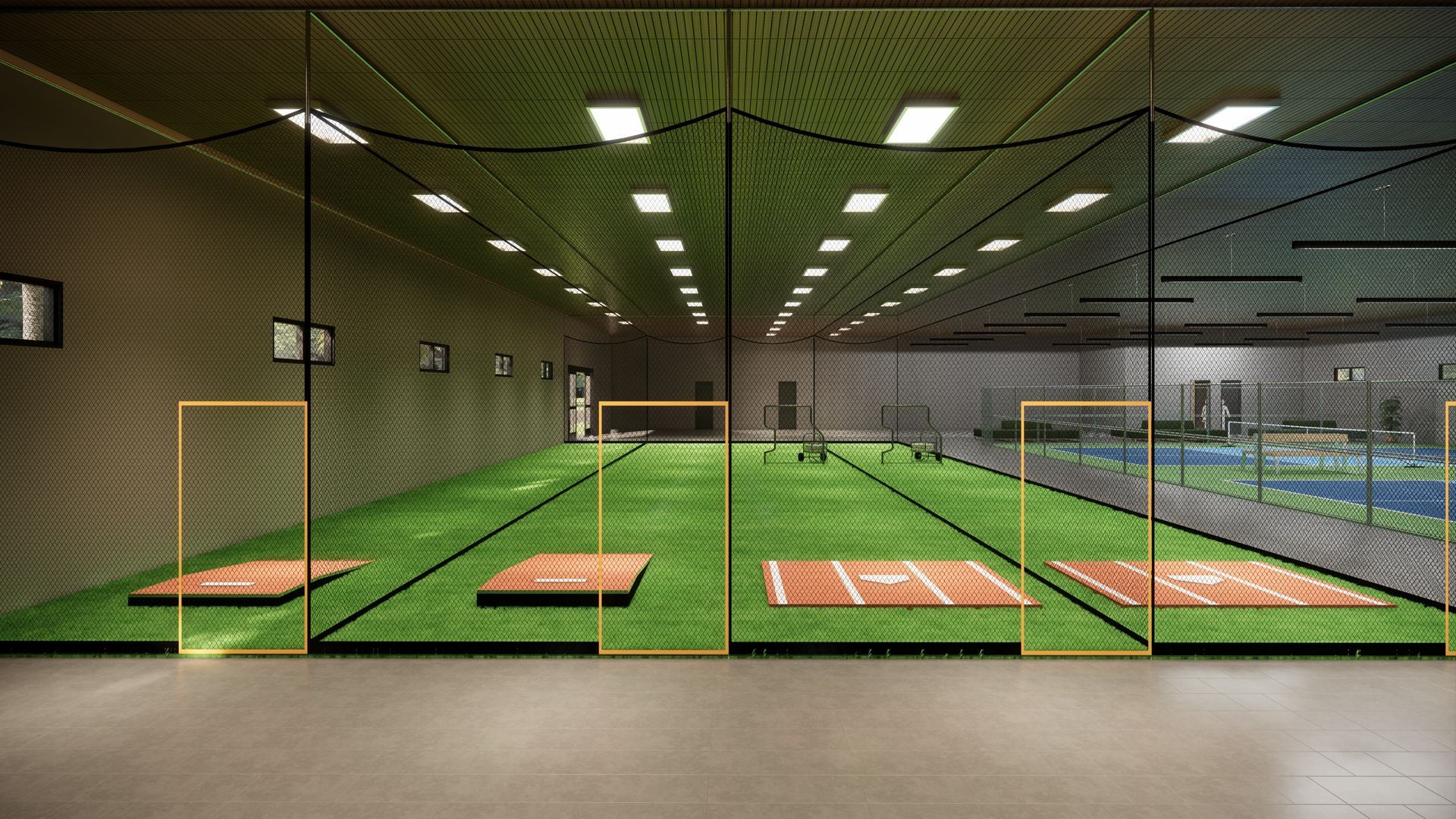
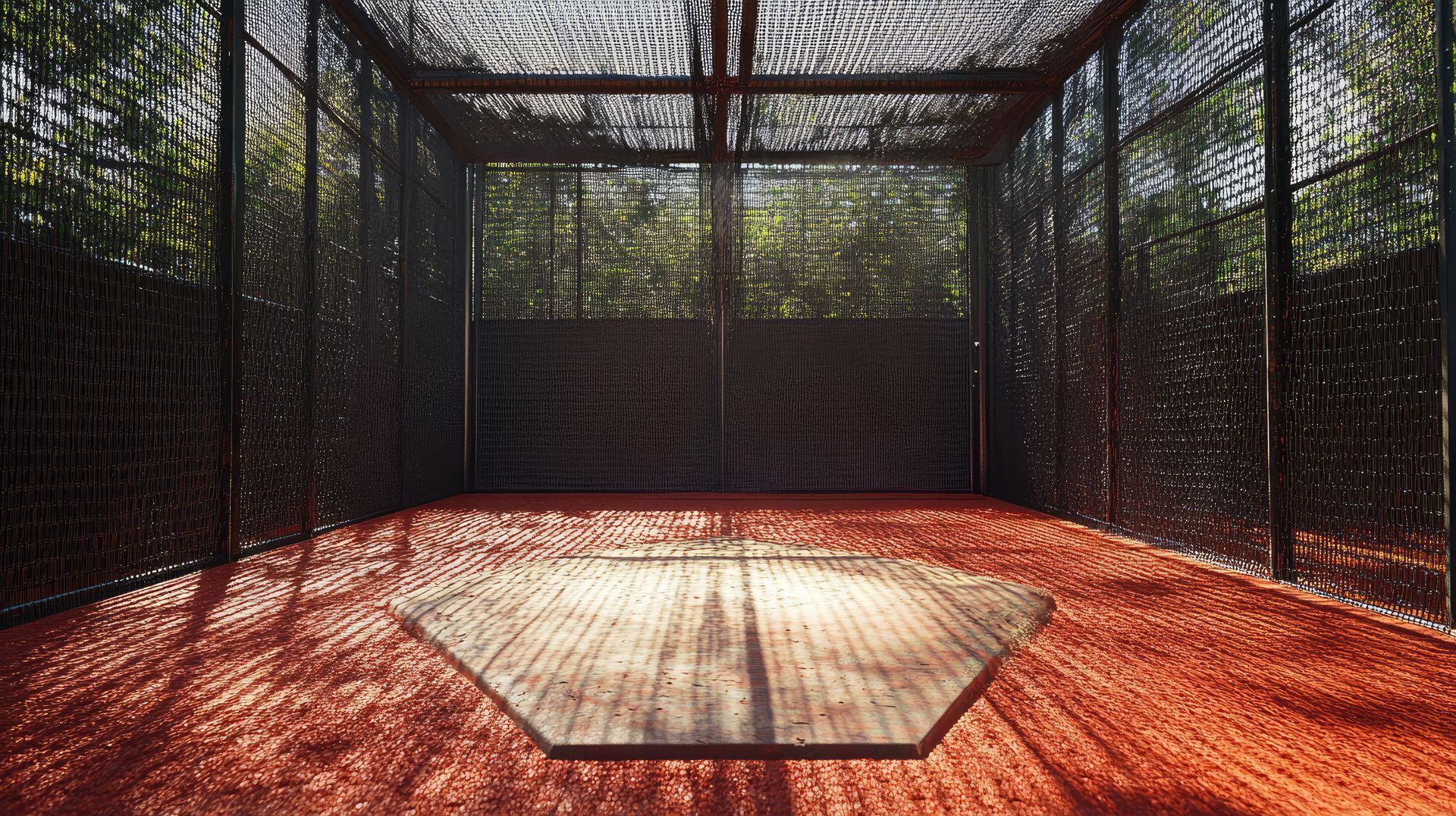
- Shock-absorbing flooring or turf
- Adequate lighting for pitch visibility
- Netting systems compatible with confined spaces
From practical experience, many Texas facilities adopt a hybrid approach—outdoor cages for team practice and indoor cages for year-round training. Choosing the right type depends on facility goals, budget, and seasonal usage patterns.
Weather and Environmental Planning
Weather planning is often overlooked until problems arise. Texas storms can arrive quickly, bringing high winds and heavy rain that place stress on batting cage systems. Proper planning minimizes downtime and damage.
Environmental planning should address:
- Drainage around cage footprints
- Wind exposure and load distribution
- Heat-related material expansion
Texas A&M AgriLife Extension research highlights how soil movement and moisture changes affect outdoor structures. Anchoring systems must be designed for local soil conditions to prevent shifting or instability.
Facilities that plan for weather resilience experience fewer emergency repairs and greater confidence in year-round use.
Working With Professional Batting Cage Contractors
While some facilities attempt DIY installations, professional batting cage contractors offer expertise that significantly reduces risk. Experienced installers understand how to select materials, engineer layouts, and comply with safety standards—especially in Texas environments.
Professional installation provides:
- Proper tensioning and anchoring
- Compliance with safety and performance standards
- Efficient project timelines
Texas Sports Turf & Netting works with schools, municipalities, and training facilities across the state to design and install batting cages that match real-world usage demands and Texas-specific conditions. From material selection and layout planning to professional installation and long-term performance considerations, their team helps facilities avoid costly mistakes and build reliable training environments. Engaging Texas Sports Turf & Netting early in the planning process allows organizations to move into baseball and softball season confident that their batting cages are safe, durable, and built to perform.
Maintenance and Long-Term Performance
Batting cages require routine maintenance to remain safe and effective. Spring is an ideal time to inspect netting, hardware, and anchoring systems before peak usage begins.
Recommended maintenance practices include:
- Inspecting netting for wear or UV damage
- Checking tension and attachment points
- Addressing minor repairs before they expand
According to industry maintenance guidelines, proactive care can significantly extend netting lifespan. Facilities that schedule seasonal inspections experience fewer disruptions during the competitive season.
Frequently Asked Questions About Batting Cage Installation in Texas
- How long does batting cage installation take?
Most installations take one to three days, depending on size and complexity. - What netting material is best for Texas weather?
UV-stabilized polyethylene or nylon netting performs best in prolonged sun exposure. - Can batting cages be used for both baseball and softball?
Yes, with proper netting selection and layout planning. - Do outdoor batting cages require permits in Texas?
Some municipalities require permits, especially for permanent structures. Local regulations should be reviewed early. - How often should batting cage netting be replaced?
High-quality netting typically lasts five to ten years, depending on usage and maintenance.
Batting cages play an essential role in baseball and softball training across Texas. When facilities focus on smart planning, durable materials, and proper installation, they create reliable practice environments that hold up through heavy use and changing conditions. Preparing with Texas-specific factors in mind helps ensure batting cages are ready for the season and built for long-term performance.

Batting Cage Maintenance Checklist for Schools and Facilities: Preparing for High-Usage Fall Seasons