Comparing Indoor Turf to Rubber & Carpet for Athletic Use
As Texas gym owners and indoor sports facility managers face increasing pressure to deliver high-performance, multi-use training environments, flooring has become a critical investment decision. For decades, rubber and carpet have been the go-to surfaces for fitness studios, indoor fields, and performance gyms. However, synthetic indoor turf has emerged as the superior alternative, offering unmatched durability, safer biomechanics, and greater long-term value.
With more complex owners shifting toward turf across Texas — from Dallas strength gyms to Houston training academies — the conversation is no longer about whether turf can replace rubber or carpet. It’s about how turf outperforms both in key areas like durability, safety, and programming versatility.
At Texas Sports Turf & Netting, we’ve worked with hundreds of facility operators to analyze flooring options from both a functional and financial perspective. Below is a comprehensive comparison of indoor turf vs. rubber and carpet, specifically designed for performance-focused facility decision-makers.
Durability: How Each Surface Withstands High-Impact Use
Texas sports facilities face intense usage schedules. Whether it's a strength gym hosting HIIT classes every hour or an indoor complex running back-to-back team sessions, the flooring system must hold up to:
- Repeated cleat and shoe friction
- Heavy sled pushes and equipment drag
- Plyometric loading and impact
- Sweat, humidity, and temperature swings
Rubber Flooring: Rubber floors are moderately durable but show visible signs of wear in high-traffic areas. They’re prone to surface splitting under sharp cleats, and over time, heavy equipment can cause denting or permanent compression. In high-moisture environments (like coastal Texas cities), rubber may also harbor odor or bacteria without regular deep cleaning.
Carpet Flooring: Carpet tiles or rolled carpet sport surfaces wear out quickly under aggressive use. Fiber matting, fraying at seams, and surface flattening are common within 1–2 years. For sled work or cleat usage, carpet becomes slick or tears, which compromises training safety.
Synthetic Turf: Modern turf systems — especially those installed by Texas Sports Turf & Netting — are engineered for high-load, multi-directional use. Turf fiber blends are:
- UV-stable
- Non-directional (avoiding wear paths)
- Backed with heavy-duty polyurethane
- Resilient against cleats, sleds, and sprint starts
With proper care, indoor turf systems last 8–12 years, providing reliable, consistent performance far beyond rubber or carpet alternatives.
Safety and Athlete Performance
For gyms and sports complexes focused on athlete development, flooring must support safe biomechanics and minimize injury risk. This is especially critical in facilities hosting:
- Speed and agility training
- Youth athletics
- HIIT programs
- Rehabilitation sessions
Rubber Flooring: While rubber offers shock absorption, it often lacks traction under high-speed directional changes, especially when wet. It's also firm, which can stress joints during jumping or sprint drills.
Carpet Flooring: Carpet has inconsistent friction, which creates slip hazards during acceleration or deceleration. Abrasion risk is high, particularly for knees and elbows during ground-based drills or falls. Carpet surfaces also provide little to no impact cushioning.
Synthetic Turf: Turf offers superior biomechanical support:
- Consistent grip across the entire surface
- Optional shock pad systems for joint protection and reduced concussions
- Low-abrasion fibers to prevent turf burns or scrapes
- Cushioned landings for box jumps, sprint starts, or fall recovery
In a 2023 Texas Sports Facility Injury Report, facilities with synthetic turf reported 25% fewer surface-related injuries in HIIT and youth programs compared to rubber or carpeted gyms.
Maintenance and Hygiene
Operational efficiency includes more than just performance — facility owners also need flooring that’s easy to clean, resistant to odor, and safe for repeated use.
Rubber Flooring: Requires routine mopping and occasional resurfacing. Surface pores can trap sweat, bacteria, and odors if not maintained thoroughly.
Carpet Flooring: Carpet holds onto moisture, sweat, and debris. It requires frequent vacuuming and deep cleaning to prevent odor and mold — particularly problematic in humid parts of Texas.
Synthetic Turf: Indoor turf is designed for easy upkeep:
- Drains and dries quickly
- Requires only occasional brushing and disinfecting
- Resistant to mold and bacteria with proper ventilation
- Holds up under UV lights and air-conditioned environments
Most indoor turf owners clean with light equipment and eco-safe disinfectants weekly, with deeper cleaning monthly — far less intensive than rubber or carpet upkeep.
Cost Considerations and Long-Term ROI
Initial installation costs for indoor flooring can vary widely, but facility owners must look at lifecycle value, not just price tags.
Rubber and Carpet:
- Lower upfront cost (approx. $3–$6 per sq ft)
- Shorter lifespan (3–5 years)
- Frequent replacement in high-traffic zones
- Limited programming flexibility (no cleats, no sled work, minimal branding options)
Synthetic Turf:
- Higher initial investment (approx. $7–$12 per sq ft depending on padding, inlays, and customization)
- 8–12 year lifespan with minimal degradation
- Enables broader revenue generation from sports, fitness, and rental use
- Custom layouts and logos boost branding and member experience
In our case studies of Texas training facilities, turf systems paid for themselves within 24–36 months due to increased membership retention, rental income from local sports programs, and reduced maintenance costs.
Programming Flexibility and Branding Potential
A growing trend among Texas fitness entrepreneurs and sports directors is multi-use space design. Facilities want to convert one floorplan into multiple income-generating programs — from team training to personal coaching, and even branded events.
Rubber and Carpet:
- Restrict program design due to traction or equipment limitations
- Do not support cleats, drag drills, or ball sports
- Minimal customization options for branding or zone marking
Synthetic Turf:
- Supports any shoe type (cleats, turf shoes, sneakers)
- Ideal for sport-specific drills, team practices, and HIIT classes
- Customizable with
inlaid logos, field lines, or agility graphics
- Easily paired with other flooring (rubber for weights, turf for speed zones)
By choosing turf, gym owners position their facility as premium, versatile, and athlete-ready — traits that drive competitive edge in a saturated Texas market.
Making the Right Investment
Whether you’re launching a new indoor training center or upgrading an existing facility, flooring is one of the most important decisions you’ll make. It affects everything — from how your clients train to how long your space performs at a high level.
For gym owners and facility managers seeking long-term durability, safety, and return on investment, indoor synthetic turf outperforms rubber and carpet in every major category.
At Texas Sports Turf & Netting, we provide custom turf design and installation services tailored to your programming, space, and performance goals. With engineered systems proven in Texas’s toughest training environments, we help you build a facility that works harder, lasts longer, and delivers a better experience for your athletes and members.


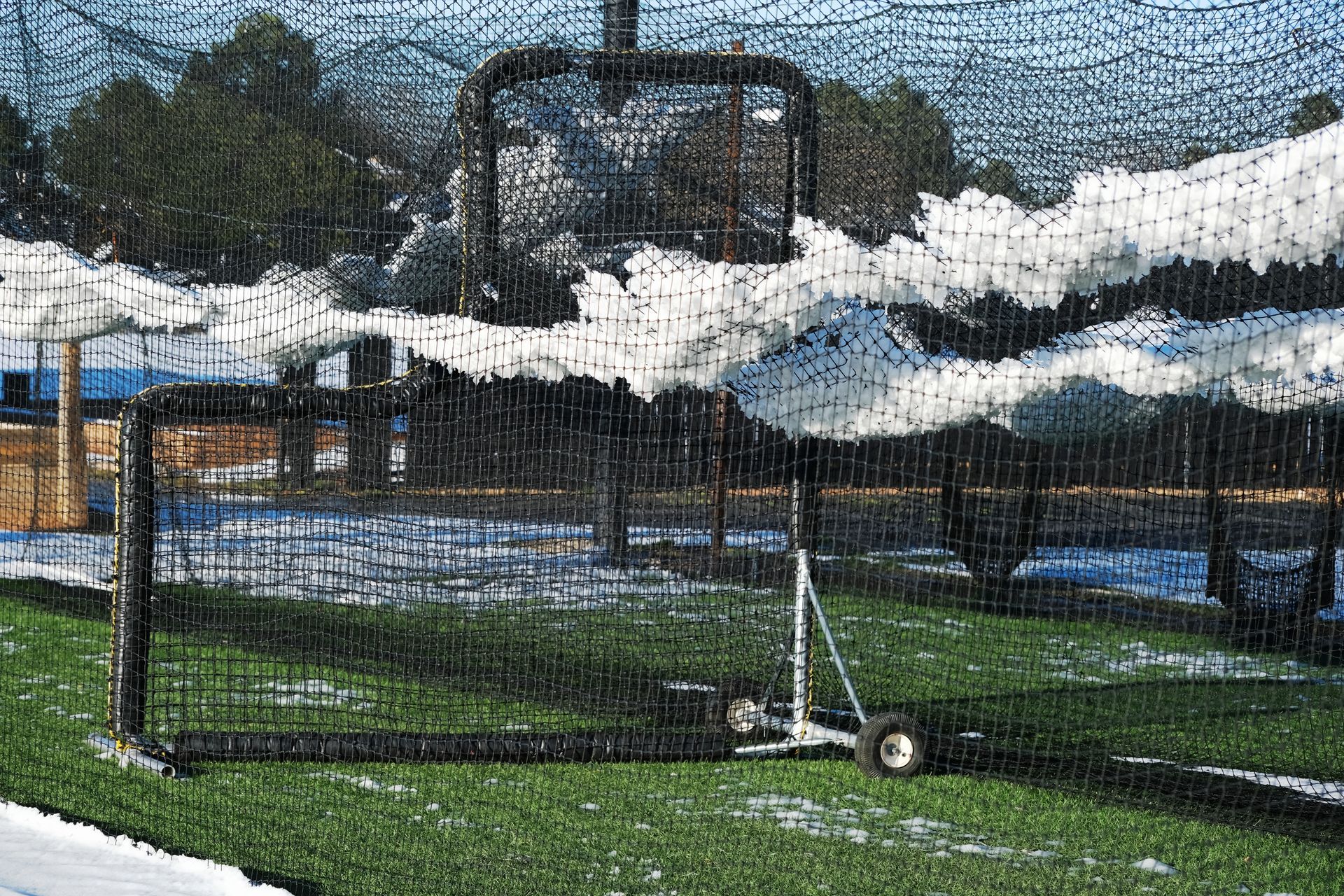
Batting Cage Maintenance Checklist for Schools and Facilities: Preparing for High-Usage Fall Seasons