Indoor Baseball Facilities in Texas: Turf & Netting Solutions for Year-Round Performance
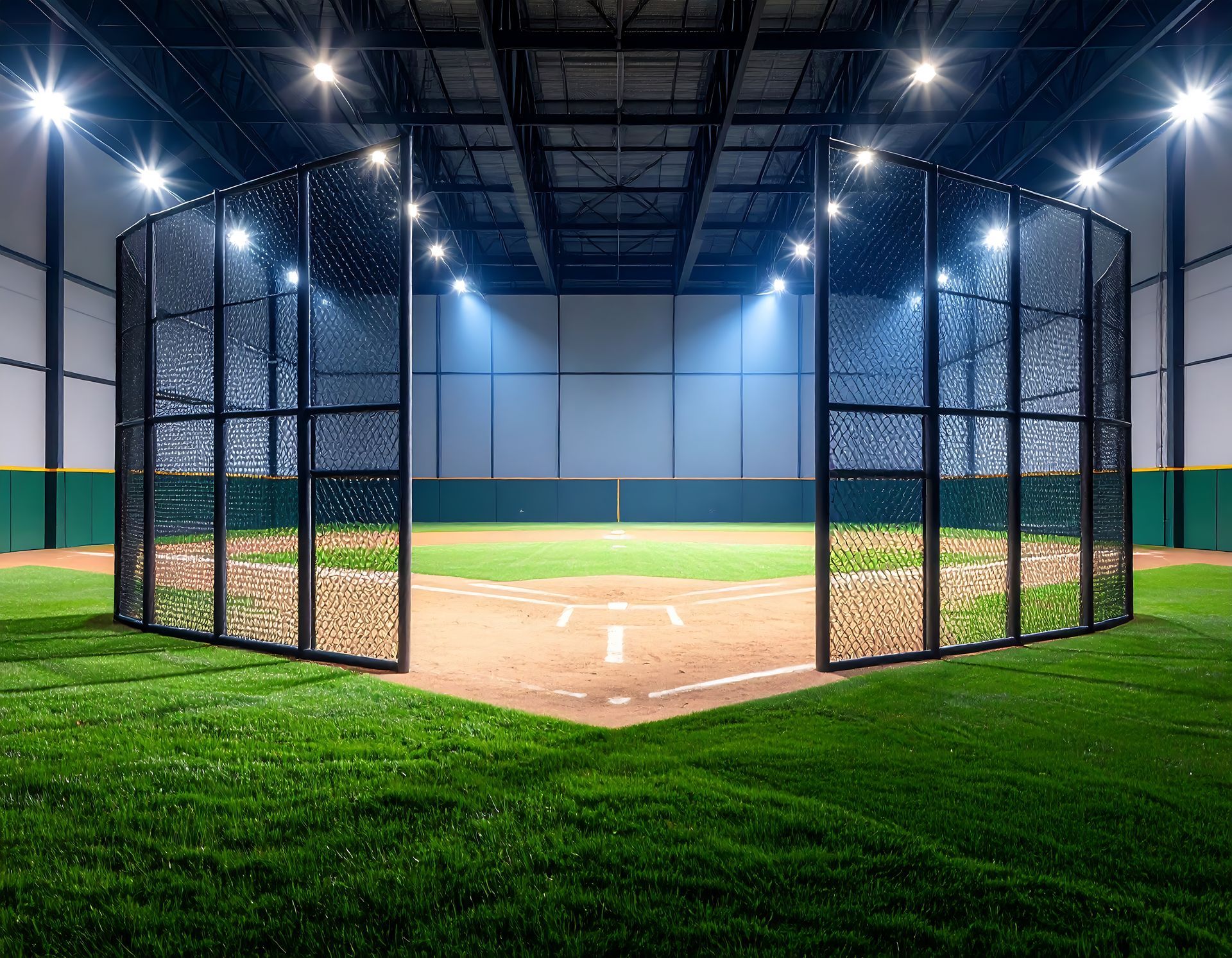
Indoor baseball facilities across Texas have become essential for athletes, coaches, and organizations that want consistent, year-round training regardless of weather extremes. Texas Sports Turf & Netting has worked closely with training centers, schools, and private baseball academies throughout the state, and that firsthand experience makes one reality clear: high-performance turf systems and properly engineered netting are no longer optional upgrades. They are foundational infrastructure for safety, player development, and long-term facility success.
Texas presents unique challenges for indoor baseball environments. Extreme heat, sudden storms, and regional humidity can disrupt outdoor schedules and accelerate surface wear. As a result, indoor baseball facilities rely heavily on specialized baseball turf installation and professional-grade netting systems to replicate outdoor play while protecting athletes and facility investments. According to the Sports & Fitness Industry Association, over 60% of baseball players now train indoors during the off-season, with Texas ranking among the top states for indoor sports facility growth due to year-round demand and population expansion. This growth places increased importance on durable batting cage turf, impact-rated netting, and solutions designed specifically for baseball performance rather than generic flooring or barrier systems.
From a performance perspective, indoor turf and netting influence everything from pitch recognition to footwork mechanics. From a business standpoint, they directly affect maintenance costs, safety liability, and member satisfaction. This article explains how indoor baseball facilities in Texas use turf and netting solutions to support elite-level training, outlining best practices, design considerations, and real-world applications informed by industry standards and professional installation experience.
Why Indoor Baseball Facilities in Texas Depend on Specialized Turf Systems
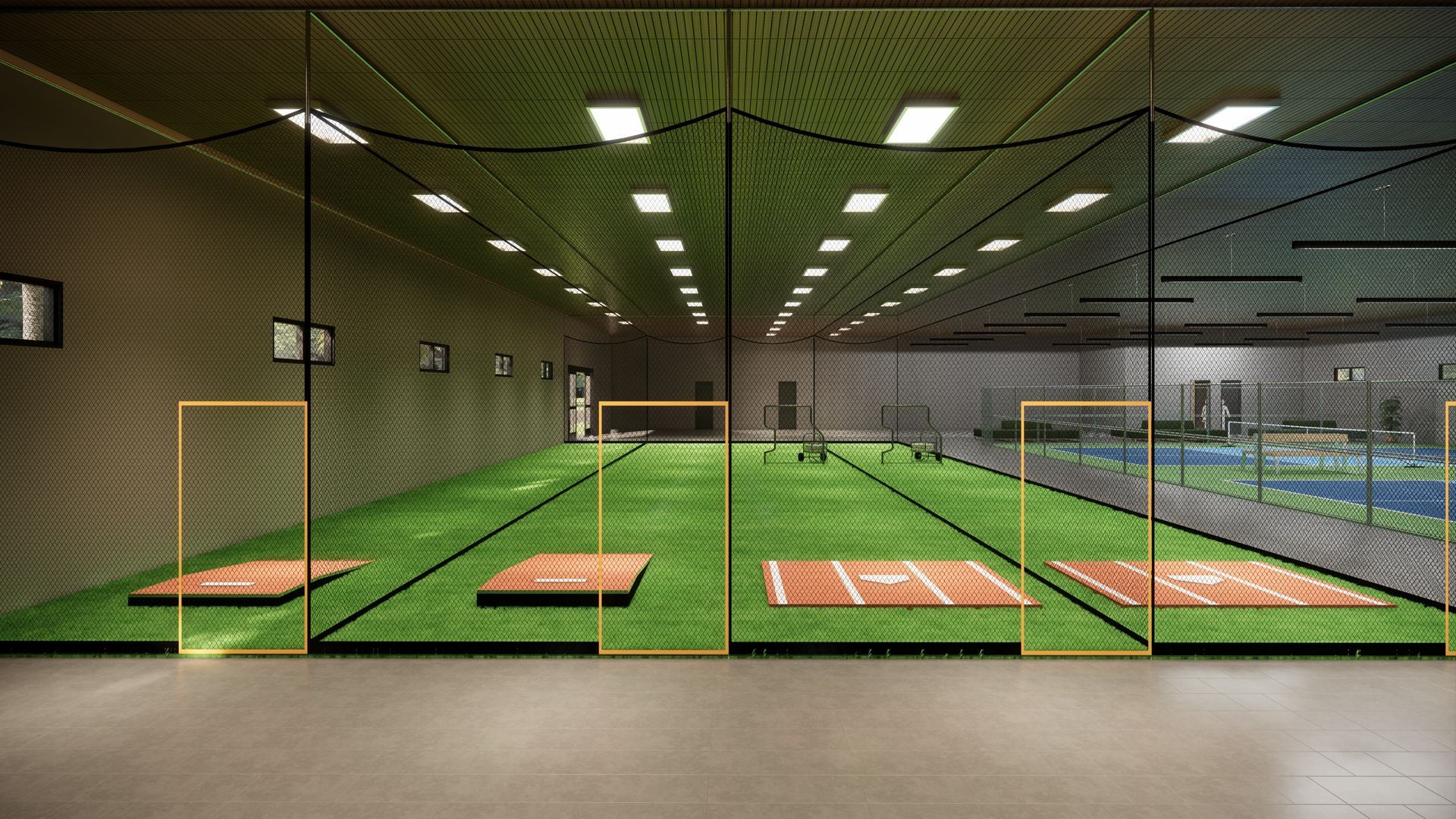
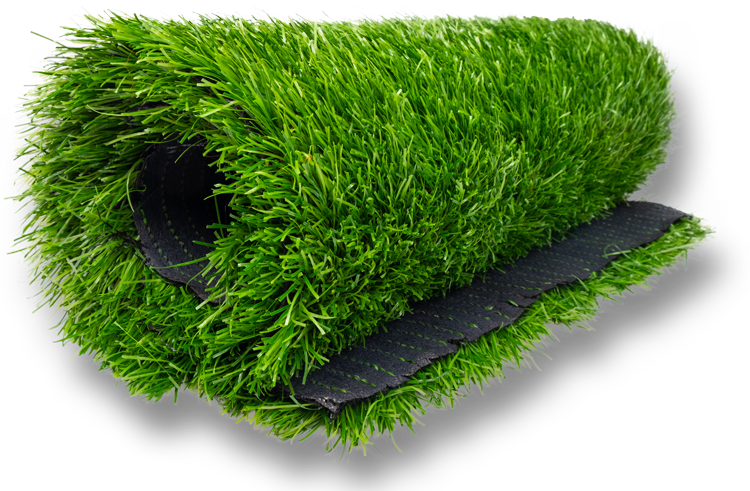
Indoor baseball turf is fundamentally different from outdoor synthetic fields or multi-use gym flooring. In Texas indoor baseball facilities, turf must withstand repetitive sprinting, sliding, pitching rotations, and weighted training equipment while maintaining consistent ball response. Baseball turf installation for indoor environments typically uses low-pile, dense fiber systems paired with high-impact padding layers to protect joints and reduce fatigue.
Research published by the American Sports Builders Association indicates that properly cushioned synthetic turf can reduce lower-extremity stress injuries by up to 20% when compared to hard indoor surfaces such as concrete or rubber flooring. This statistic is particularly relevant in Texas, where many indoor facilities operate year-round without extended downtime for recovery or resurfacing. Athletes training multiple days per week need shock absorption that supports longevity, not just short-term performance.
Batting cage turf is one of the most critical subcomponents within an indoor baseball facility. It must allow hitters to maintain proper traction without grabbing the cleats, while also producing predictable ball roll for drills. High-quality batting cage turf systems are engineered to balance friction and release, which directly affects swing mechanics and timing. In facilities Texas Sports Turf & Netting has serviced, upgrading from generic turf to baseball-specific systems has consistently reduced complaints of joint soreness and uneven footing reported by athletes.
Another major factor is moisture control. Even indoors, Texas humidity can affect surfaces. Professional baseball turf installation incorporates breathable backing systems and proper subfloor preparation to prevent odor, microbial growth, and premature breakdown. These details are often overlooked but play a significant role in maintaining a clean, professional training environment that meets modern expectations for health and safety.
The Role of Netting Systems in Safety, Training Efficiency, and Space Design
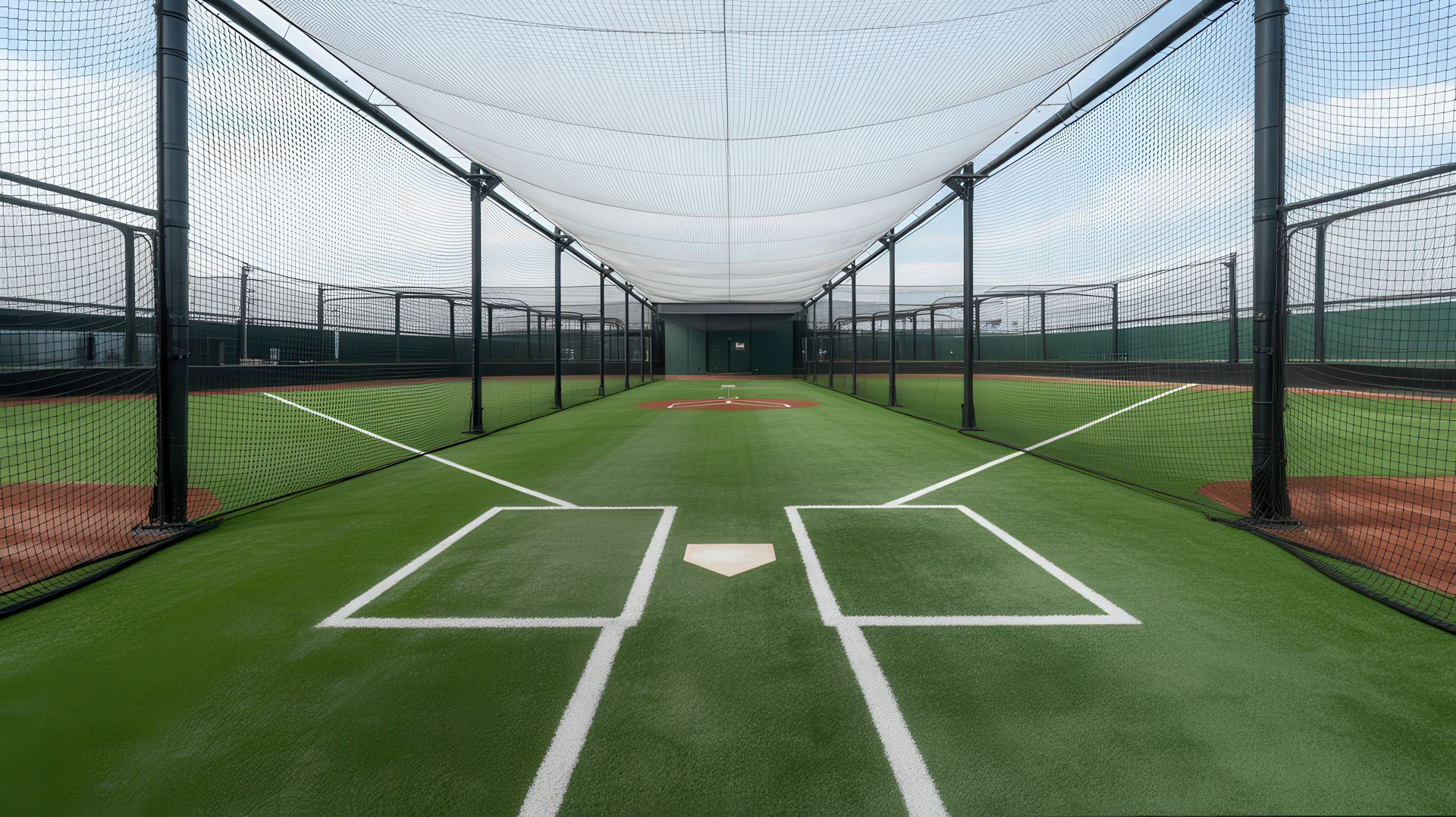
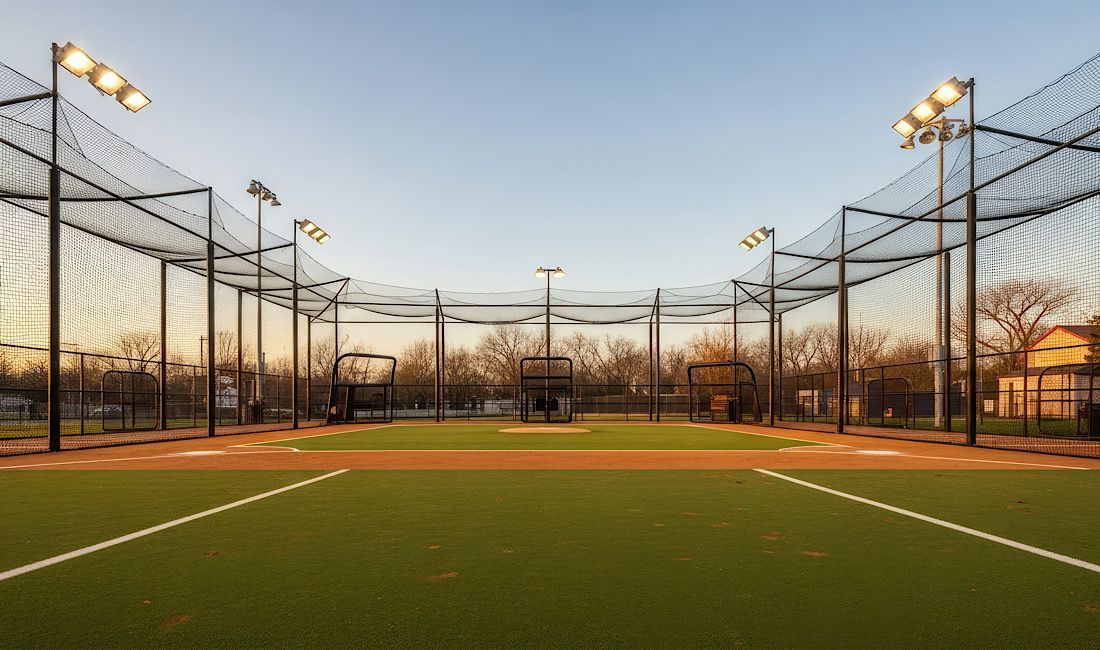
Netting is the unsung backbone of indoor baseball facilities. While turf supports movement and mechanics, netting protects athletes, spectators, equipment, and property. In Texas indoor baseball facilities, netting systems must be designed to withstand high-velocity impacts from both baseballs and softballs, often exceeding 90 miles per hour during pitching and hitting drills.
According to ASTM International safety standards for sports netting, properly rated netting can absorb repeated ball impacts without excessive rebound, reducing ricochet risk by more than 50%. This is critical in confined indoor environments where uncontrolled rebound can lead to injuries or equipment damage. Facilities that invest in impact-rated netting experience fewer interruptions during training and lower long-term replacement costs.
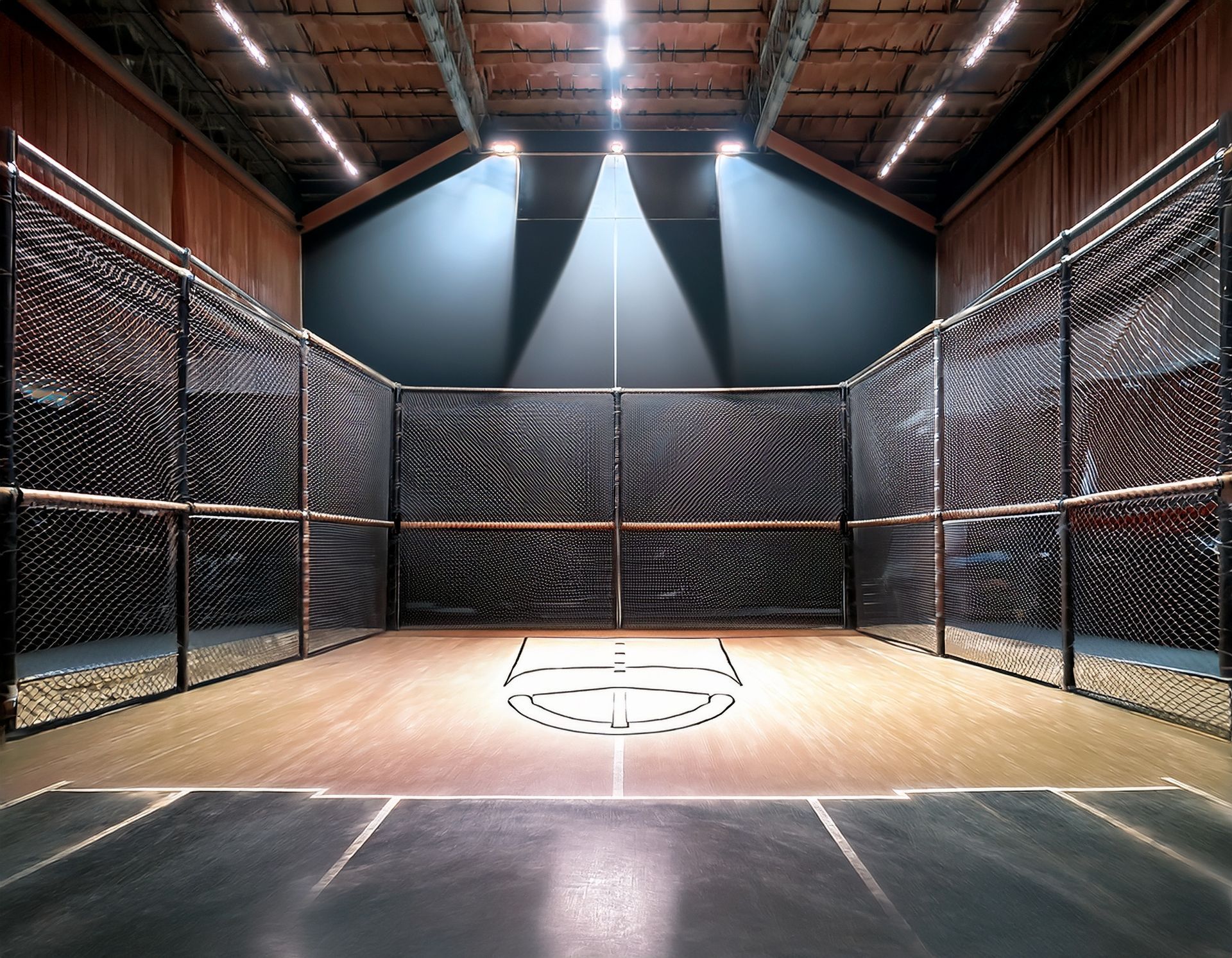
Netting also plays a direct role in training efficiency. Retractable cage systems allow facilities to quickly reconfigure space for individual lessons, team practices, or pitching-only sessions. This flexibility is especially valuable in Texas metropolitan areas where indoor baseball facilities often operate at high capacity. By using ceiling-mounted track systems and custom net layouts, facilities can maximize square footage without compromising safety.
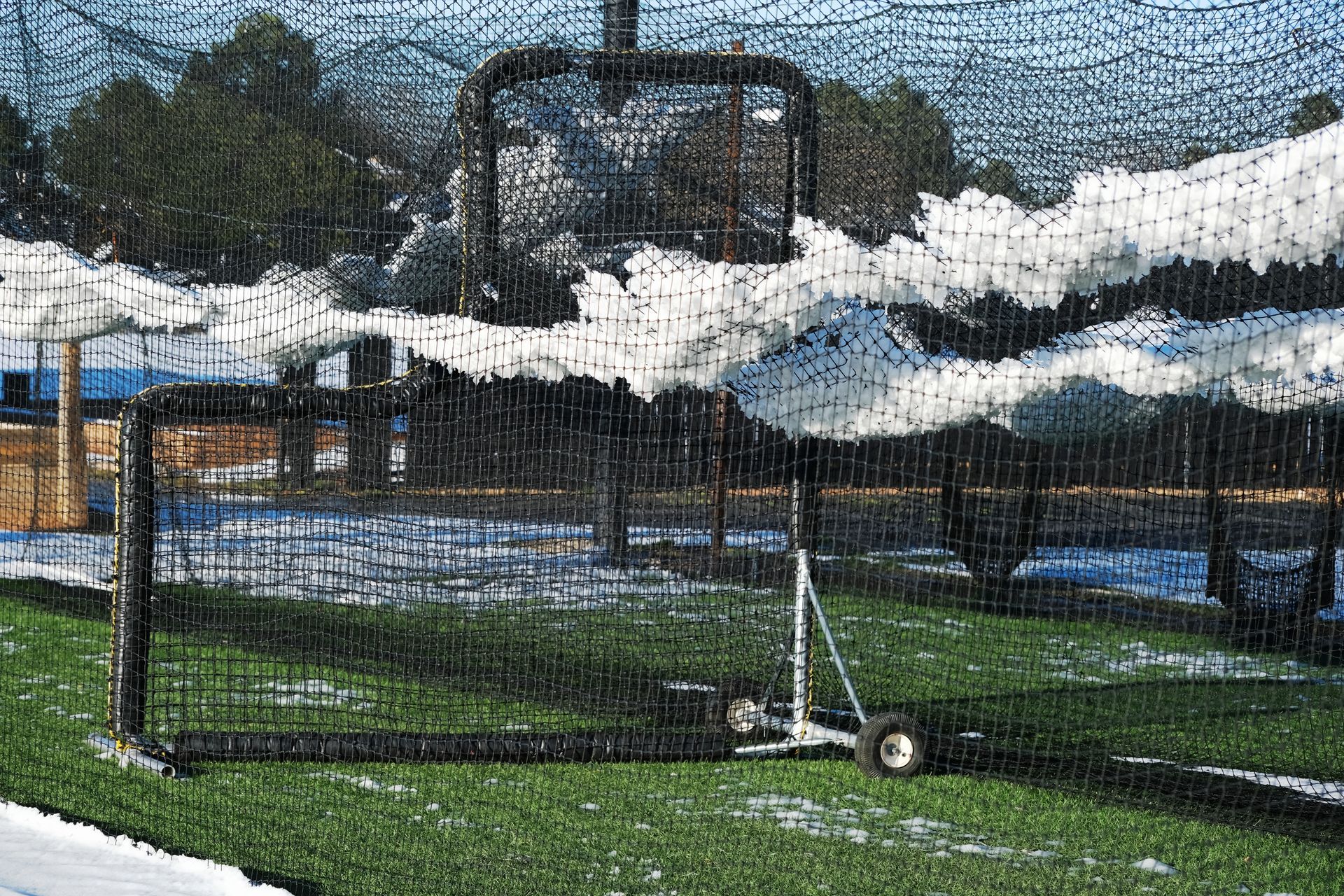
From firsthand experience working on Texas-based projects, improperly tensioned or low-grade netting is one of the most common causes of early system failure. Sagging nets reduce visibility, interfere with ball flight, and create safety hazards. Professionally engineered netting systems account for ceiling height, anchor points, and usage patterns to ensure consistent performance under daily wear.
For indoor baseball facility owners, coaches, and organizations across Texas, the quality of turf and netting directly impacts athlete safety, training consistency, and long-term operating costs. Whether you are planning a new indoor baseball facility or upgrading an existing space, working with specialists who understand baseball-specific performance requirements can help ensure your investment delivers lasting value.
Texas Sports Turf & Netting provides customized turf and netting solutions designed specifically for indoor baseball environments, with systems built to handle Texas conditions and year-round use. To explore options for your facility or discuss a tailored solution, connect with the Texas Sports Turf & Netting team to start planning a space that supports performance, safety, and growth.
How Turf and Netting Support Year-Round Player Development
One of the greatest advantages of indoor baseball facilities is the ability to train consistently regardless of external conditions. In Texas, where summer heat indexes regularly exceed safe outdoor training thresholds, indoor environments allow athletes to maintain conditioning and skill progression without interruption.
High-quality turf systems contribute directly to player development by providing consistent footing and ball behavior. Consistency is essential for skill acquisition. Studies in sports biomechanics published in the Journal of Strength and Conditioning Research show that athletes learn movement patterns more effectively when surface variability is minimized. Indoor baseball turf delivers that consistency, allowing players to focus on technique rather than compensating for uneven ground.
Netting systems enhance this benefit by enabling high-repetition training in confined spaces. Pitchers can throw full-intensity bullpen sessions without retrieval delays. Hitters can take hundreds of swings safely within batting cages. Coaches can run simultaneous drills without cross-interference. Over time, this repetition leads to measurable gains in performance metrics such as exit velocity, pitch accuracy, and reaction time.
Texas Sports Turf & Netting has observed that facilities investing in integrated turf and netting solutions tend to attract higher-level athletes and retain memberships longer. The reason is simple: athletes recognize quality when they train on it. A well-designed indoor baseball environment communicates professionalism, safety, and commitment to performance.
Maintenance, Longevity, and Return on Investment for Texas Facilities
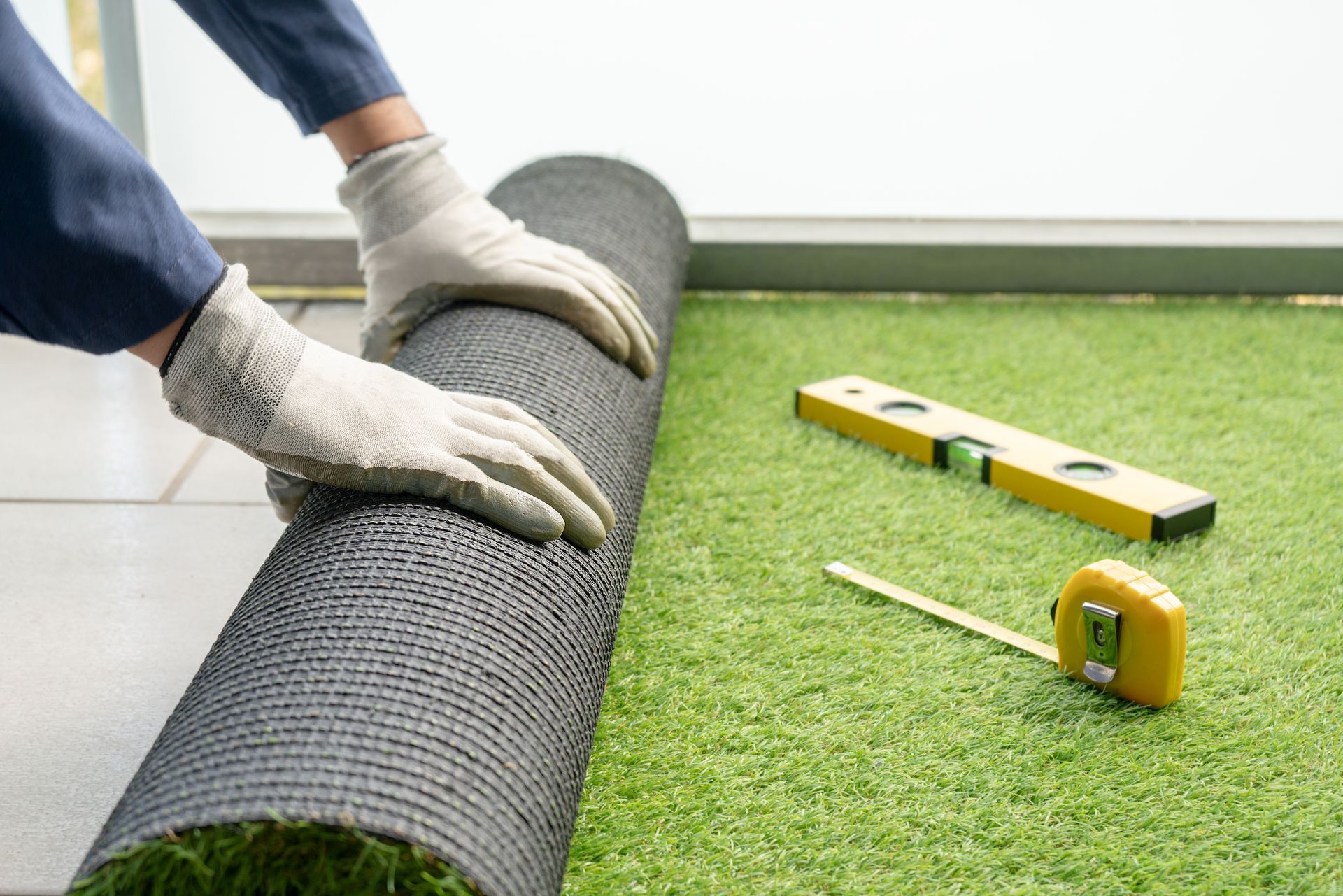
From a business perspective, turf and netting are long-term investments that directly affect operational costs. High-quality baseball turf installation reduces ongoing maintenance requirements compared to traditional flooring. There is no mowing, watering, or repainting, and modern turf systems are designed to resist matting and fiber breakdown under heavy use.
Netting systems, when properly specified and installed, can last several years even in high-volume Texas facilities. According to industry data from the Synthetic Turf Council, professionally installed sports turf systems typically maintain performance standards for 8–10 years with routine care. Netting systems vary by material and usage but often exceed 5 years before requiring partial replacement.
Facilities that cut corners on initial installation often face higher costs over time due to premature wear, safety incidents, and member dissatisfaction. In contrast, investing in professionally designed turf and netting solutions improves reliability, reduces downtime, and supports scalable growth. For Texas indoor baseball facilities competing in crowded markets, this reliability becomes a key differentiator.
Frequently Asked Questions About Indoor Baseball Turf and Netting
What type of turf is best for indoor baseball facilities in Texas?
Low-pile, high-density synthetic turf designed specifically for baseball training is best. It provides consistent ball response, proper traction, and joint protection.
How long does batting cage turf typically last?
With proper installation and maintenance, batting cage turf can last 8 to 10 years in most indoor facilities, depending on usage volume.
Is indoor baseball netting different from outdoor netting?
Yes. Indoor netting is engineered for confined spaces, higher repetition impacts, and controlled rebound, making it structurally different from outdoor field netting.
Can turf and netting systems be customized for small indoor spaces?
Absolutely. Custom layouts are common in Texas facilities where space efficiency is critical. Retractable netting and modular turf designs maximize flexibility.
How do turf and netting improve player safety?
Turf reduces joint stress and slip risk, while netting prevents ball ricochets and protects athletes and spectators from high-velocity impacts.


Batting Cage Maintenance Checklist for Schools and Facilities: Preparing for High-Usage Fall Seasons