Turf Specifications Texas Architects Need to Know
For architects and landscape designers in Texas planning athletic fields, public parks, or recreational complexes, specifying the correct synthetic turf system is essential to ensure compliance, performance, and long-term value. While turf aesthetics may appear similar across suppliers, the underlying specifications — from sub-base preparation to ADA accessibility — can significantly impact durability, safety, and regulatory approval.
At Texas Sports Turf & Netting, we’ve collaborated with architects and planners across Texas to develop and install high-performance turf systems that meet both code requirements and client expectations. Whether designing for a school district, municipal park, or private athletic facility, professionals must integrate key technical specs and regional standards into their planning process.
This article outlines the critical turf specifications Texas architects need to understand, including base construction, drainage, safety ratings, ADA compliance, and environmental considerations.
Base Construction and Site Preparation
The foundation of a high-performance turf field starts with sub-base engineering. Soil conditions vary greatly across Texas — from sandy soils in West Texas to expansive clay in Central regions — and base prep must account for drainage, compaction, and long-term field stability.
Recommended base specifications:
- Excavation Depth: Typically 5–7 inches, depending on local soil type
- Geotextile Fabric: Used to prevent mixing of subgrade and base aggregate
- Compacted Aggregate Base: 4–6 inches of crushed stone or decomposed granite compacted to 95% Proctor density
- Laser Grading: Field laser-leveled to ±¼ inch over a 10-foot radius to ensure a consistent surface
Architects should specify site-specific geotechnical testing before finalizing turf base design, especially for fields located in flood-prone or high-expansion soil zones.
Drainage Systems
In Texas, turf fields must be designed to handle heavy rainfall and sudden storms. Synthetic systems depend on engineered drainage for playability and surface longevity.
Standard drainage design includes:
- Perforated Drain Tile: Installed laterally every 10–15 feet
- Cross Slope: Minimum 0.5% surface slope for water shedding
- Vertical Drainage Layers: Turf backing with perforations to allow water to move vertically into the base
- Outfall or Collection Point: Discharge system for collected water, typically connected to municipal stormwater systems
Texas Sports Turf & Netting recommends drainage designs capable of handling 15–20 inches/hour infiltration, which aligns with rainfall intensities observed in coastal and central Texas regions.
ADA Accessibility and Surface Compliance
Synthetic turf systems must meet federal and state-level ADA guidelines, particularly when installed in public spaces, parks, or schools.
Key compliance points include:
- Firmness and Stability: Turf system should be ASTM F1951 certified to allow wheelchair and mobility device access
- Accessible Routes: Connect turf play or activity areas to surrounding pedestrian pathways with minimal surface transition
- Pile Height & Infill Considerations: Avoid turf systems with long, loose pile that impedes rolling resistance
- Edge Treatment: Flush transitions or ramped thresholds are required to prevent trip hazards
Turf systems for playgrounds or multipurpose fields should also comply with ASTM F1292 for impact attenuation, ensuring safe use in recreation areas used by children or individuals with disabilities.
Turf System Specifications: Materials and Performance
Design teams must specify performance-driven turf materials that align with the intended athletic use — whether for multi-sport fields, football, soccer, or low-impact recreation.
Common specification elements include:
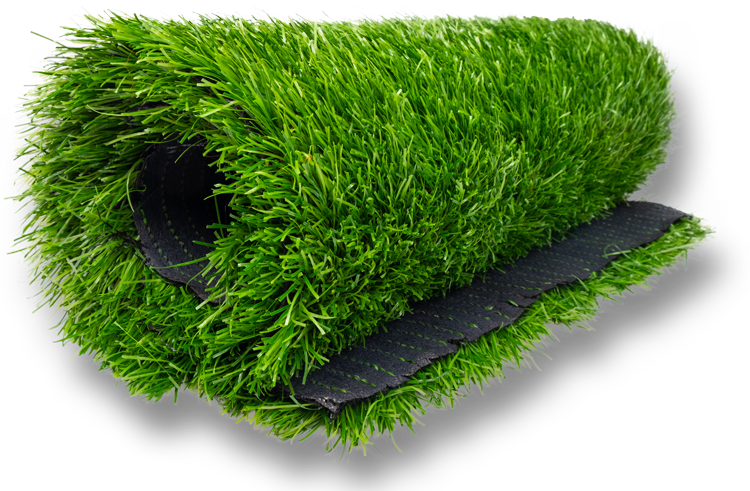
- Pile Height: Ranges from 1.5 to 2.5 inches for athletic fields; ¾ to 1 inch for training and indoor spaces
- Fiber Type: Monofilament (for realistic aesthetics and playability) or slit-film (for high wear resistance)
- Infill: Mix of silica sand, rubber, or organic materials; custom blends selected based on sport, climate, and maintenance goals
- Backing: Polyurethane or latex with a minimum perforation rate of 30 gallons/min/sq yd for drainage
- Shock Pad (Optional): Included for added safety and compliance with GMAX/HIC ratings
Projects requiring FIFA Quality, World Rugby, or NFHS standards must reference each governing body’s field testing protocols and surfacing benchmarks during design and post-install inspection.
Heat Mitigation and Surface Temperature
Surface temperature is a critical factor in Texas, where turf fields can exceed 150°F during the summer months.
Specifications to reduce heat retention include:
- Heat-Reflective Fibers: Some turf yarns include infrared-reflective pigments to reduce solar absorption
- Organic Infill Blends: Cork or coconut infill options that retain less heat than traditional rubber
- Misting Systems or Shade Structures: Optional additions for high-use recreational areas
For school districts or parks in South and Central Texas, including a heat mitigation strategy in the specifications can significantly improve field safety during peak usage periods.
Environmental and Stormwater Compliance
Municipal projects must consider local stormwater ordinances and environmental impact requirements, particularly in regions regulated under MS4 (Municipal Separate Storm Sewer System) programs.
Spec-driven architects should:
- Include
drainage runoff calculations
- Reference turf system
recyclability and end-of-life plans
- Choose
lead-free, heavy-metal-free materials
- Identify
reduced heat island impact in LEED or Envision documentation, if applicable
Some turf systems may contribute to LEED credits in categories such as Sustainable Sites (SS), Water Efficiency (WE), and Materials & Resources (MR).
Warranty and Specification Documentation
To ensure accountability during bidding and construction, architects should:
- Specify a
minimum 8-year warranty on turf products and installation
- Request
manufacturer specification sheets and performance test results (e.g., GMAX, permeability, tensile strength)
- Identify
maintenance guidelines in post-installation manuals
- Require
third-party field testing prior to project turnover
Texas Sports Turf & Netting provides architects with CSI-format turf specifications, performance testing documentation, and custom site drawings to support bid package accuracy.
Supporting Field Longevity and Performance Through Design
Selecting the right turf specifications upfront allows architects to design athletic and recreational facilities that meet user needs, minimize maintenance, and comply with regulatory requirements. Whether specifying for a competitive high school field or a multi-use urban park, synthetic turf delivers long-term benefits — but only when engineered to suit Texas conditions.
For project teams requiring performance-tested, code-compliant turf systems, Texas Sports Turf & Netting offers expert guidance throughout the design process — from schematic planning to post-install inspection.


Batting Cage Maintenance Checklist for Schools and Facilities: Preparing for High-Usage Fall Seasons