Why More Texas Facilities Are Investing in Batting Cage Installations
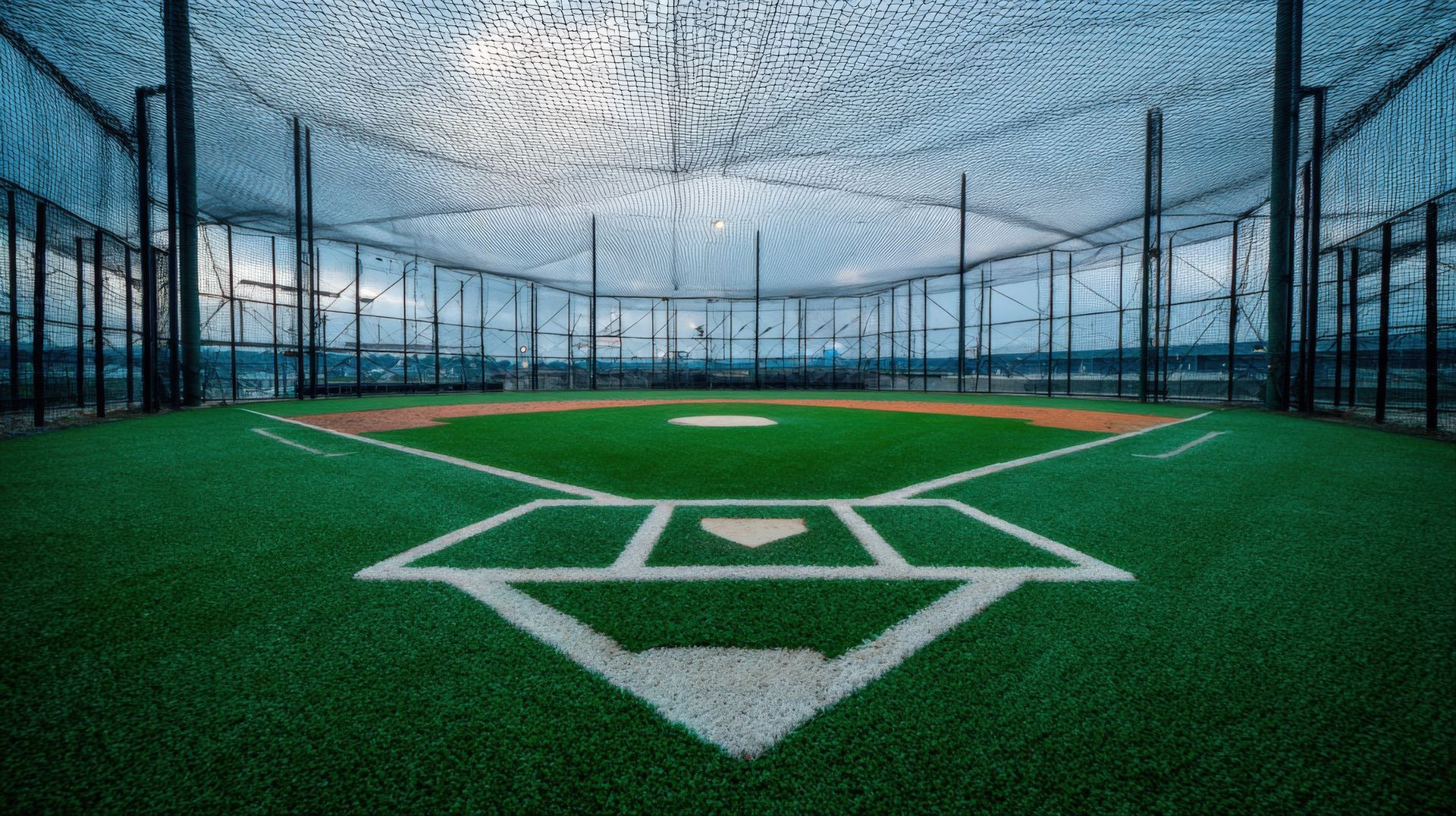
Why demand for batting cages is reshaping training facilities, and why Texas Sports Turf & Netting is expanding services
Batting cage installations have moved from being a “nice-to-have” feature to a core requirement for baseball training facilities across Texas. As player development expectations rise and year-round training becomes the norm, more organizations are investing in indoor and hybrid batting cage systems that allow athletes to train consistently, safely, and efficiently. Texas Sports Turf & Netting has seen this shift firsthand while working with schools, private academies, indoor sports complexes, and municipal facilities throughout the state.
Texas is uniquely positioned in this trend. The state has one of the largest youth baseball populations in the country, along with strong high school, collegiate, and private training ecosystems. Add in extreme summer heat, unpredictable storms, and scheduling pressures, and the need for controlled training environments becomes obvious. Batting cage installation is no longer limited to elite academies; it is becoming standard infrastructure for baseball training facilities that want to remain competitive, attract athletes, and maximize space utilization.
This article explores why more Texas facilities are investing in batting cages, how demand is reshaping baseball training environments, and why Texas Sports Turf & Netting is expanding its batting cage installation services to meet this growing need.
Why Batting Cage Installation Is Becoming Essential for Texas Baseball Facilities
Batting cages address one of the most consistent challenges in baseball development: repetition. Hitting is a skill that improves through volume and consistency, and outdoor fields do not always allow for either. Weather delays, field availability, and safety concerns often limit the number of quality swings athletes can take in traditional settings.
Indoor batting cages solve this problem by creating controlled environments where hitters can train regardless of external conditions. In Texas, where summer heat indexes can exceed safe outdoor training thresholds, and storms can disrupt schedules with little notice, indoor batting cages provide reliability. According to participation data from the Sports & Fitness Industry Association, baseball training has increasingly shifted toward indoor facilities, with batting cages ranking among the most in-demand features for both youth and adult athletes.
Batting cage installation also allows facilities to serve multiple athletes simultaneously. Instead of sharing a single field or rotating through limited tee work, facilities can run parallel hitting sessions, private lessons, and team practices within the same footprint. This efficiency directly impacts revenue potential and scheduling flexibility for baseball training facilities.
For schools and community organizations, batting cages offer long-term value. They reduce wear on outdoor fields, extend practice seasons, and create safer training environments. For private facilities, they are a key differentiator in competitive markets where athletes and parents expect professional-grade amenities.
How Batting Cages Are Reshaping Baseball Training Facilities
The rise in batting cage demand has influenced how modern baseball training facilities are designed. Instead of large, single-purpose spaces, facilities are now built around modular layouts that incorporate multiple cages, retractable netting, and multi-surface turf systems.
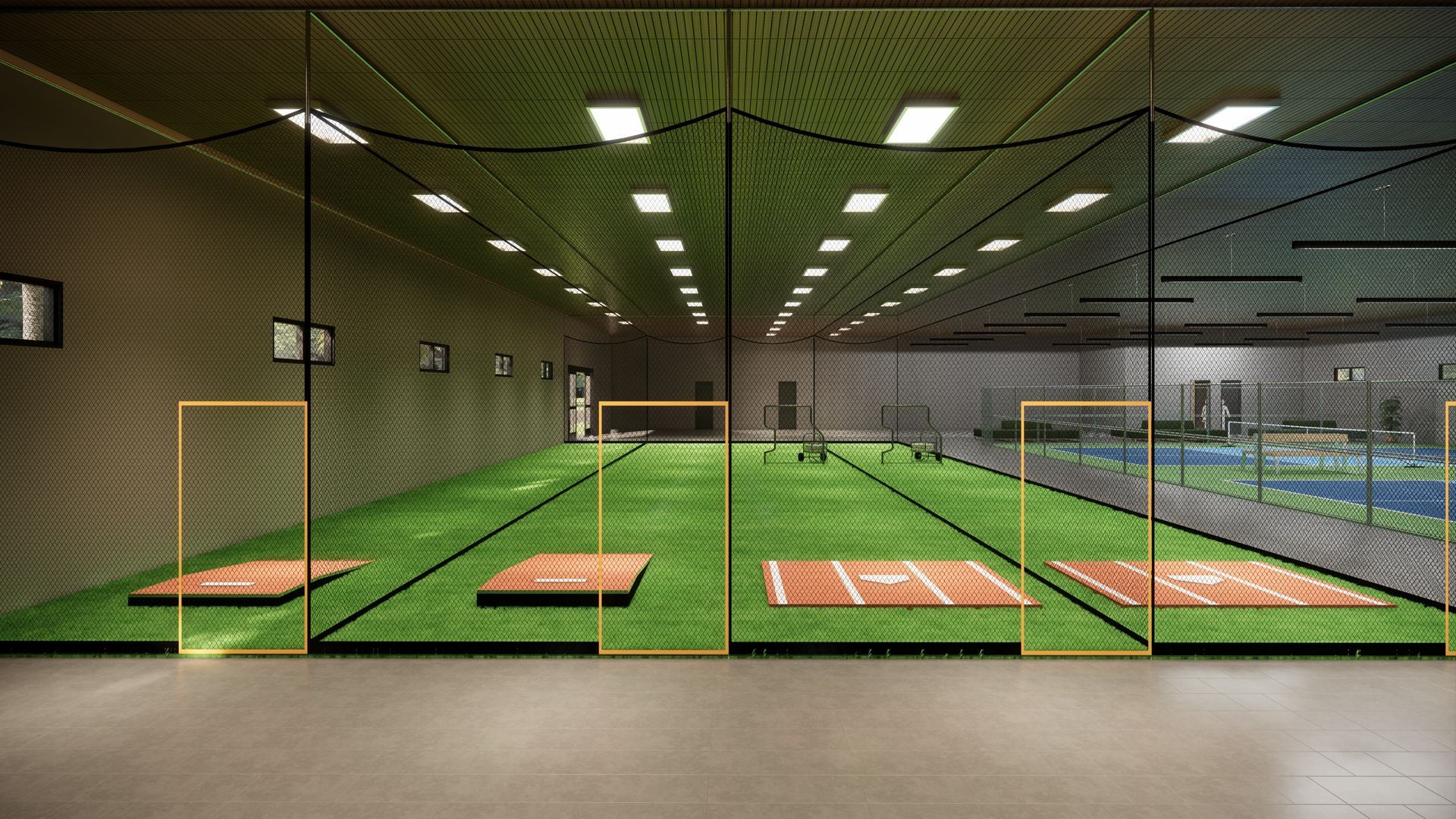
Indoor batting cages are no longer limited to simple net-and-frame setups. Today’s installations often include custom turf, integrated pitching machines, video analysis zones, and adjustable cage lengths. This allows facilities to accommodate different age groups, skill levels, and training objectives within the same space.
From a coaching perspective, batting cages improve instructional quality. Coaches can observe swings from multiple angles, provide immediate feedback, and run high-repetition drills without constant ball retrieval. Pitchers benefit as well, using cages for bullpen sessions and live arm work in a controlled environment.
Texas Sports Turf & Netting has observed that facilities investing in professional batting cage installation tend to expand programming shortly after. Once cages are installed, facilities often add private lessons, camps, and offseason training packages. The batting cage becomes a hub for skill development rather than a standalone feature.
Another major shift is the integration of batting cages into multi-sport facilities. Many Texas sports complexes now serve baseball, softball, and general athletic training under one roof. Properly designed cages with durable turf and impact-rated netting allow these facilities to serve multiple sports without compromising safety or performance.
The Role of Turf and Netting in Modern Batting Cage Installations
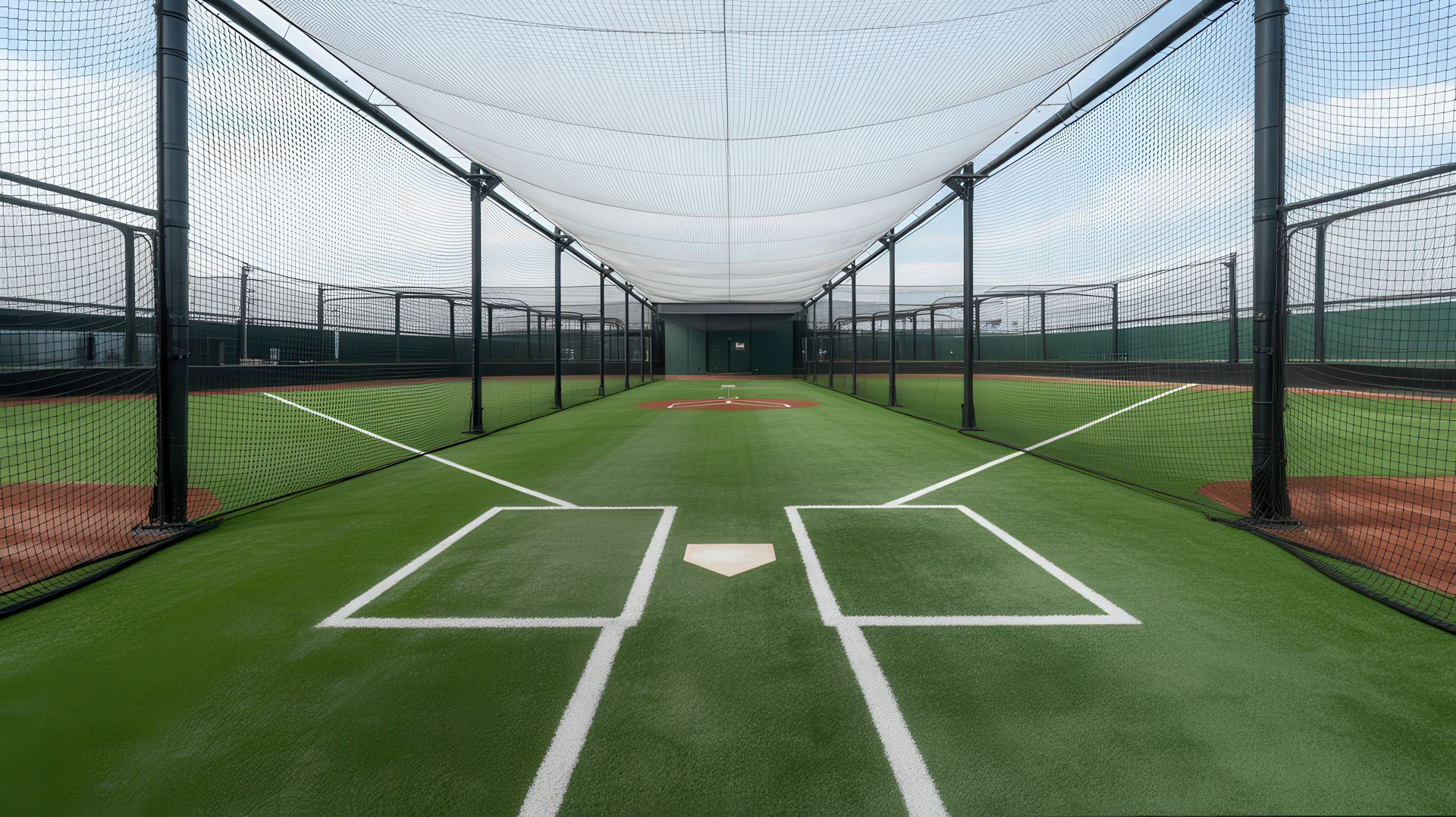
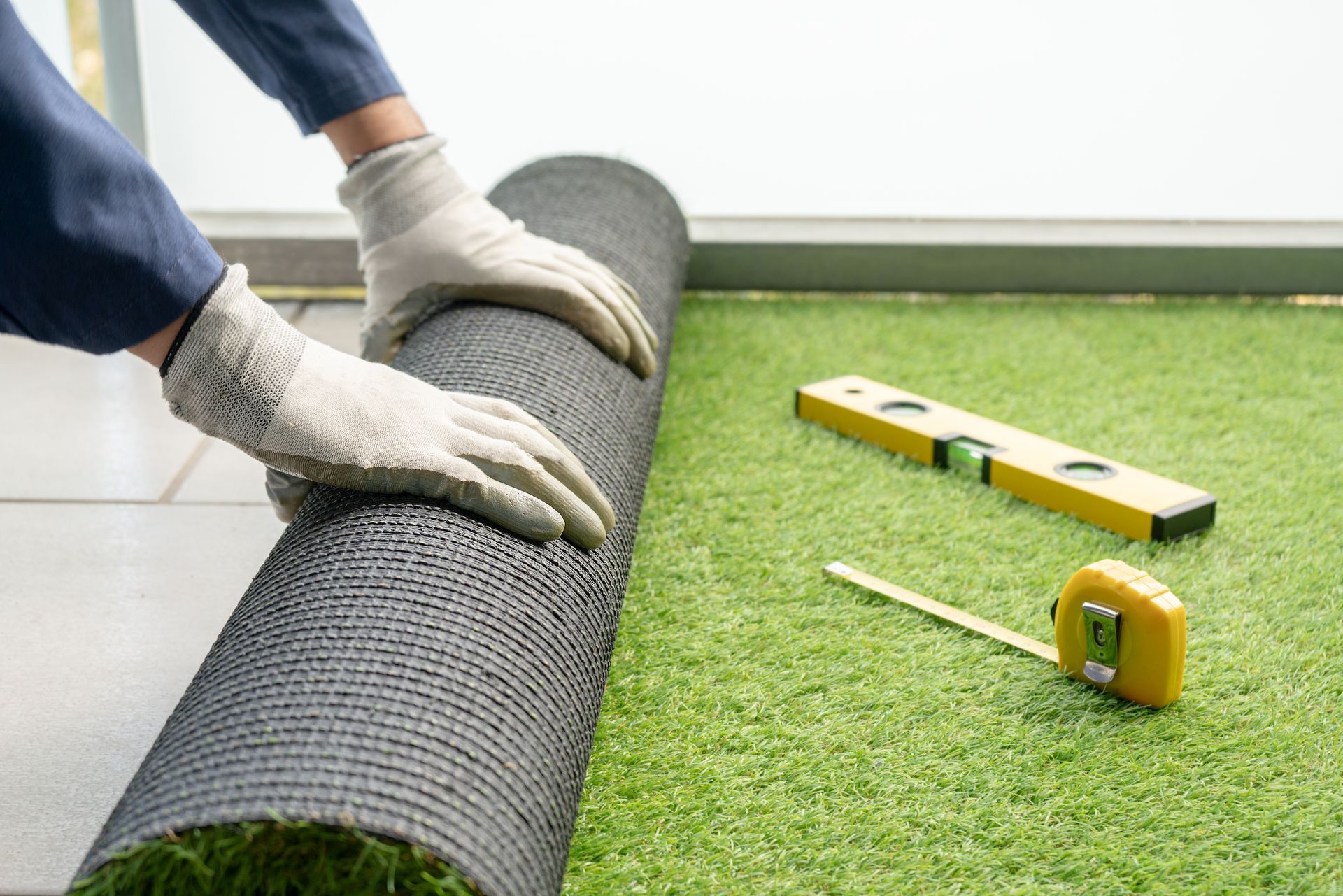
Batting cage performance is directly tied to the quality of turf and netting used in the installation. Generic flooring or low-grade turf can negatively affect footwork, swing mechanics, and joint health. Professional batting cage turf is engineered to provide consistent traction, controlled ball roll, and shock absorption that support repetitive training.
Research from the American Sports Builders Association shows that cushioned synthetic turf systems can reduce stress-related injuries compared to hard indoor surfaces. This is especially important in batting cages, where hitters take hundreds of swings per session, and pitchers repeat high-stress throwing motions.
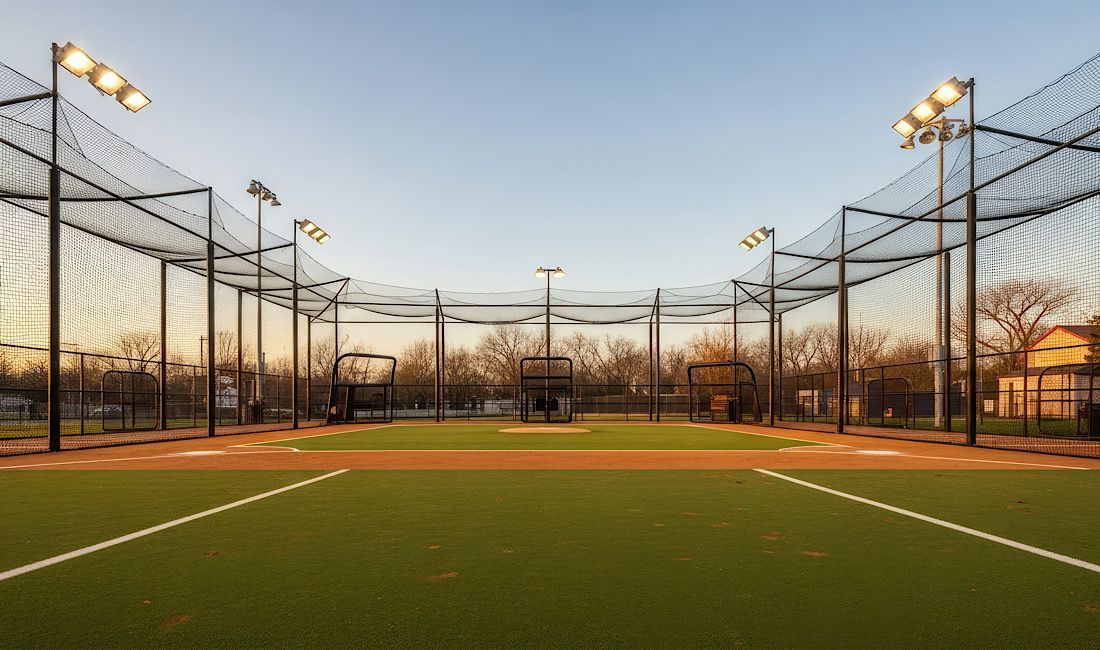
Netting is equally critical. Indoor batting cages must contain high-velocity impacts while minimizing rebound. According to ASTM International safety standards, properly rated sports netting significantly reduces ricochet risk, which is one of the leading causes of injury in confined training spaces.
Texas Sports Turf & Netting emphasizes proper net tension, anchor placement, and material selection during batting cage installation. Poorly installed netting can sag, interfere with ball flight, and wear prematurely. Professionally engineered systems account for ceiling height, cage length, and usage patterns to ensure consistent performance and longevity.
Why Demand Is Driving Expansion at Texas Sports Turf & Netting
As batting cage installations become central to baseball training facilities, demand for specialized installation expertise has increased. Texas Sports Turf & Netting has expanded its services in response to this shift, focusing on custom batting cage solutions designed specifically for Texas facilities and usage conditions.
One key reason for this expansion is the complexity of modern batting cage projects. Facilities are no longer installing off-the-shelf cages. They require tailored solutions that integrate turf, netting, lighting, and structural considerations into a cohesive system.
Texas Sports Turf & Netting’s experience working across the state provides insight into these challenges. Urban facilities often need retractable cages to maximize limited square footage, while suburban and rural facilities may prioritize durability and multi-cage layouts for team use. Climate considerations, particularly heat and humidity, also influence material selection and installation methods.
By expanding batting cage installation services, Texas Sports Turf & Netting is positioned to support facilities at every stage, from new construction to retrofits and upgrades. This approach aligns with the broader trend toward long-term infrastructure investment rather than short-term solutions.
Maintenance, Longevity, and Return on Investment
Batting cages represent a significant investment, but when designed and installed correctly, they offer strong long-term returns. High-quality turf and netting systems require minimal routine maintenance and are built to withstand daily use.
According to data from the Synthetic Turf Council, professionally installed sports turf systems often maintain performance standards for 8 to 10 years with proper care. Netting systems, depending on material and usage intensity, commonly last five years or more before requiring partial replacement.
Facilities that invest in professional batting cage installation typically see returns through increased programming, higher membership retention, and reduced liability risk. Poorly installed cages, on the other hand, often lead to higher maintenance costs, safety issues, and premature replacement.
For Texas baseball training facilities operating in competitive markets, reliability matters. Athletes and parents notice when cages are well-maintained, properly lit, and safe. That perception directly influences enrollment decisions and long-term facility reputation.
Frequently Asked Questions About Batting Cage Installation in Texas
What types of facilities benefit most from batting cage installation?
Baseball academies, indoor sports facilities, schools, and multi-sport complexes all benefit from batting cages, especially those offering year-round training.
Are indoor batting cages suitable for both baseball and softball?
Yes. With proper netting, turf, and layout, batting cages can safely accommodate both baseball and softball training.
How much space is needed for an indoor batting cage?
Cage length and width vary based on use, but professional installations can be customized for small or irregular spaces using retractable systems.
How long does a professional batting cage installation take?
Timelines vary by project scope, but most installations are completed within a few weeks once design and materials are finalized.
Do batting cages increase facility revenue?
In most cases, yes. Batting cages enable private lessons, camps, rentals, and offseason programs that generate additional income.


Batting Cage Maintenance Checklist for Schools and Facilities: Preparing for High-Usage Fall Seasons