Baseball Netting Installation in Texas: Preparing Facilities for a Safe and Successful Season
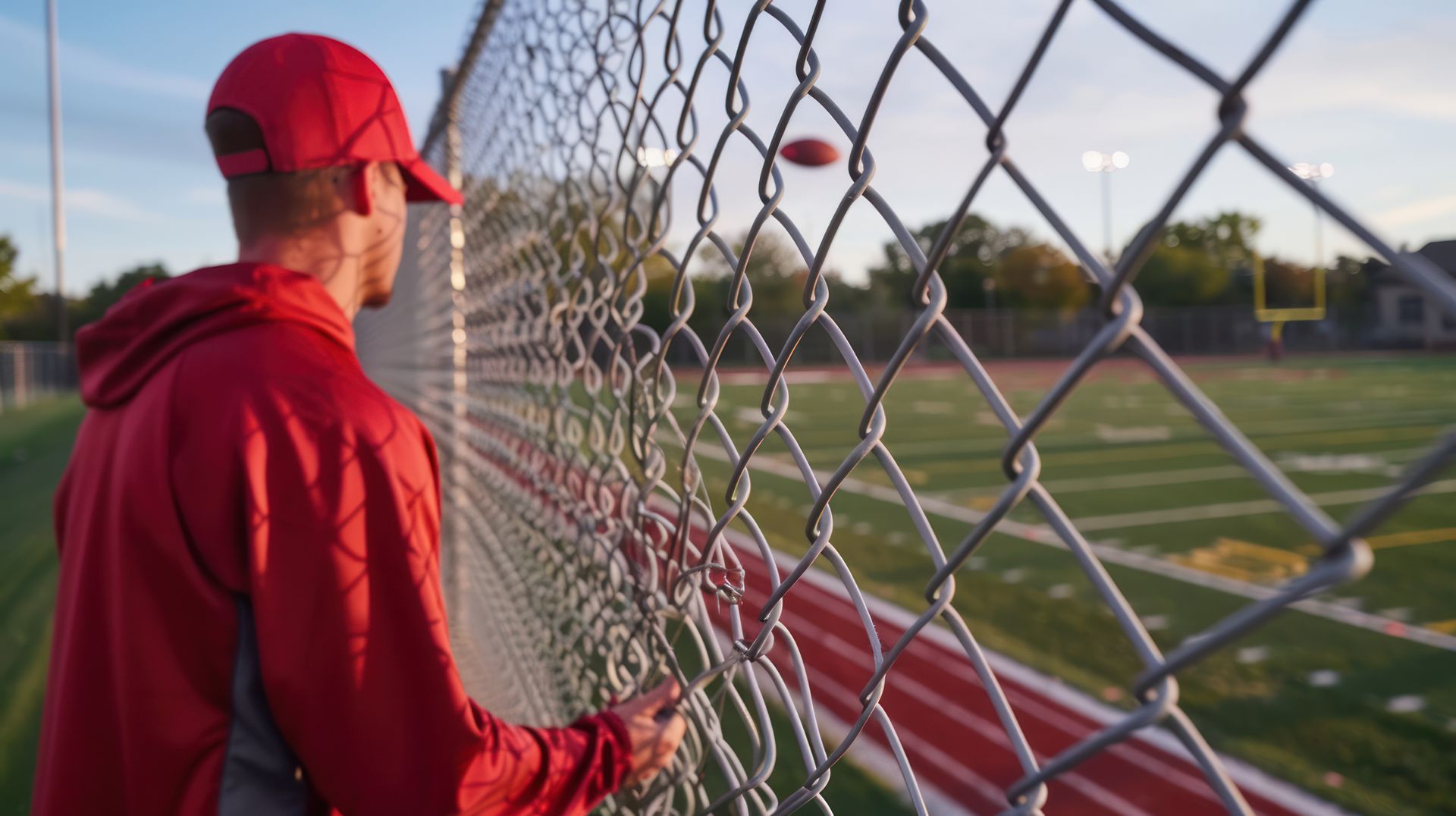
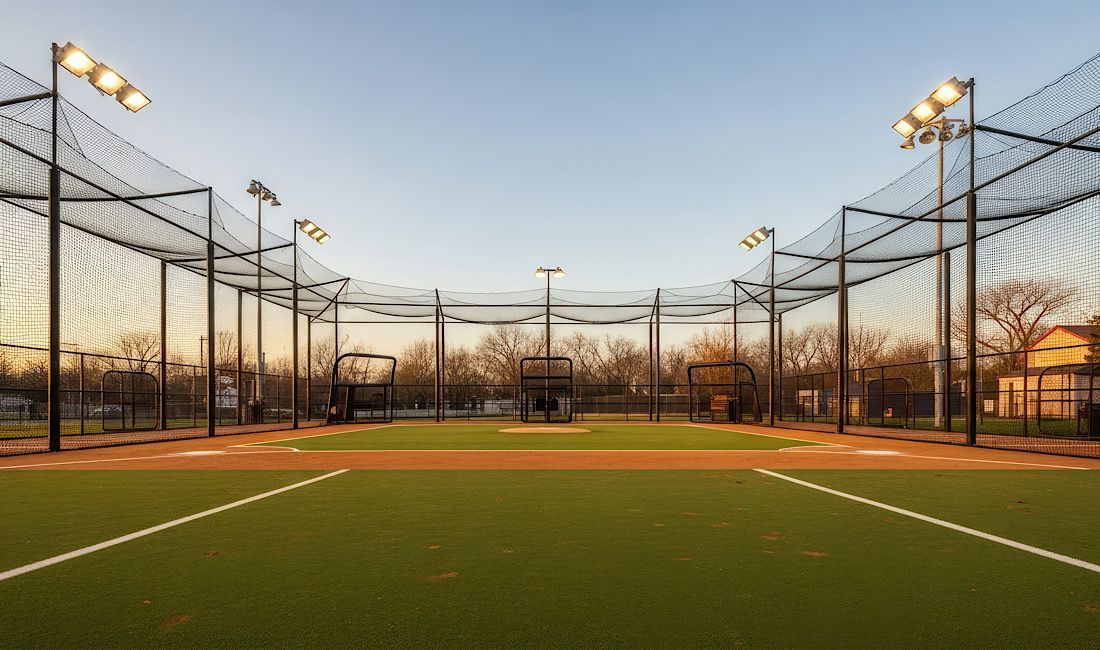
As baseball programs across the state prepare for another competitive year, Texas Sports Turf & Netting continues to see one consistent priority from schools, municipalities, training academies, and private facilities: safety without sacrificing performance. Baseball netting installation in Texas is no longer a last-minute upgrade—it is a foundational investment that protects athletes, spectators, and property while supporting consistent training conditions. From youth leagues to collegiate complexes, properly installed baseball and batting cage netting allows organizations to enter the season with confidence, knowing their fields and practice areas are ready for high-velocity play and Texas-specific environmental challenges.
Texas presents unique conditions for sports infrastructure. Extended seasons, intense sun exposure, high winds, and sudden storms all place stress on netting systems. Unlike cooler regions where fields may sit dormant for months, many Texas baseball facilities remain active nearly year-round. Professional installation ensures materials are tensioned correctly, anchored securely, and designed to last through repeated use. Based on firsthand experience working with facilities across Central, North, and South Texas, one recurring issue we encounter is aging or improperly installed netting that has become brittle from UV exposure or loosened from wind stress. Addressing these concerns before the season begins significantly reduces mid-season downtime and emergency repairs, which often cost more than proactive planning and scheduled upgrades.
Key preseason challenges Texas facilities commonly face include:
- UV-related netting degradation caused by year-round sun exposure
- Loose or improperly tensioned netting from wind stress
- Outdated systems that no longer meet current safety expectations
According to the National Federation of State High School Associations (NFHS), baseball participation continues to grow nationwide, with more than 480,000 high school athletes participating annually, many of them in warm-weather states like Texas. As participation increases, so does the responsibility to provide safe environments that meet modern standards. The American Society for Testing and Materials (ASTM) emphasizes that sports netting systems must be designed to withstand repeated ball impact and environmental wear to remain effective over time. Facilities that plan early and work with professional installers consistently report fewer safety incidents, reduced liability exposure, and smoother seasonal operations.
Why Professional Baseball Netting Installation Matters in Texas
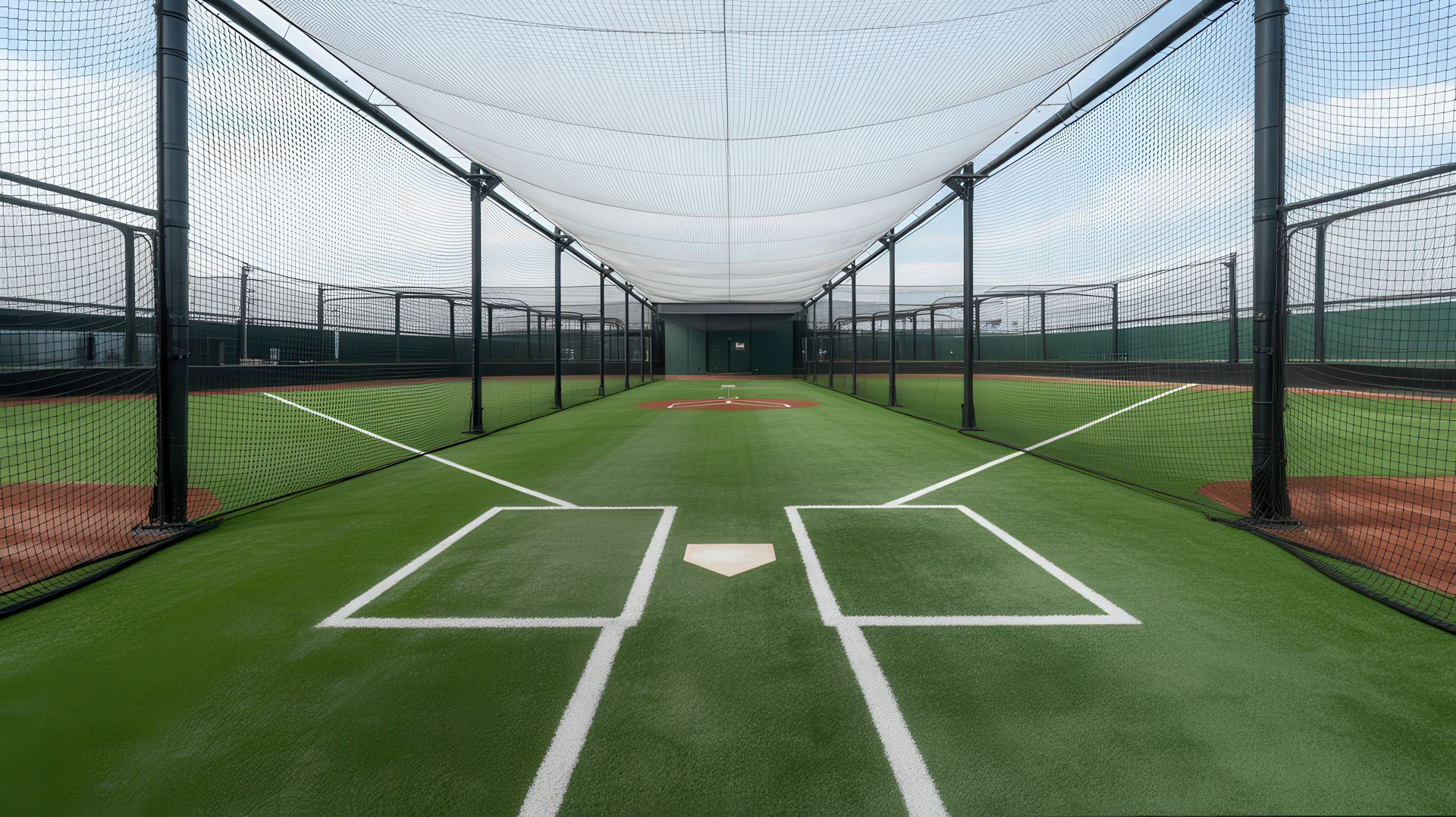
Professional baseball netting installation is not simply about hanging mesh behind home plate. It is an engineered solution that accounts for ball exit velocity, player proximity, wind load, and long-term durability. In Texas, where outdoor fields may be used year-round, improperly selected or installed netting can fail prematurely, creating both safety risks and operational disruptions. One athletic director we worked with shared that replacing a DIY-installed backstop twice in three years ultimately cost more than investing in a professionally engineered system from the start.
High-quality sports netting Texas facilities rely on is typically constructed from UV-stabilized polyethylene or nylon, designed to resist degradation from sunlight and moisture. Professional installers evaluate the specific use case—game play, batting practice, or training drills—and select netting with appropriate mesh size and tensile strength. For example, batting cage netting requires tighter mesh and higher impact resistance than perimeter or spectator-protection netting, which must span larger areas while maintaining consistent tension.
Professional installation delivers several critical benefits:
- Reduced risk of ball escape into spectator or player areas
- Longer service life compared to non-engineered installations
- Improved visual consistency and field presentation
Safety data reinforces the importance of these decisions. A study published in the Journal of Sports Safety noted that a significant percentage of spectator injuries at amateur baseball events were caused by foul balls entering unprotected seating areas. The report stated that “properly designed and installed netting systems dramatically reduce the risk of serious injury without negatively affecting the viewing experience.” This aligns with Major League Baseball’s netting expansion initiatives, which have since become standard across professional parks and are increasingly influencing expectations at the amateur level.
Beyond safety, professional installation also improves aesthetics and functionality. Clean lines, consistent tension, and secure anchoring contribute to a professional appearance that reflects well on the organization. For schools and municipalities, this attention to detail can influence community perception, athlete recruitment, and eligibility for hosting tournaments or regional events that generate revenue.
Batting Cage Netting: A Cornerstone of Player Development
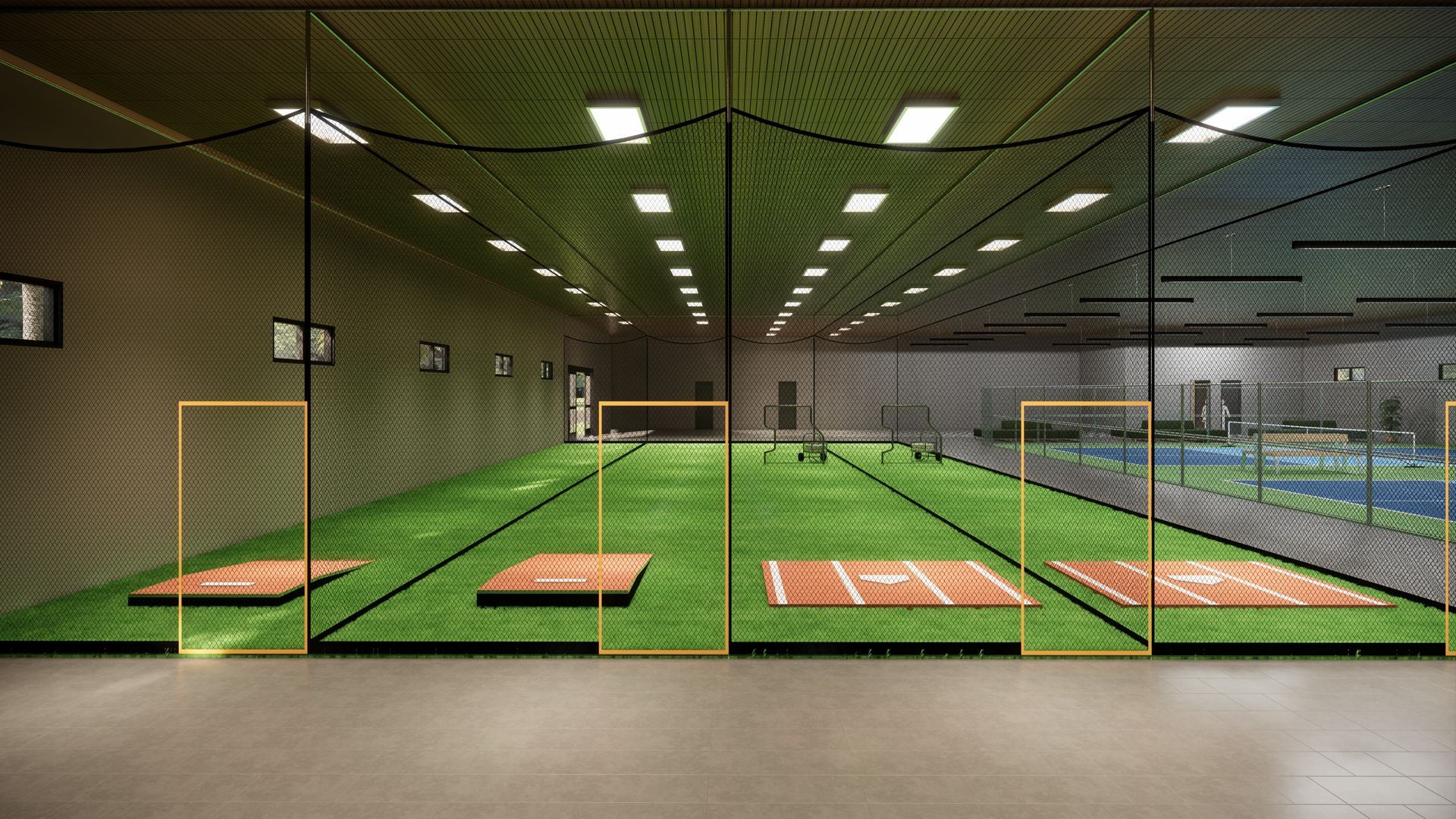
Batting cage netting plays a critical role in player preparation, particularly in Texas, where teams often train outdoors for most of the year. Well-designed batting cages allow hitters to take hundreds of swings safely, pitchers to throw at full velocity, and coaches to focus on mechanics without constant interruptions. From our field experience, facilities that invest in regulation-grade batting cage netting consistently see improved practice efficiency, fewer safety concerns, and reduced damage to surrounding equipment and structures.
Batting cage netting must withstand repeated high-speed impacts, often exceeding 90 miles per hour at advanced levels.
Professional installers account for cage dimensions, frame materials, and surrounding clearance to ensure balls remain contained while netting maintains its shape throughout the season. Improperly tensioned cages can sag, leading to unpredictable ball rebounds and increased wear on the net itself, which shortens its usable lifespan.
Common features of professionally installed batting cage netting include:
- Reinforced edges and attachment points
- Netting rated for high-impact repetition
- Configurations designed for both individual and team use
Statistics from USA Baseball highlight that repetition is key to skill development, with elite youth and high school players often taking thousands of swings per season. Without durable batting cage netting, facilities risk frequent repairs that interrupt training schedules and reduce overall player development time. As one Texas-based academy owner noted, “Once we upgraded to professionally installed cages, we stopped worrying about net failures and focused entirely on developing our athletes.”
Texas weather further reinforces the need for professional solutions. Sudden gusts and summer storms can place extreme stress on cage frames and net attachment points. Installers experienced in sports netting in Texas environments understand how to reinforce anchor systems, accommodate wind load, and select netting that balances flexibility with strength.
Preparing for Texas Weather and Long-Term Durability
One of the most overlooked aspects of baseball netting installation in Texas is environmental planning. Prolonged UV exposure can weaken lower-grade netting within a few seasons, leading to fraying, discoloration, and loss of tensile strength. Heat expansion, wind load, and moisture from rain or humidity all contribute to material fatigue over time. Professional installers mitigate these risks by using UV-treated netting, corrosion-resistant hardware, and installation techniques that allow controlled movement without excessive strain on anchor points.
The Texas A&M AgriLife Extension has published research noting that untreated synthetic materials can lose significant strength within two to three years under constant sun exposure. In contrast, UV-stabilized netting can last five to ten years or more, depending on usage patterns and maintenance. This difference directly impacts the total cost of ownership, long-term safety, and budget predictability for facility managers.
Facilities that plan netting upgrades before the season benefit from predictable timelines and reduced disruption. Emergency replacements during peak season often require temporary closures or compromised setups that limit field availability. From firsthand observation, preseason installations also allow for thorough inspections of poles, cables, and anchoring systems, ensuring the entire structure functions as intended before competitive play begins.
Professional installers also provide guidance on maintenance, including routine inspections, tension adjustments, and proper storage for retractable systems. This proactive approach aligns with best practices recommended by the Sports Turf Managers Association, which emphasizes preventive maintenance as a key factor in extending the lifespan of sports infrastructure and reducing long-term repair costs.
Choosing the Right Sports Netting Partner in Texas
Selecting the right provider for sports netting in Texas facilities involves more than comparing prices. Experience, material quality, engineering knowledge, and understanding of local conditions all matter. A professional partner evaluates field layout, usage frequency, player age groups, and safety requirements before recommending a solution. They also ensure compliance with relevant standards, including ASTM and NFHS guidelines, helping facilities reduce liability exposure.
Texas Sports Turf & Netting approaches each project with a consultative mindset, drawing on years of experience installing netting systems across diverse environments—from small community fields to large multi-field complexes. This experience translates into practical recommendations that balance safety, durability, and budget considerations while accounting for Texas-specific climate demands.
Facilities that work with experienced installers often report higher satisfaction and fewer long-term issues. As one municipal parks director shared, “The difference was immediate. The installation was clean, the netting performed exactly as promised, and we haven’t had a single safety complaint since.”
If your organization is preparing for the upcoming season, now is the ideal time to evaluate existing netting systems and address any gaps. Proactive planning not only enhances safety but also demonstrates a commitment to athletes, spectators, and the broader community while positioning your facility for long-term success.
Frequently Asked Questions About Baseball Netting Installation in Texas
How long does professional baseball netting installation typically take?
Most standard installations can be completed in one to three days, depending on field size, netting type, and weather conditions.
How often should baseball netting be replaced in Texas?
With UV-stabilized materials and proper maintenance, high-quality netting can last five to ten years. Heavy-use areas may require earlier replacement.
Is batting cage netting different from backstop netting?
Yes. Batting cage netting is designed for higher impact frequency and often uses tighter mesh and stronger materials than perimeter netting.
Does professional installation really improve safety?
Yes. Proper tensioning, anchoring, and material selection significantly reduce the risk of net failure and ball escape.
Can netting systems be customized for unique field layouts?
Absolutely. Professional installers routinely design custom solutions for irregular spaces, indoor facilities, and multi-use fields.
Facilities that take safety and performance seriously do not leave netting decisions to chance. Partnering with an experienced provider ensures your baseball fields and training areas are ready for the demands of a full Texas season. Reaching out to a trusted local expert allows you to assess your current setup and put a durable, professional solution in place before the first pitch is thrown.


Batting Cage Maintenance Checklist for Schools and Facilities: Preparing for High-Usage Fall Seasons