Gym Retractable Batting Cages: Planning, Safety, and Installation for Schools

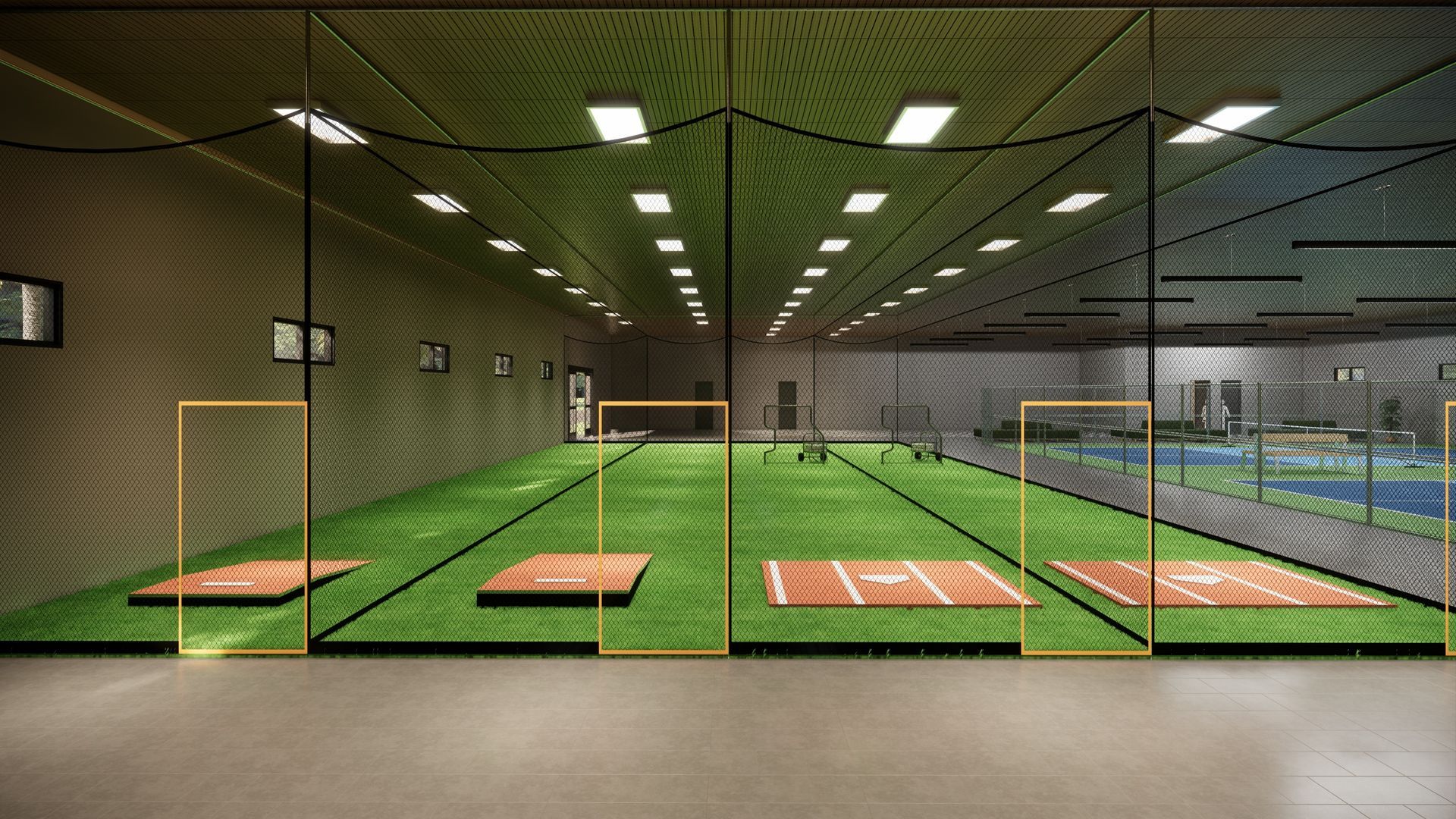
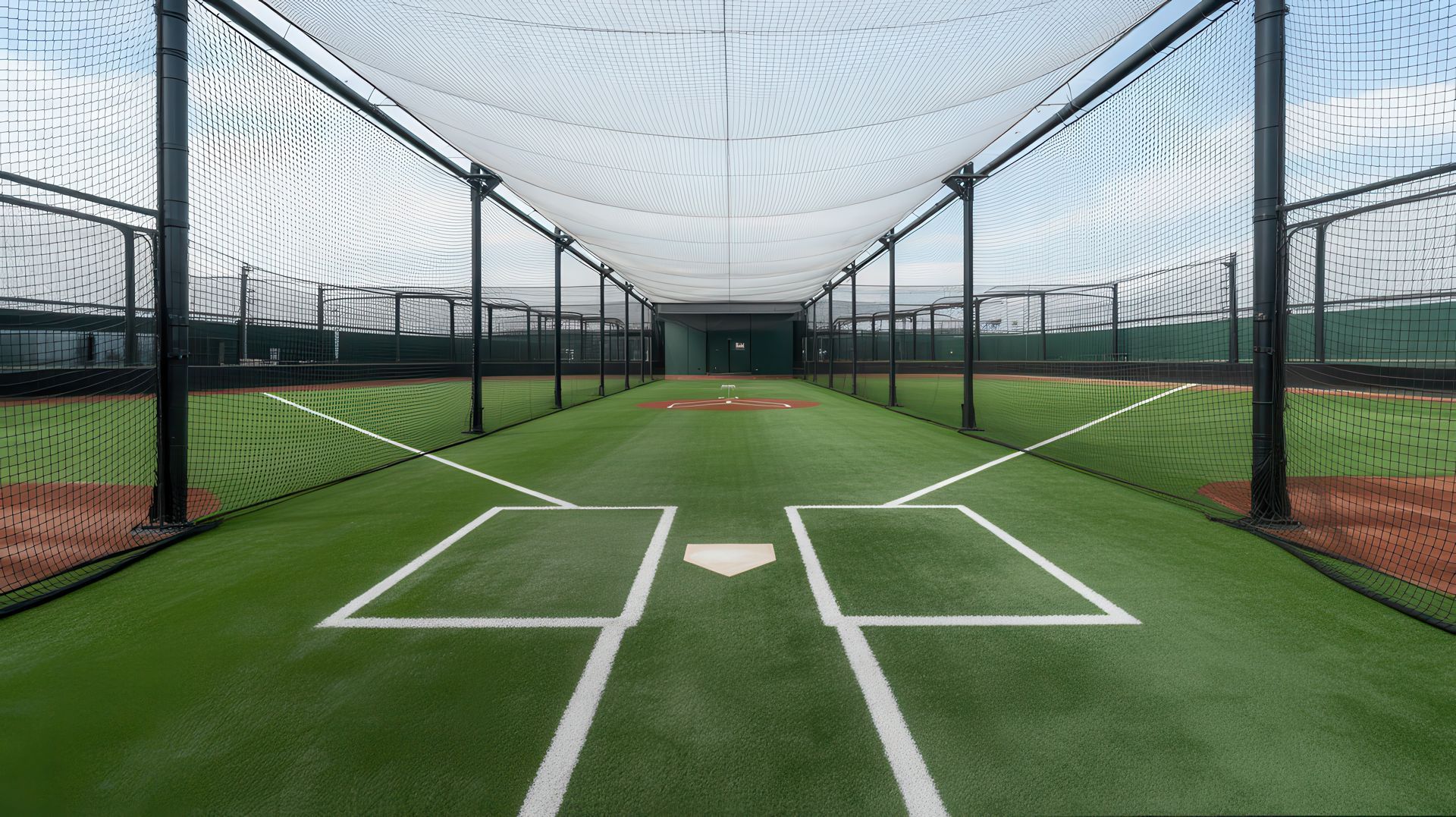
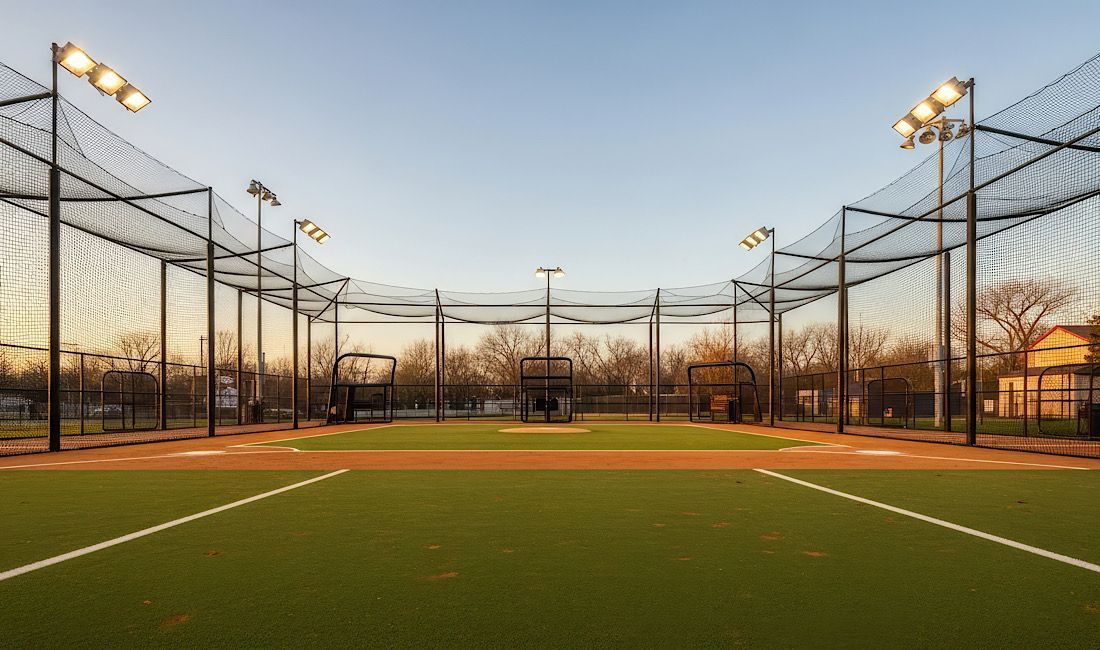
A gymnasium is one of the most versatile spaces in a school building, and it is also one of the most contested. Physical education classes, basketball practice, volleyball matches, assemblies, and indoor athletic events all compete for the same floor space throughout the school day and into the evening. When a baseball or softball program needs indoor batting cage access, adding a permanent ground-level cage to a gymnasium is rarely an option that school administrators can approve without eliminating uses the space cannot afford to lose. A gym retractable batting cage is the solution that allows schools to serve their baseball and softball programs without permanently compromising the other activities the gymnasium supports. When Texas Sports Turf & Netting works with Texas schools on gym batting cage projects, the retractable conversation is almost always the right one, and getting it right requires planning that goes well beyond simply ordering the equipment.
This guide addresses the planning, safety, and installation considerations specific to gym retractable batting cage installations, with the detail that school facility managers, athletic directors, and administrators need to make informed decisions and avoid the costly mistakes that inadequate planning produces.
Understanding the Gym Environment as a Batting Cage Setting
A gymnasium presents a specific set of constraints and considerations that distinguish gym retractable batting cage planning from general indoor facility planning. Understanding these constraints before the system is specified prevents the conflicts and compromises that arise when equipment is selected without full awareness of the environment it will operate in.
Gymnasium ceiling systems typically include basketball backboards and goals on retractable mechanisms of their own, overhead scoreboard systems, divider curtain tracks and hardware, lighting systems designed for the full gymnasium floor, and HVAC diffusers positioned for general gymnasium air distribution. Each of these ceiling-mounted systems occupies space at the ceiling level that must be accounted for in the retractable batting cage support structure layout and cage travel path.
The batting cage support structure must be routed to avoid conflicts with basketball backboard mechanisms, which retract toward the ceiling on their own tracks when not in use. A batting cage support structure that conflicts with a basketball backboard mechanism in either the backboard's deployed or retracted position creates an operational conflict that affects both systems and may require one or both to be relocated or modified. Identifying these conflicts during the planning process, before structural attachment points are committed, is significantly less expensive than discovering them during installation.
Gymnasium floor markings and court layouts affect where the batting cage can be positioned and oriented for both deployed use and stored position. A batting cage that, when deployed, positions the batter's box over a free throw line or the pitcher's end over center court is a cage layout that creates court marking conflicts that may affect the usability of the gymnasium floor for basketball and other court sports. Positioning the cage to minimize floor marking conflicts, or accepting that some marking conflicts are unavoidable and planning for their management, is a practical planning consideration for gym installations. Batting cage planning guide for Texas facilities from concept to construction walks through the full planning process and gym-specific considerations.
Ceiling Constraints Specific to Gymnasium Installations
Gymnasium ceilings in Texas schools vary significantly in height and structural configuration depending on the age and design of the building. Understanding the specific ceiling conditions at the facility is the foundation of a feasible retractable batting cage plan.
Older gymnasium buildings with lower ceiling heights present the most challenging conditions for retractable batting cage installations. A gymnasium with a finished ceiling height of eighteen feet that also has basketball backboard mechanisms extending three feet below the ceiling in their stored position, HVAC ductwork at sixteen feet in some areas, and lighting fixtures hanging to fifteen feet in the batting cage zone may have an effective clear ceiling height for batting cage purposes that is significantly less than the eighteen-foot structural ceiling height suggests. Mapping every ceiling-mounted system with its elevation and clearance requirements across the full ceiling area where the batting cage will be located is the starting point for confirming whether adequate ceiling height exists for the system being considered.
Gymnasium structural systems are often open-web steel joists or timber trusses that provide attachment points distributed across the ceiling area rather than only at specific beam locations. This distributed attachment capability is generally favorable for retractable batting cage installations because it allows support hardware to be positioned where the cage layout requires it rather than only where structural members happen to be located. However, the load capacity of individual joist or truss members must be verified by a structural engineer for the specific attachment point loads imposed by the retractable system, as individual joist or truss members may not have adequate capacity for concentrated cage support loads even when the overall structural system is adequate.
Fire suppression sprinkler systems in gymnasiums present a specific coordination requirement for retractable batting cage installations. Sprinkler heads within the cage envelope at heights that could be contacted by a batted ball must be protected by approved guards, and the cage support structure and cage travel path must not interfere with sprinkler head coverage patterns in a way that creates fire code compliance issues. This coordination should involve the facility's fire protection system contractor and the authority having jurisdiction over fire code compliance for the specific installation. Batting cage permit requirements in Texas and what to know before you build provides helpful context on the permitting and code compliance requirements that apply to gym batting cage installations.
Storage Position Planning for Gymnasium Installations
The stored position of a retractable batting cage in a gymnasium must be planned with the same care as the deployed position, because a stored cage that conflicts with other gymnasium systems or that is not safely secured creates operational and safety problems that affect the facility every time the cage is not in use.
The stored cage assembly typically occupies a profile of two to four feet in height at the ceiling level, depending on the system design and the cage dimensions. This stored profile must clear all ceiling-mounted systems in the vicinity, including basketball backboard mechanisms in both their playing and stored positions, lighting fixtures, HVAC equipment, and any other overhead systems. A stored cage assembly that contacts a basketball backboard mechanism when the backboard is retracted for storage creates a conflict that makes it impossible to use both systems simultaneously, which defeats the space-sharing purpose of the retractable cage.
The visual and functional impact of the stored cage on other gymnasium activities should be evaluated during planning. A stored cage assembly that hangs at a height where it is visible and distracting during athletic events or physical education classes may create a less significant but still real operational consideration. Systems that store more compactly and at higher ceiling levels minimize the visual impact of the stored cage on other activities.
Cage storage position should not block or impair access to other ceiling-mounted systems for operation or maintenance. A stored cage that hangs in front of a basketball backboard control mechanism, a scoreboard, or an HVAC access panel creates maintenance access conflicts that affect the ongoing operation of those systems throughout the batting cage's service life.
Safety Planning Specific to Gymnasium Retractable Installations
Gymnasium retractable batting cage installations share the safety requirements of all retractable batting cage systems but have additional safety considerations specific to the gymnasium environment and its multiple user groups.
Student safety during cage deployment and storage operations is a priority concern in school gymnasium settings. Unlike a dedicated training facility where personnel operating the cage can control access to the area during cage movement, a gymnasium is a space where students may be present for other activities when the batting cage needs to be deployed or stored. Clear operational procedures that define the exclusion zone beneath the cage travel path during movement, the personnel authorized to operate the cage, and the communication protocol that ensures the space is clear before cage movement begins are safety requirements that must be established before the system enters service.
Unauthorized operation by students is a realistic safety concern in school settings that must be addressed through the system design and operational procedures. Motorized retractable systems with keyed controls or lockout mechanisms that restrict operation to authorized personnel reduce the risk of unauthorized operation, which is a meaningful safety advantage in a school environment. Manual systems that require specialized tools to operate provide similar protection against unauthorized use.
The cage locking mechanism must be verified as functioning correctly and confirmed as locked before batting practice begins and before other activities are conducted in the space with the cage in the stored position. A cage that is not properly locked in the deployed position can shift during use in response to ball impact forces. A cage that is not properly locked in the stored position creates a falling hazard over the gymnasium floor during activities below it. Locking mechanism verification should be a documented step in the operational procedure for both cage deployment and storage.
Net integrity inspection before each use session is a safety requirement that applies in gymnasium installations as it does in all batting cage environments. A net with structural damage that passes unnoticed between inspection intervals can fail during a batting practice session in ways that direct ball energy toward players or personnel in the cage or in the gymnasium space. Regular inspection combined with prompt repair of identified damage is the maintenance discipline that keeps this risk at an acceptable level. How indoor turf supports year-round training for Texas athletes gives useful context on the year-round facility management considerations that batting cage safety planning fits within.
Installation Coordination for Gymnasium Projects
Gymnasium retractable batting cage installation involves coordination between multiple trades and building systems that must be managed carefully to produce a result that is safe, functional, and compatible with all existing gymnasium systems.
The structural assessment and any required reinforcement must be completed before cage support hardware installation begins. This sequencing requires early engagement with the structural engineer during the planning phase so that the assessment can be completed, reinforcement designed if needed, and reinforcement construction scheduled and completed as a prerequisite to cage installation rather than discovered as a missing step when the cage installer arrives on site.
Gymnasium scheduling constraints typically limit available installation windows to periods when the gymnasium is not in active use for other activities, which in a busy Texas school may mean summer break, holiday breaks, or weekend periods with confirmed gymnasium availability. Scheduling the installation during an available window requires coordination between the school's facility management, athletic administration, and the installation contractor well in advance of the target installation date.
Coordination with other ceiling system contractors may be required when the batting cage installation requires relocation or modification of existing ceiling-mounted systems to accommodate the cage support structure or travel path. Basketball backboard mechanism contractors, fire protection contractors, and electrical contractors for lighting system modifications are the trades most commonly involved in this coordination, and engaging them early in the planning process ensures their availability and work scope can be incorporated into the project schedule and budget. Avoiding turf installation delays with tips for Texas contractors outlines the contractor coordination principles that apply to complex athletic facility installations, including gym batting cage projects.
Maximizing Multipurpose Space Value
A gym retractable batting cage that is properly planned and installed is a facility investment that serves the baseball and softball program without diminishing the gymnasium's value to other users, which is the outcome that school administrators need to be able to present to their community when the project is proposed.
Demonstrating the multipurpose value case during the planning process requires quantifying both the batting cage use that the system will enable, and the other gymnasium uses that will be preserved rather than displaced. A gymnasium that currently supports four hundred hours of non-baseball athletic use per year and will add sixty hours of batting cage use per year through a retractable system is a facility that has expanded its athletic programming capacity without reducing its existing programming, which is a materially different outcome from a permanent batting cage installation that displaces a portion of the non-baseball programming to accommodate batting cage use.
Usage scheduling that maximizes the utilization of both the batting cage functionality and the general gymnasium use is part of the operational planning that should accompany the physical installation planning. A retractable system that is rarely deployed because the deployment process is complicated or slow, or because the scheduling coordination required to use it is burdensome, is a system that does not deliver the programming value that justified its installation cost. Selecting a system with practical deployment and storage characteristics and establishing clear operational procedures that make scheduling straightforward are part of how the multipurpose value of the installation is realized in practice rather than only in the planning document. Indoor vs outdoor sports turf and choosing the right solution for your facility is worth reading for schools evaluating the full range of indoor athletic facility investments that a gym retractable batting cage fits alongside.
Frequently Asked Questions About Gym Retractable Batting Cages for Schools
What ceiling height is required for a gym retractable batting cage in a Texas school?
A gym retractable batting cage requires a ceiling height sufficient for the deployed netting height appropriate for the program level, plus additional clearance for the stored cage assembly and any ceiling-mounted systems in the vicinity of the stored position. For high school programs targeting a fourteen-foot deployed netting height, a minimum of sixteen to eighteen feet of effective clear ceiling height is typically required, with the specific dimension depending on the retractable system selected and the ceiling-mounted systems present at the facility. The effective clear ceiling height must account for all ceiling-mounted systems, including basketball backboard mechanisms, lighting fixtures, HVAC ductwork, and sprinkler heads, rather than only the structural ceiling height.
Do gym retractable batting cages require a permit in Texas?
Yes. Retractable batting cage installations in Texas school gymnasiums are subject to building permit requirements that vary by jurisdiction but typically include structural review of the ceiling attachment, electrical permit for motorized system wiring, and potentially fire code review for sprinkler system coordination. The permitting process should be initiated early in the project planning timeline to ensure that permit approval is received before installation is scheduled and that any design modifications required by the reviewing authority can be incorporated into the project scope without schedule impact.
How does a gym retractable batting cage affect basketball and other gymnasium activities?
A properly planned gym retractable batting cage, when stored, occupies a compact profile at the ceiling level that does not impair basketball, volleyball, physical education, or other gymnasium activities conducted below it. The planning process must confirm that the stored cage position does not conflict with basketball backboard mechanisms in either their playing or stored positions, does not block sightlines for gymnasium activities, and does not impair access to other ceiling-mounted systems for operation or maintenance. When these conditions are confirmed during planning, and the system is installed accordingly, the stored cage has minimal impact on other gymnasium activities.
What safety procedures should schools establish for gym retractable batting cage operation?
Schools should establish written operational procedures for gym retractable batting cage deployment and storage that define the exclusion zone beneath the cage travel path during movement, the personnel authorized to operate the cage control mechanism, the communication protocol for confirming the space is clear before cage movement begins, the locking mechanism verification steps required before batting practice and before other activities in the stored position, and the net inspection requirement before each batting practice session. These procedures should be reviewed with all authorized operators before the cage enters service and should be posted at the cage control location for reference during operation.
How long does gym retractable batting cage installation typically take?
Gym retractable batting cage installation typically requires one to three days of active installation work following completion of any prerequisite structural reinforcement, which may require additional time depending on its scope. The total project timeline from planning through completed installation is typically eight to sixteen weeks when structural assessment, permitting, equipment procurement, and installation scheduling are all accounted for. Schools planning a gym retractable batting cage installation for a specific season should begin the planning process at least four to six months before the target completion date to ensure adequate time for all planning and procurement steps.
What ongoing maintenance does a gym retractable batting cage require?
A gym retractable batting cage requires all of the maintenance associated with permanent batting cage installations, including regular net inspection and prompt repair of any damage identified, frame and hardware inspection for structural integrity and connection security, and turf surface inspection if turf flooring is incorporated in the cage assembly. Additionally, retractable system-specific maintenance includes cable and rigging inspection at manufacturer-specified intervals, lubrication of pulleys and mechanical components, locking mechanism testing before each use cycle, and for motorized systems, periodic service of the drive mechanism and control system. A written maintenance schedule based on manufacturer recommendations should be established at installation and followed throughout the system's service life. Contact Texas Sports Turf and Netting to discuss gym retractable batting cage planning, installation, or maintenance for your school facility.
Plan Your Gym Batting Cage Right, and It Serves Everyone
A gym retractable batting cage that is carefully planned, safely installed, and properly maintained delivers programming value for the baseball and softball program while preserving the gymnasium's full value to every other user. Getting the planning right before equipment is specified is what makes that outcome achievable. Call Texas Sports Turf & Netting at 281-215-6273 or reach out online to start the planning conversation for your school gym batting cage project.


Batting Cage Maintenance Checklist for Schools and Facilities: Preparing for High-Usage Fall Seasons