Wind-Resistant Batting Cage Design: How to Build for Texas Storm Conditions

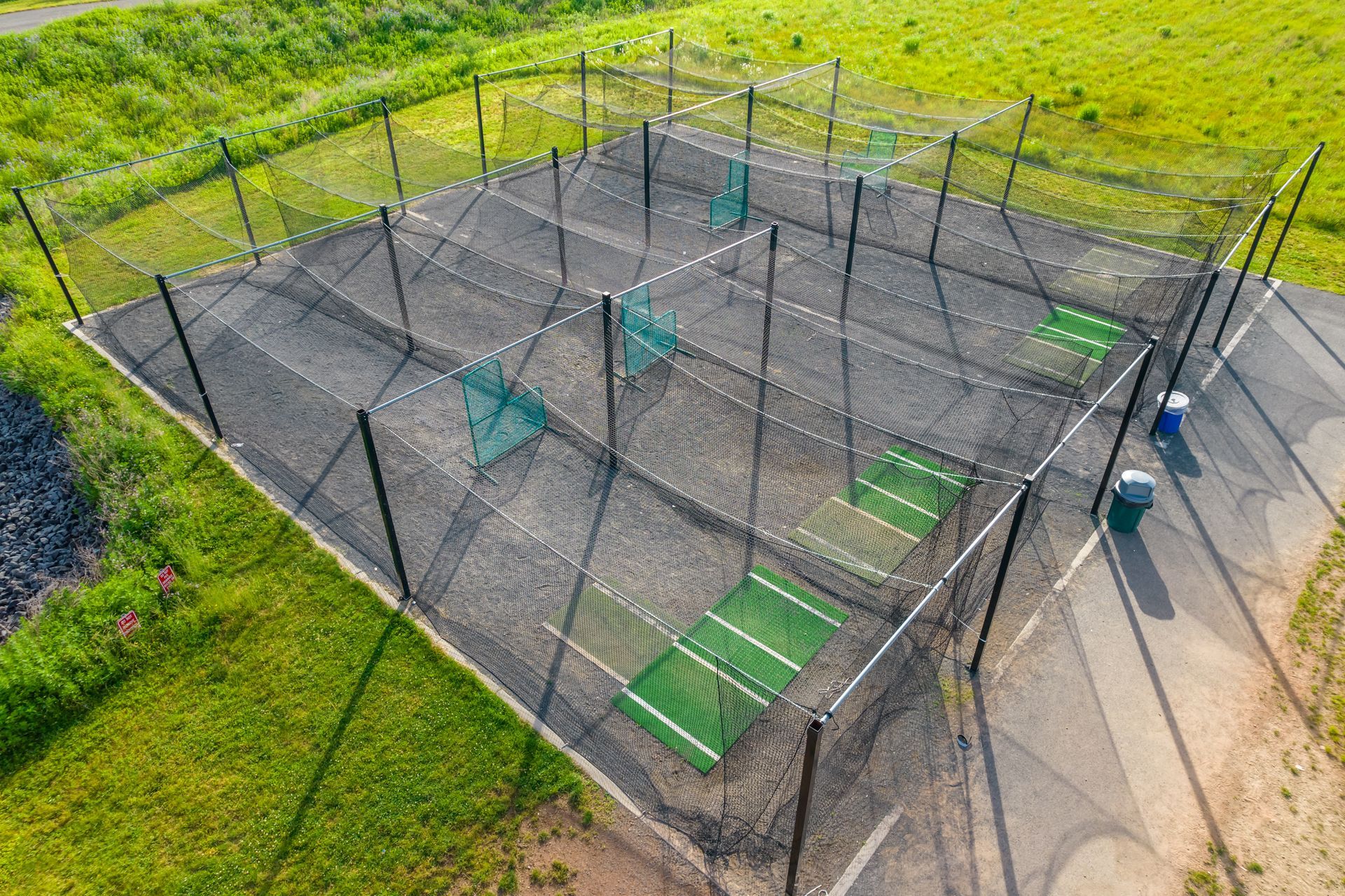
Designing a batting cage in Texas requires more than standard construction practices—it demands engineering that can withstand some of the most challenging wind conditions in the country. From sudden thunderstorms and straight-line winds to seasonal storm systems, Texas weather places significant stress on outdoor structures. At Texas Sports Turf & Netting, wind resistance is not treated as an upgrade—it is a foundational requirement for any outdoor cage wind load design.
For schools, training facilities, and commercial operators, the risk is not just structural damage. Poorly designed systems can create safety hazards, disrupt operations, and lead to costly repairs or replacements. According to the American Society of Civil Engineers (ASCE 7 standards), wind loads must be carefully calculated based on regional exposure, structure type, and anchoring systems to ensure safety and performance.
A properly engineered wind-resistant batting cage combines structural integrity, secure anchoring, and material durability to perform reliably—even under extreme conditions.
Understanding Wind Loads in Texas
Wind load refers to the force that wind exerts on a structure. In Texas, wind loads vary by region, but many areas experience design wind speeds ranging from 90 mph to over 130 mph, particularly in open or exposed environments.
Batting cages are especially vulnerable because of their surface area and netting systems. Unlike solid structures, netting allows some airflow, but it can still act as a sail under high wind conditions if not properly tensioned or supported.
Key wind-related factors include:
- Exposure category (open fields vs. urban environments)
- Height and length of the cage structure
- Orientation relative to prevailing winds
Ignoring these variables can result in excessive movement, structural fatigue, or complete system failure during storm events.
Structural Design for Wind Resistance
The structural framework is the backbone of any wind resistant batting cage. In Texas, this means designing with both strength and flexibility in mind.
Steel framing systems are commonly used due to their strength and ability to handle lateral forces. However, not all steel systems are equal. The diameter, wall thickness, and spacing of support posts all influence how the structure performs under wind load.
Equally important is how the structure distributes force. A well-designed cage does not rely on a single point of resistance but instead spreads wind loads across the entire system.
Critical structural design elements include:
- Reinforced vertical supports to resist bending and deflection
- Proper spacing between posts to balance strength and flexibility
- Cross-bracing or tension systems that stabilize the structure
Texas Sports Turf & Netting engineers systems that are specifically designed to meet regional wind demands, ensuring both safety and durability.
Batting Cage Anchoring Systems
Anchoring is one of the most important—and most overlooked—components of wind-resistant design. Even the strongest structure can fail if it is not properly secured to the ground.
Effective batting cage anchoring systems are tailored to site-specific conditions, including soil type, moisture levels, and expected wind loads.
Common anchoring methods include:
- Concrete footings, which provide maximum stability for permanent installations
- Helical or ground anchors are used in certain soil conditions for a secure hold
- Embedded post systems, where structural elements are set directly into concrete
The depth and size of anchors are determined through engineering calculations based on wind load requirements. Inadequate anchoring can lead to uplift, shifting, or complete structural failure during storms.
Netting Design and Wind Management
While netting is designed to allow airflow, it still plays a significant role in how a batting cage responds to wind. Poorly selected or improperly installed netting can increase resistance and stress on the structure.
High-quality netting systems are designed with both durability and wind performance in mind. UV-stabilized materials maintain strength over time, while proper mesh size and tensioning reduce excessive movement.
Wind management strategies include:
- Maintaining proper net tension to prevent sagging and billowing
- Using breakaway or flexible connections where appropriate
- Selecting netting materials that balance strength and airflow
These considerations help reduce strain on both the netting and the structural framework during high wind events.
Orientation and Site Positioning
The placement of a batting cage on a property can significantly influence its exposure to wind. In Texas, where open fields are common, strategic positioning can reduce the impact of prevailing winds.
Aligning cages parallel to dominant wind directions helps minimize resistance, while natural windbreaks—such as buildings or landscaping—can provide additional protection.
Site planning considerations include:
- Avoiding placement in open, unprotected areas when possible
- Using existing structures as partial wind barriers
- Ensuring adequate spacing to prevent wind tunneling between cages
Texas Sports Turf & Netting evaluates site conditions during the planning phase to optimize both performance and safety.
Engineering Standards and Compliance
Wind-resistant design is not just a best practice—it is often a requirement. Many municipalities and school districts in Texas require structures to meet specific engineering standards based on ASCE guidelines.
This includes:
- Calculated wind load ratings for the structure
- Engineered drawings and stamped plans for approval
- Compliance with local building codes and inspections
Working with an experienced provider ensures that all documentation is prepared correctly and that the system meets or exceeds required standards.
Maintenance and Inspection for Long-Term Safety
Even the most robust outdoor cage wind load design requires regular inspection to maintain performance. Over time, environmental exposure can impact components such as anchors, cables, and netting.
Routine maintenance should include checking anchor stability, inspecting structural connections, and ensuring that netting remains properly tensioned. Identifying wear early helps prevent failures during high-wind events.
Facilities that prioritize maintenance not only extend the lifespan of their systems but also reduce safety risks.
Common Mistakes in Wind-Resistant Design
One of the most common mistakes is underestimating wind load requirements. Using generic designs or non-engineered systems can lead to inadequate performance in Texas conditions.
Another issue is improper anchoring. Shallow or poorly installed anchors are a leading cause of structural failure during storms.
Other frequent mistakes include:
- Using low-quality netting that degrades under UV exposure
- Ignoring site-specific wind patterns during layout planning
- Skipping engineering verification for structural components
Avoiding these mistakes requires a comprehensive, engineering-driven approach.
Frequently Asked Questions About Wind-Resistant Batting Cages
What wind speeds should a batting cage be designed for?
This depends on location, but many Texas installations are designed for 90–130+ mph wind loads.
Are freestanding cages safe in high winds?
Yes, if properly engineered and anchored to meet local wind load requirements.
What is the best anchoring method?
Concrete footings are typically the most reliable for permanent installations.
Does netting affect wind resistance?
Yes. Proper material selection and tensioning are critical for managing wind load.
Do I need engineered plans for a batting cage?
In most cases, yes—especially for commercial or school facilities.
Designing a batting cage for Texas storm conditions requires more than basic construction—it requires engineering expertise, durable materials, and site-specific planning.
Texas Sports Turf & Netting delivers wind-resistant batting cage systems built to meet these challenges, ensuring safety, performance, and long-term reliability. By prioritizing proper anchoring, structural design, and wind load management, facilities can protect their investment and operate with confidence—even in extreme conditions.


Batting Cage Maintenance Checklist for Schools and Facilities: Preparing for High-Usage Fall Seasons