What’s the Right Shock Pad Thickness for Batting Cage Turf?

When designing a high-performance batting cage, most attention goes to turf type and netting systems—but what lies beneath the turf is just as critical. Shock pads, also known as turf underlayment, play a major role in athlete safety, comfort, and long-term durability. At Texas Sports Turf & Netting, selecting the correct batting cage shock pad thickness is a key part of building a system that performs consistently under heavy use.
Shock pads act as a cushioning layer between the turf and the base, absorbing impact and reducing stress on joints during repetitive movements. In batting cages—where athletes are constantly planting, pivoting, and absorbing force—this layer directly affects performance and injury prevention. According to sports surface research and Synthetic Turf Council guidance, properly specified shock pads can significantly improve force reduction and extend the lifespan of turf systems.
Understanding thickness options, material types, and application-specific needs is essential for making the right decision.
What Does a Shock Pad Actually Do?
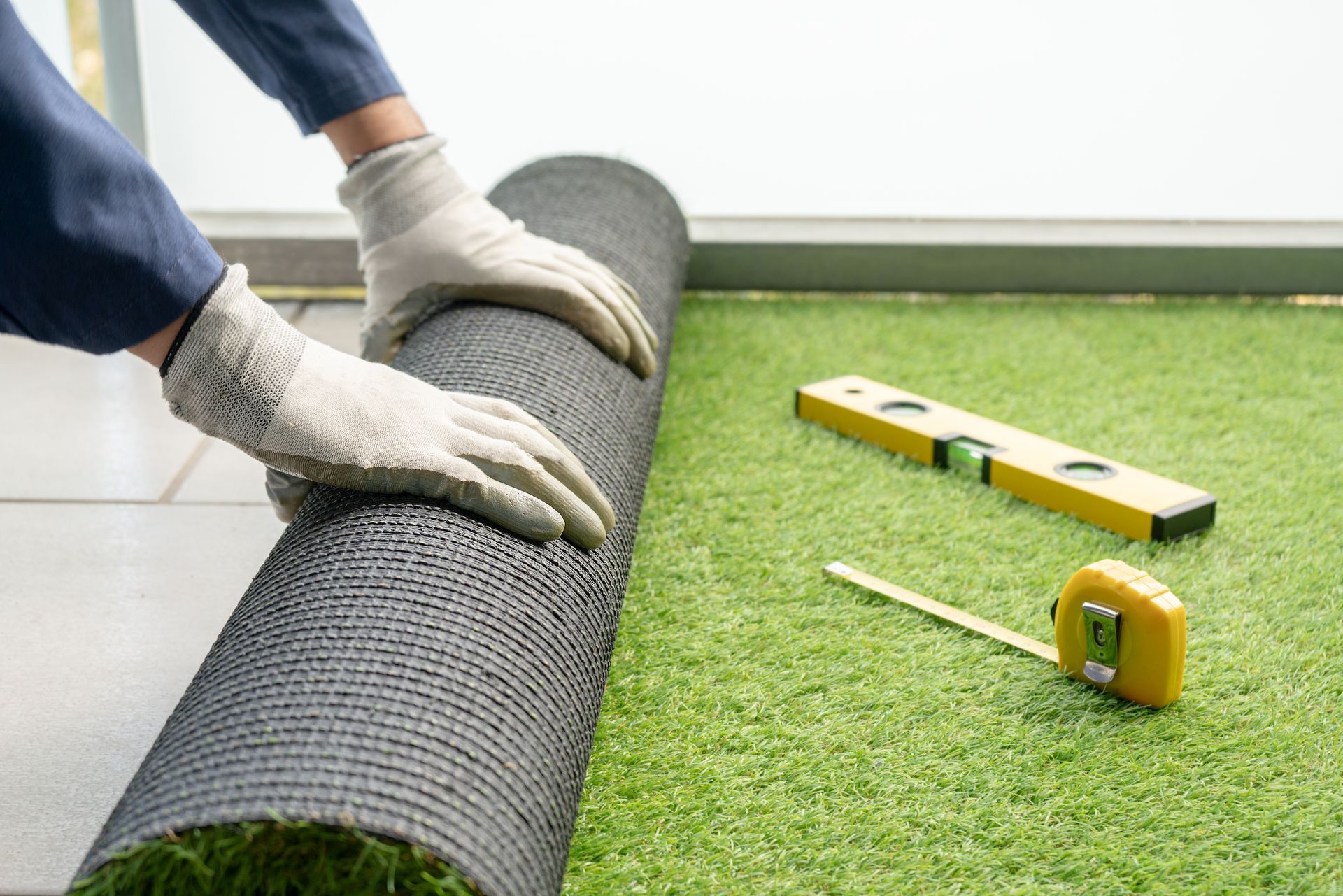
A shock pad is designed to absorb and distribute impact forces that would otherwise transfer directly to the athlete or the sub-base. In batting cages, this is particularly important in high-impact zones such as batter’s boxes and pitching lanes.
Without a shock pad, turf installed directly over concrete or compacted base material can feel hard and unforgiving. Over time, this increases fatigue and may contribute to overuse injuries. Shock pads introduce a controlled level of cushioning that improves comfort while maintaining stability. This principle applies broadly across training environments, which is why how indoor turf supports year-round training for Texas athletes consistently emphasizes underlayment as part of a complete surface system.
Core functions of a shock pad include:
- Reducing impact forces on joints and muscles
- Improving energy absorption during repetitive movements
- Protecting turf fibers from excessive wear
The challenge is finding the right balance—too little cushioning reduces safety benefits, while too much can compromise stability and performance.
Common Shock Pad Thickness Options
Shock pads are available in a range of thicknesses, typically measured in millimeters.
For sports turf shock pad guide applications like batting cages, the most common thickness ranges include:
- 10–15 mm (thin pads): Minimal cushioning, often used for low-impact or budget installations
- 15–20 mm (moderate thickness): Balanced performance for most training environments
- 20–25 mm+ (thicker pads): Maximum shock absorption for high-impact or specialized use
Each thickness level serves a different purpose, and selecting the right one depends on how the batting cage will be used.
For most indoor and outdoor batting cage applications, the 15–20 mm range is considered the optimal balance between comfort and stability. Facilities planning custom turf cages for Texas baseball clubs will find this range consistently recommended as the baseline for high-use training environments.
How Thickness Impacts Performance
Shock pad thickness directly affects how the surface feels and performs underfoot. Thinner pads provide a firmer surface, which can be beneficial for stability and consistent footing. However, they offer less impact absorption.
Thicker pads increase cushioning, reducing stress on joints during repeated use. This can be especially beneficial in high-volume training facilities where athletes spend extended periods in the cage.
However, excessive thickness can create a “spongy” feel, which may impact:
- Foot stability during hitting and pitching mechanics
- Energy transfer and balance
- Overall surface responsiveness
Texas Sports Turf & Netting evaluates performance requirements carefully to ensure that the selected thickness supports both safety and athletic performance.
Indoor vs. Outdoor Considerations
The environment plays a major role in determining the appropriate turf underlayment thickness. Indoor and outdoor batting cages have different demands that influence shock pad selection.
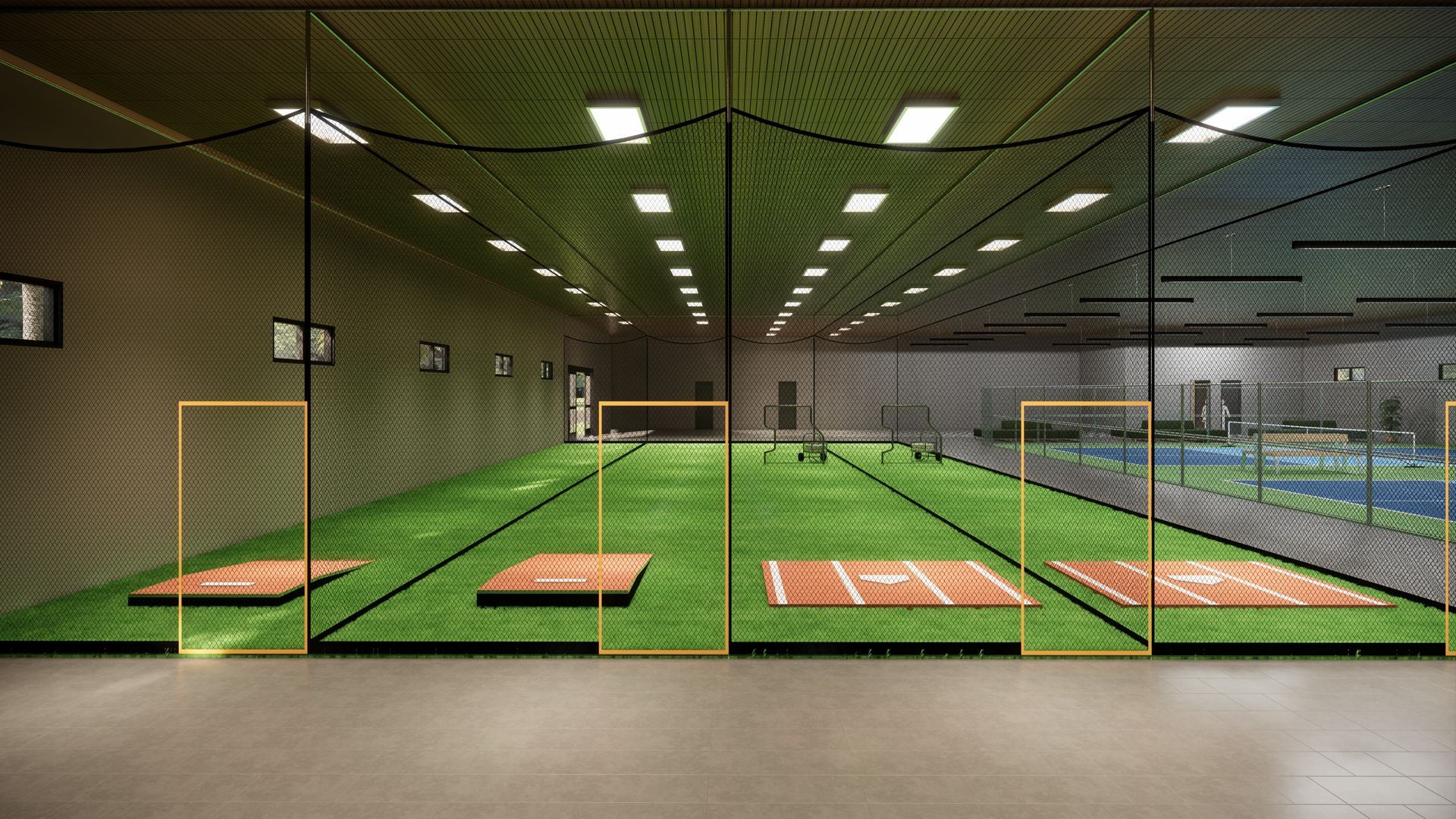
Indoor facilities, often built over concrete, benefit significantly from shock pads because the base surface is rigid and unforgiving. In these settings, a moderate to thick pad (15–20 mm or more) is typically recommended. This aligns with broader findings on why indoor turf is the best flooring for multi-sport facilities in Texas, where rigid base surfaces make proper underlayment a non-negotiable part of system design.
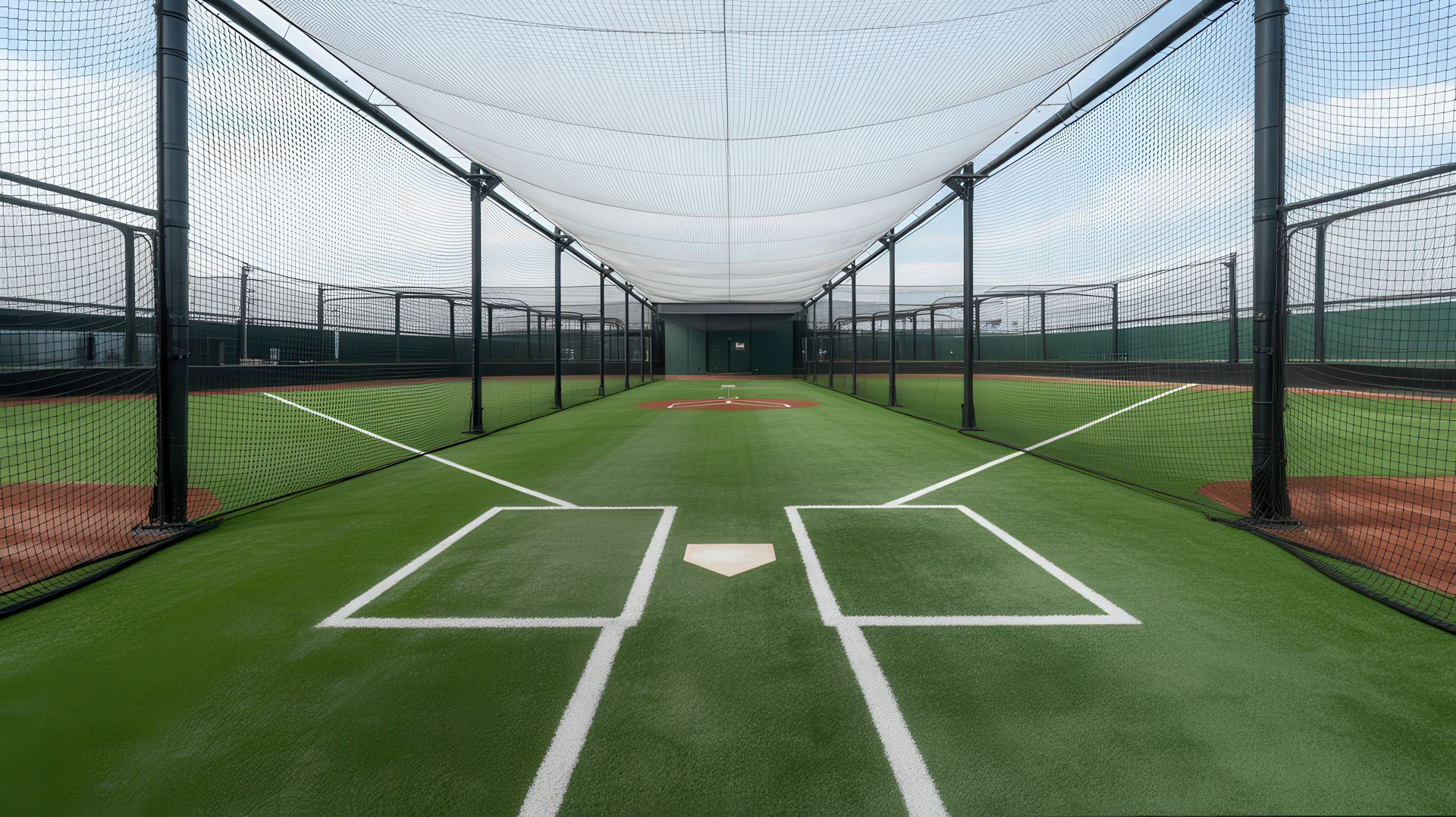
Outdoor installations, on the other hand, may already have some natural give depending on the base material. In these cases, slightly thinner pads may be sufficient, provided that drainage and base preparation are properly handled.
Environmental factors such as temperature and moisture should also be considered, as they can affect material performance over time.
Material Types and Construction
Shock pads are made from a variety of materials, each with different performance characteristics.
Common options include:
- Foam-based pads, which provide consistent cushioning and are widely used in sports applications
- Rubber-based pads, offering higher durability and resilience under heavy loads
- Composite systems, combining multiple materials for optimized performance
Material choice affects not only cushioning but also longevity, drainage, and compatibility with the turf system. High-quality materials maintain their structure over time, while lower-grade options may compress or degrade with use. When comparing indoor turf to rubber and carpet for athletic use, the underlayment system is one of the most decisive factors in long-term surface performance.
Durability and Long-Term Performance
Shock pads do more than improve comfort—they also extend the life of the turf system. By absorbing impact, they reduce stress on turf fibers and backing, helping prevent premature wear.
In high-use batting cages, this can translate to significant cost savings over time.
Facilities that invest in proper underlayment often experience:
- Reduced turf replacement frequency
- More consistent surface performance
- Lower maintenance requirements
In Texas, where heat can accelerate material degradation, selecting a durable shock pad is especially important.
Safety Considerations for Athletes
Safety is one of the primary reasons to include a shock pad in a batting cage system. Repetitive training movements place stress on joints, particularly in the lower body. Shock pads help mitigate this by reducing peak impact forces.
This is particularly important for younger athletes or high-volume training programs, where cumulative stress can lead to fatigue or injury over time.
However, safety is not just about softness—it is about controlled performance. A properly specified shock pad provides cushioning without compromising stability, allowing athletes to train effectively and safely.
Common Mistakes When Selecting Shock Pads
One of the most common mistakes is choosing thickness based solely on comfort without considering performance. Overly thick pads can negatively impact stability and training effectiveness.
Another issue is selecting low-quality materials that compress over time. This reduces both cushioning and durability, leading to inconsistent performance.
Improper installation is also a risk. Even the best shock pad will underperform if it is not installed over a properly prepared base. Understanding the importance of avoiding turf installation delays during the planning phase helps facility owners ensure that base preparation and underlayment installation are handled correctly from the start.
Avoiding these mistakes requires a system-based approach that considers turf, underlayment, and base as a single integrated solution.
Frequently Asked Questions About Shock Pad Thickness
What is the best shock pad thickness for batting cages?
Typically, 15–20 mm provides the best balance of comfort and stability.
Do I need a shock pad for indoor cages?
Yes. Indoor surfaces are often hard, making shock pads highly beneficial.
Can a shock pad improve turf lifespan?
Yes. It reduces stress on turf fibers and backing, extending durability.
Is thicker always better?
No. Excessive thickness can reduce stability and affect performance.
What material is best for shock pads?
Foam and rubber-based systems are commonly used, depending on application needs.
Choosing the right shock pad thickness is a critical step in building a batting cage that delivers both performance and safety.
Texas Sports Turf & Netting helps facilities evaluate
batting cage shock pad thickness based on real-world usage, ensuring that each system is designed for durability, comfort, and long-term value. By taking a balanced, informed approach, facility owners can create training environments that support athletes at every level.


Batting Cage Maintenance Checklist for Schools and Facilities: Preparing for High-Usage Fall Seasons