Outdoor Batting Cages in Texas: Designing for Heat, Wind & Year-Round Performance
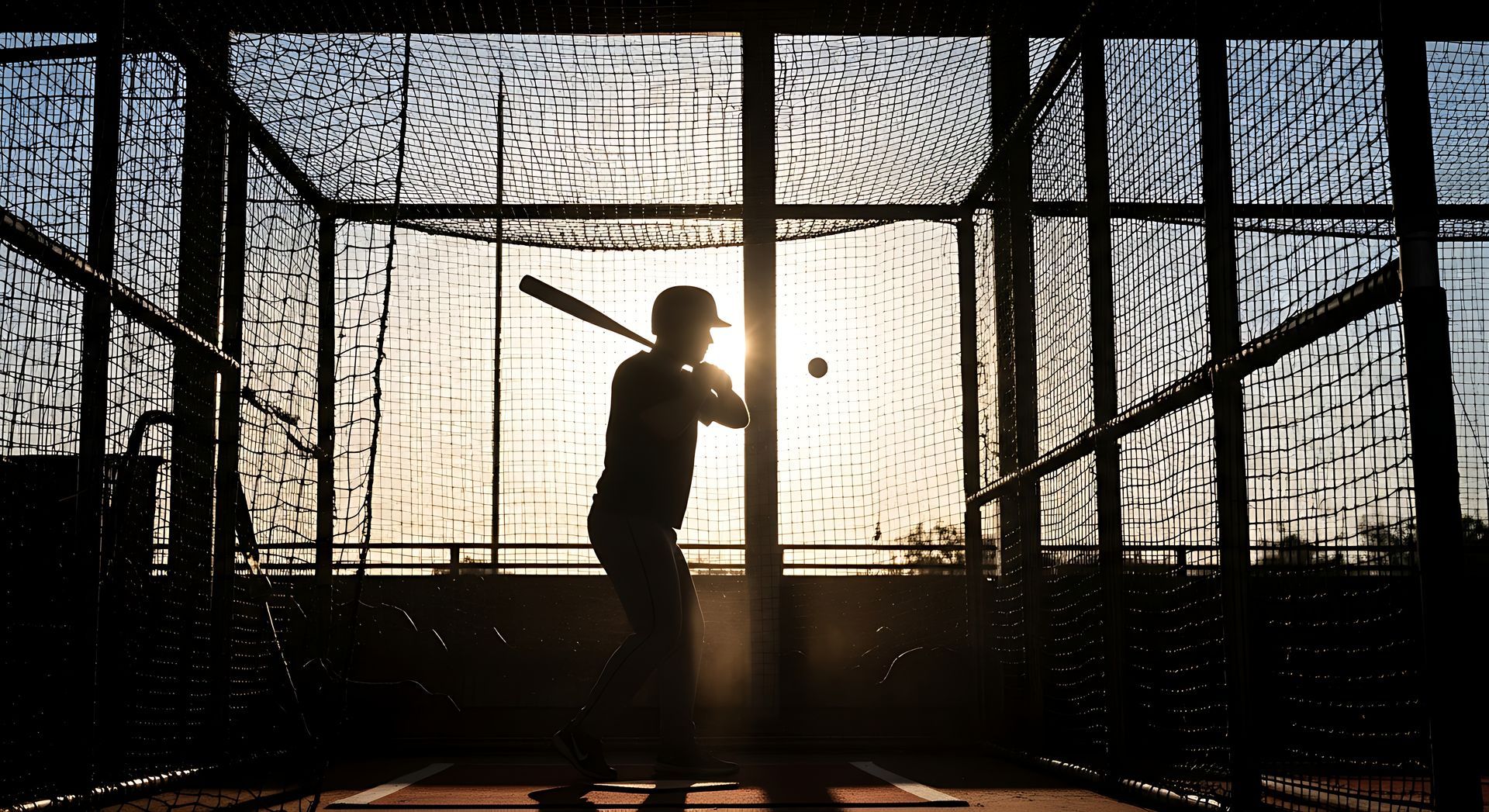
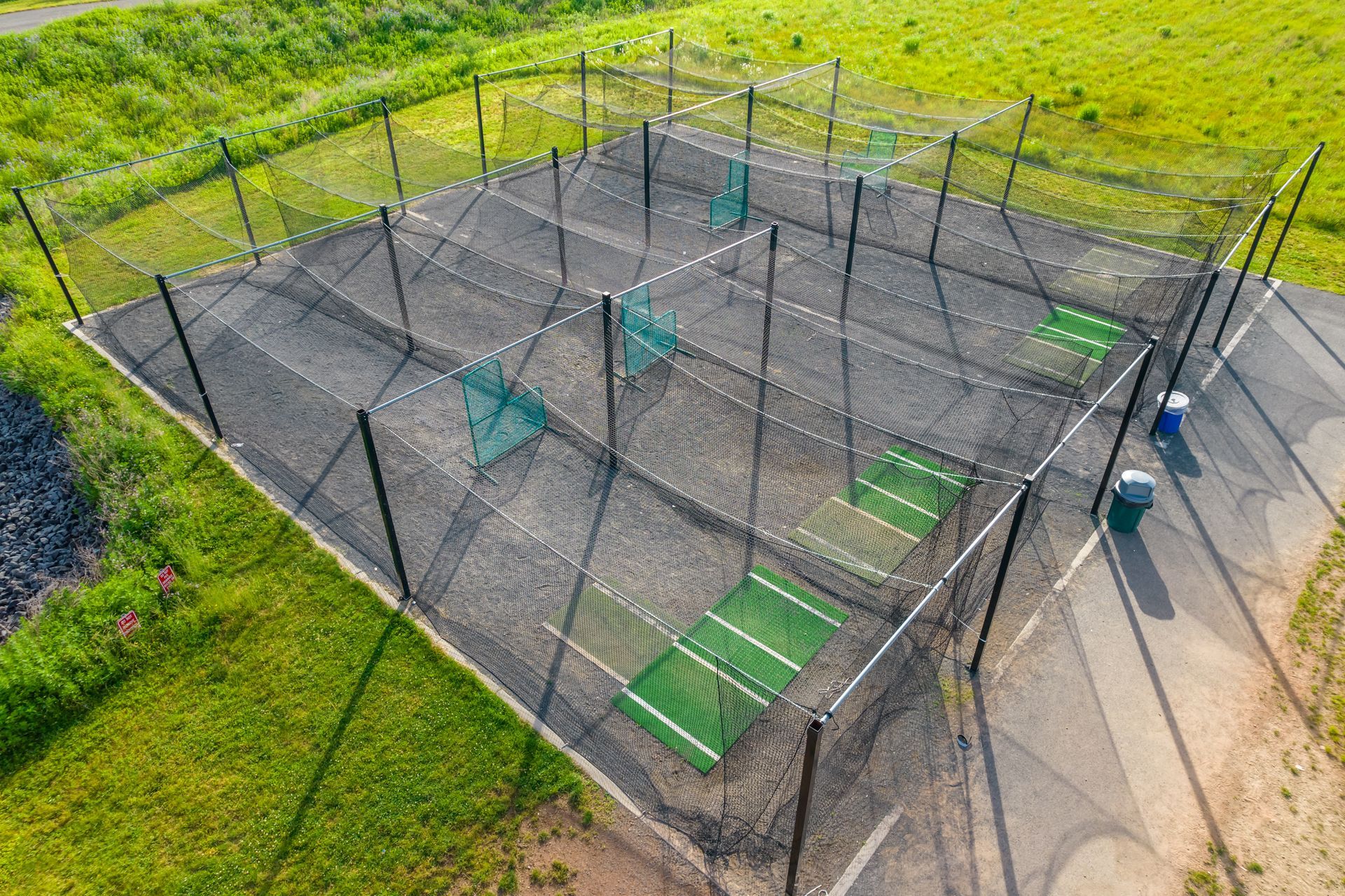
Outdoor batting cages in Texas offer year-round training opportunities, but they also come with unique environmental challenges that must be addressed during design and construction. From extreme summer heat and intense UV exposure to unpredictable wind conditions and seasonal storms, Texas weather can quickly degrade poorly built systems. At Texas Sports Turf & Netting, outdoor batting cages are engineered not just for performance—but for durability under real-world conditions.
For schools, training facilities, and commercial operators, investing in a weather-resistant batting cage is about more than initial installation. It’s about ensuring long-term reliability, minimizing maintenance, and protecting athletes and equipment. According to the American Sports Builders Association (ASBA), outdoor sports structures must be designed with environmental load considerations in mind, particularly in regions with high wind exposure and temperature extremes.
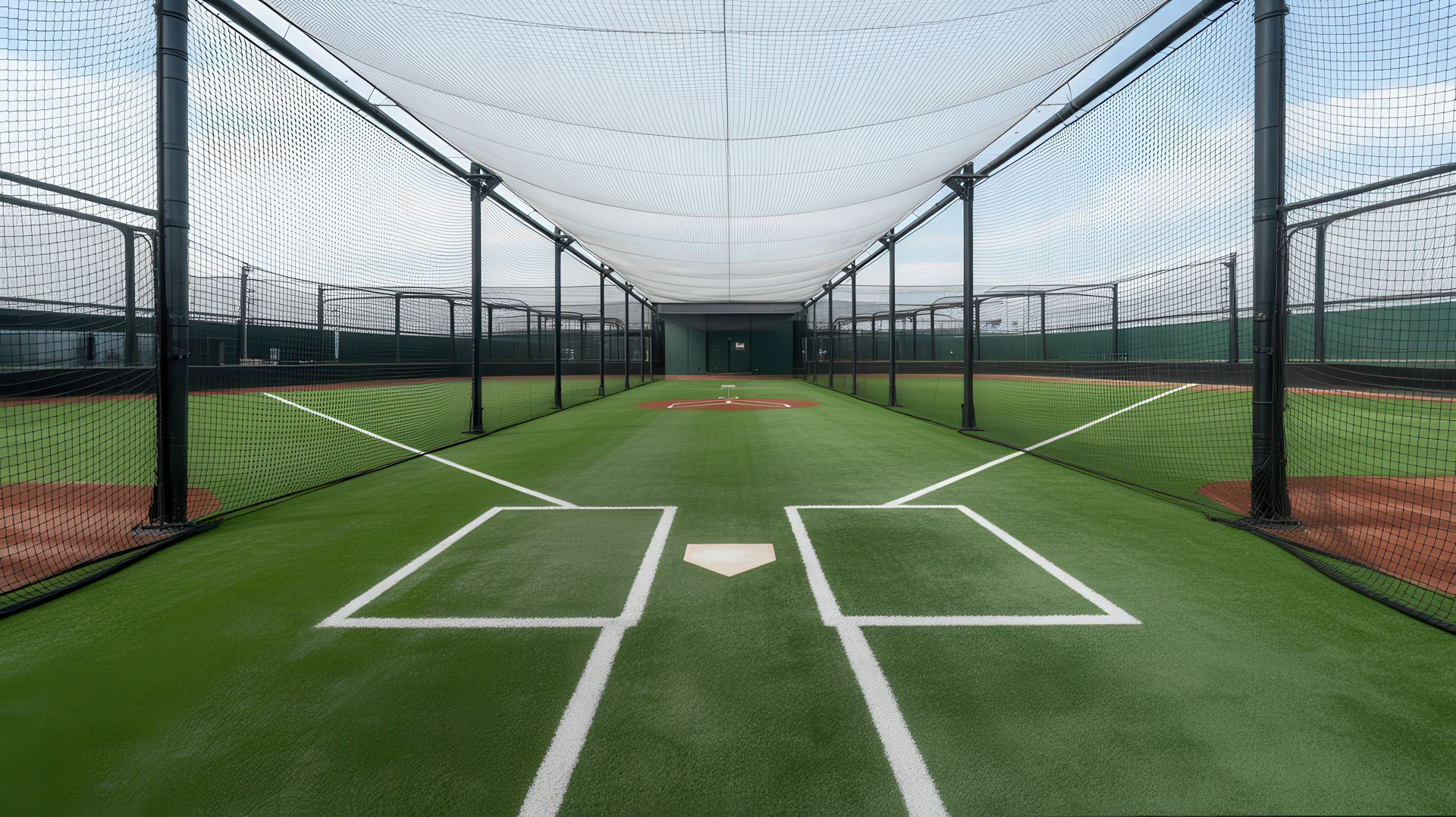
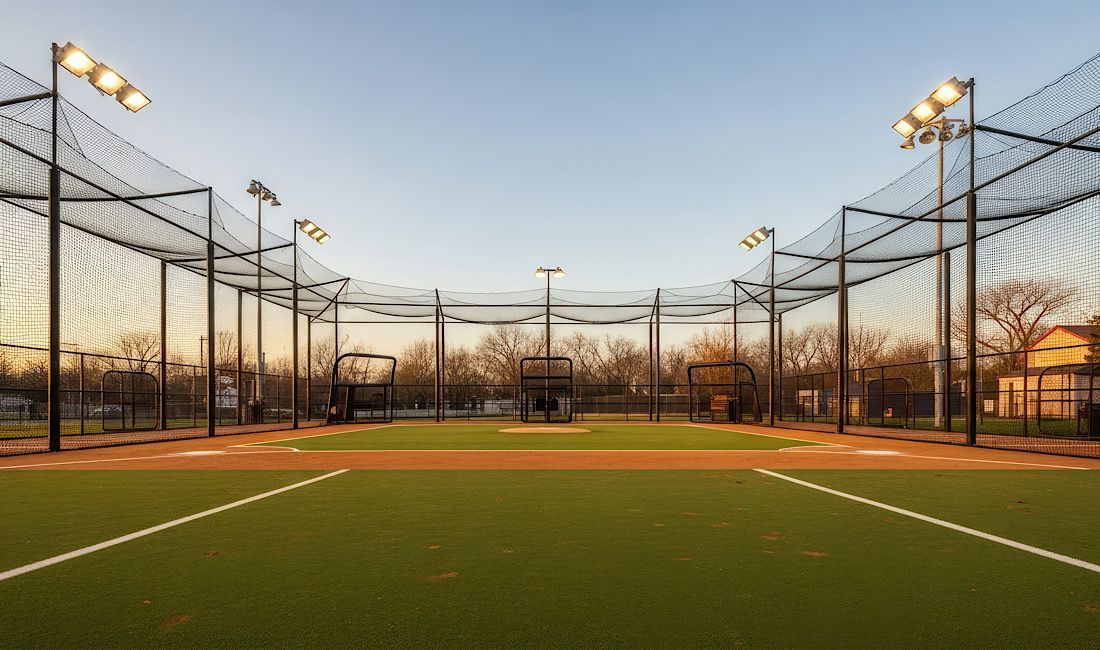
A well-designed outdoor batting cage in Texas balances structural integrity, material quality, and smart layout planning to deliver consistent performance throughout the year.
Understanding Texas Climate Challenges
Texas presents one of the most demanding environments for outdoor sports infrastructure. Facilities must contend with prolonged heat, high UV radiation, sudden storms, and strong wind gusts—all of which can impact batting cage systems over time.
Heat is a primary concern. Summer temperatures regularly exceed 90–100°F, which can accelerate material wear, especially in lower-quality netting and coatings. UV exposure further compounds this issue, breaking down fibers and reducing the lifespan of netting systems.
Wind is another critical factor. Depending on the region, wind loads can place significant stress on cage structures, particularly freestanding systems. Without proper anchoring and engineering, cages can shift, sag, or fail entirely.
Additional environmental considerations include:
- Heavy rain events that impact drainage and surface conditions
- Dust and debris that can affect netting and equipment
- Seasonal storms that introduce sudden stress on structures
Designing for these conditions from the outset is essential for long-term success.
Choosing Weather-Resistant Materials
Material selection is one of the most important decisions in building a commercial batting cage system that can withstand Texas weather. Not all netting, framing, or hardware is created equal, and cutting corners here often leads to premature replacement costs.
High-quality netting should be UV-stabilized and constructed from durable materials such as polyethylene or nylon blends designed for outdoor use. These materials resist sun damage and maintain tensile strength over time.
Structural components should be corrosion-resistant, particularly in areas with humidity or exposure to moisture. Galvanized steel or powder-coated frames are commonly used to prevent rust and extend lifespan.
Key material considerations include:
- UV-resistant netting to prevent degradation from sun exposure
- Corrosion-resistant frames for long-term durability
- High-strength cables and hardware to maintain tension and structure
Texas Sports Turf & Netting prioritizes materials that are specifically engineered for outdoor environments, ensuring that systems perform consistently over time.
Engineering for Wind Resistance and Stability
Wind load is one of the most critical design factors for outdoor batting cages in Texas. A system that performs well in calm conditions may fail under sustained or sudden wind pressure if not properly engineered.
Anchoring systems must be designed to secure the structure to the ground effectively. This may include concrete footings, ground anchors, or integrated foundation systems depending on soil conditions and cage size.
Structural design also plays a role. Proper tensioning of netting, reinforced support posts, and strategic spacing all contribute to wind resistance.
Effective wind-resistant design includes:
- Engineered anchoring systems based on site-specific conditions
- Reinforced framing to handle lateral stress
- Proper net tensioning to reduce movement and wear
Facilities that invest in proper engineering upfront avoid costly repairs and downtime later.
Layout and Orientation for Performance
The layout and orientation of an outdoor batting cage can significantly impact both usability and longevity. In Texas, positioning the cage to minimize direct sun exposure for batters and pitchers improves training conditions and reduces glare.
Wind direction should also be considered when orienting cages. Aligning cages parallel to prevailing winds can reduce resistance and stress on the structure.
Spacing between cages is another important factor, particularly for multi-lane installations. Adequate spacing improves safety, accessibility, and airflow.
Texas Sports Turf & Netting works with facilities to optimize layout based on site conditions, ensuring that each installation performs efficiently and safely.
Surface and Drainage Considerations
The performance of an outdoor batting cage is not limited to the structure itself—ground conditions also play a major role. In Texas, where heavy rain can occur alongside dry conditions, proper drainage is essential.
Without adequate drainage, water can accumulate around the cage, leading to uneven surfaces, mud, and potential safety hazards. Over time, poor drainage can also impact the stability of anchoring systems.
Common surface options include:
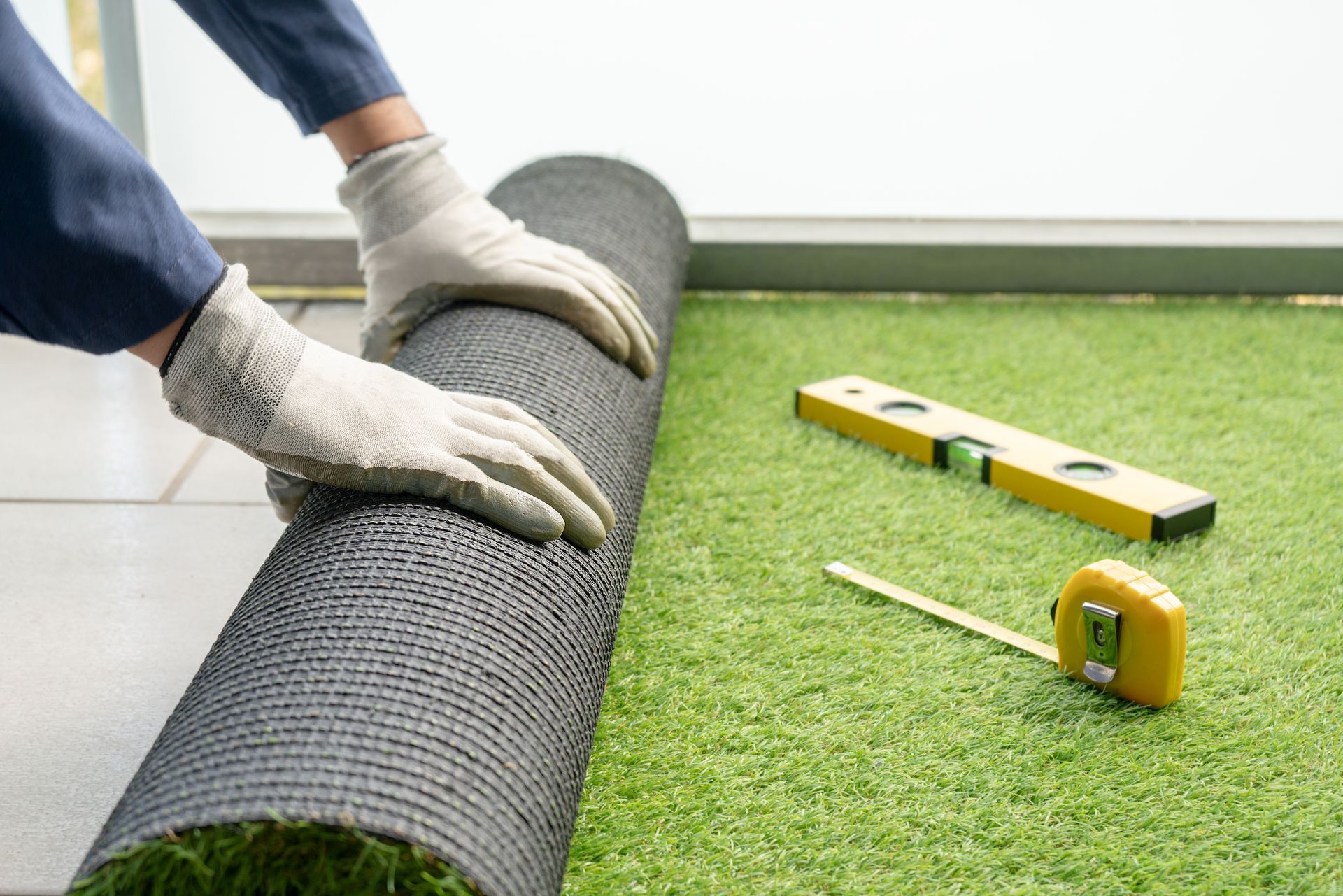
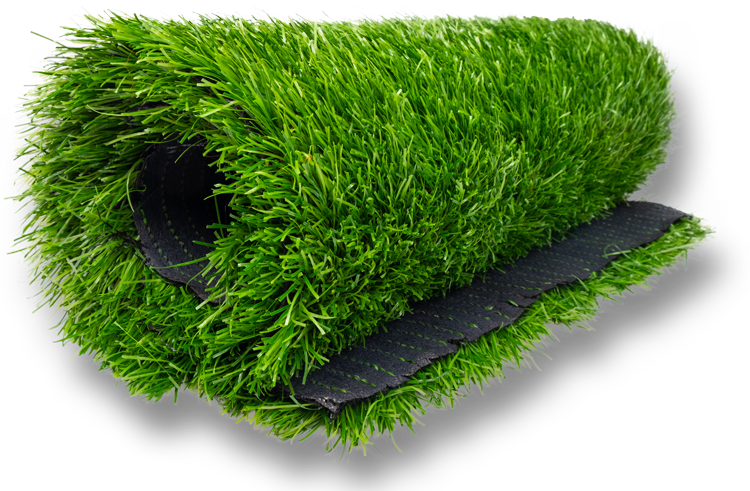
- Synthetic turf for consistent performance and low maintenance
- Clay or natural surfaces for traditional training environments
- Crushed stone bases for improved drainage
Selecting the right surface depends on usage, budget, and maintenance preferences, but drainage should always be a priority.
Maintenance and Longevity
Even the best-designed outdoor batting cage systems require ongoing maintenance to ensure long-term performance. Regular inspections help identify wear and prevent small issues from becoming major problems.
Key maintenance practices include checking netting for signs of wear, inspecting anchors and hardware for stability, and ensuring that tension systems remain properly adjusted. Cleaning debris and monitoring drainage conditions also contribute to system longevity.
High-quality systems designed for Texas conditions can last many years with proper care, making maintenance an essential part of protecting your investment.
Cost Considerations for Outdoor Systems
The cost of an outdoor batting cage in Texas varies depending on size, materials, and level of customization. Basic single-lane systems may start around $10,000–$25,000, while larger multi-lane or commercial-grade installations can exceed $75,000+.
Factors that influence cost include:
- Structural complexity and engineering requirements
- Material quality and durability
- Site preparation, including grading and drainage
While upfront costs may be higher for premium systems, the long-term savings in maintenance and replacement often justify the investment.
Common Mistakes to Avoid
One of the most common mistakes in outdoor batting cage projects is underestimating environmental impact. Choosing materials that are not designed for UV exposure or wind conditions can lead to rapid deterioration.
Another issue is inadequate anchoring or structural design, which can result in instability during storms. Poor drainage planning is also a frequent oversight, leading to usability and safety concerns.
Avoiding these mistakes requires a comprehensive approach that considers all aspects of the environment and usage.
Frequently Asked Questions About Outdoor Batting Cages in Texas
What makes a batting cage weather-resistant?
UV-resistant materials, strong structural design, and proper anchoring all contribute to weather resistance.
How do you protect cages from Texas heat?
Using UV-stabilized netting and durable coatings helps prevent material degradation.
Are outdoor cages suitable year-round in Texas?
Yes, when designed properly, they can be used throughout the year.
How long do outdoor batting cages last?
With proper materials and maintenance, they can last many years.
What is the biggest risk for outdoor cages?
Wind load and UV exposure are the primary challenges in Texas.
Designing outdoor batting cages in Texas requires a strategic approach that accounts for heat, wind, and long-term performance.
Texas Sports Turf & Netting delivers commercial batting cage systems built to withstand these conditions, helping facilities create reliable training environments that perform year-round. By focusing on durable materials, proper engineering, and thoughtful design, you can build a system that stands up to Texas weather and supports athletes for years to come.


Batting Cage Maintenance Checklist for Schools and Facilities: Preparing for High-Usage Fall Seasons