Best Turf Flooring for Batting Cages: Performance, Safety & Durability Explained

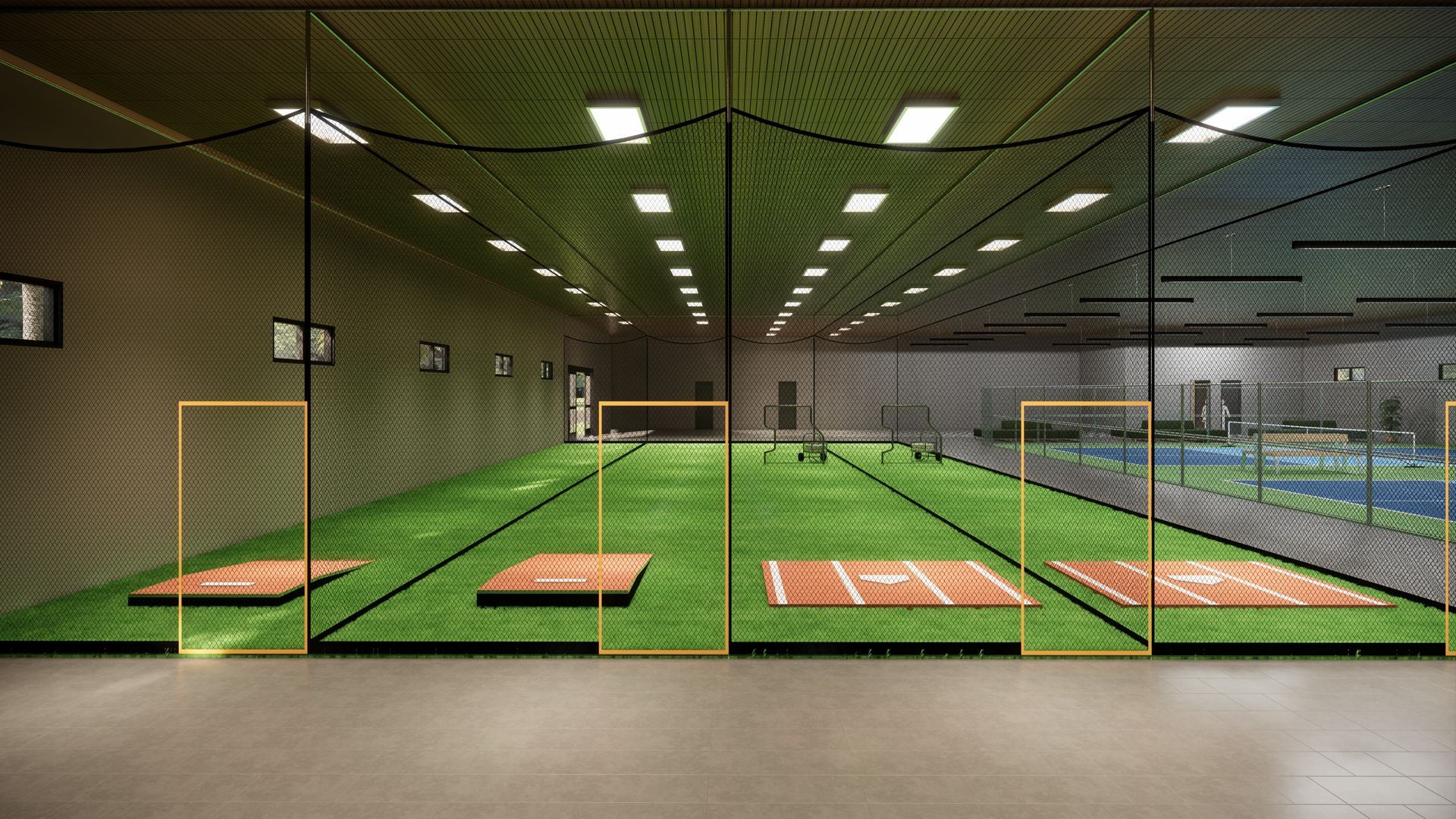
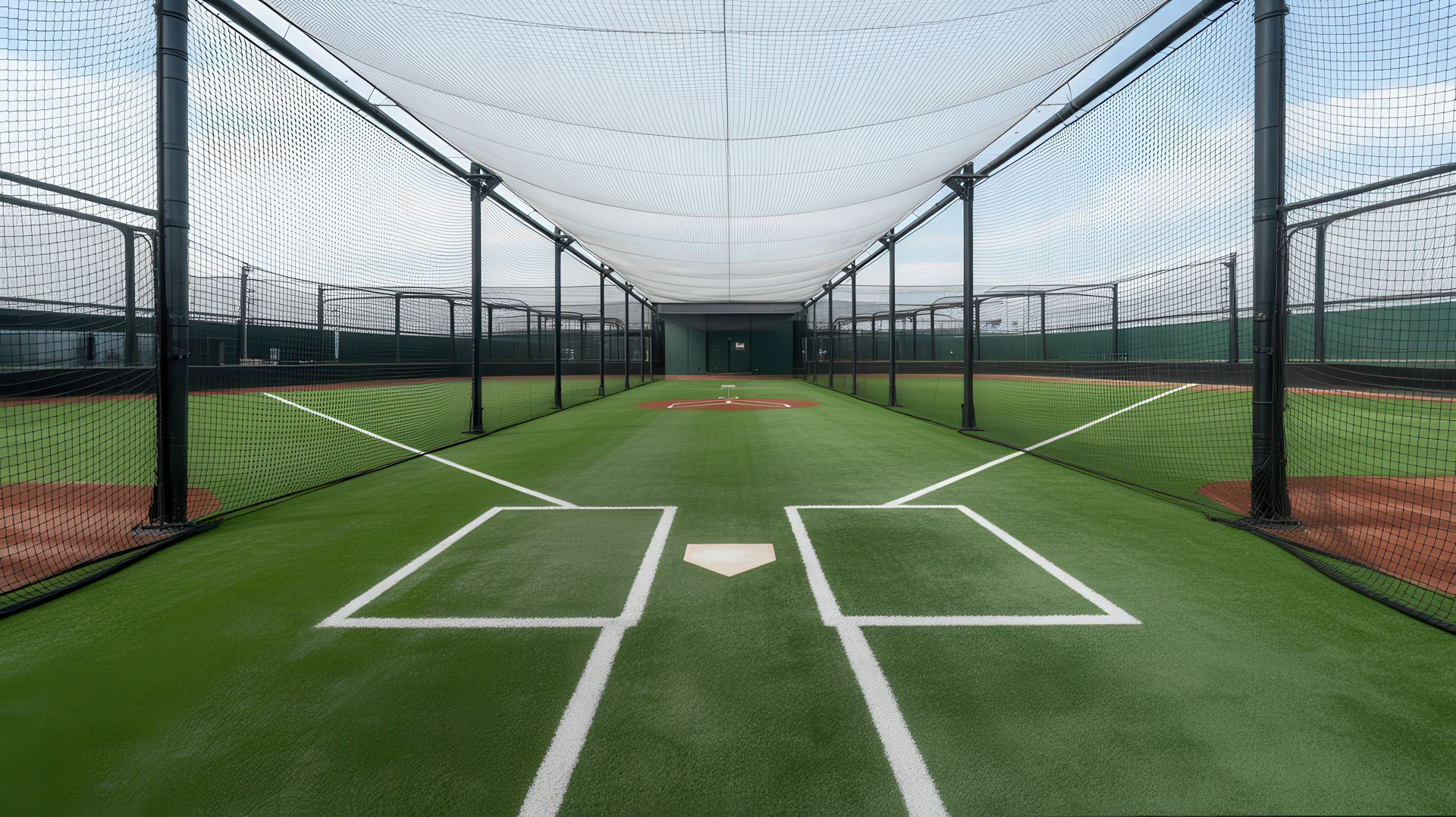
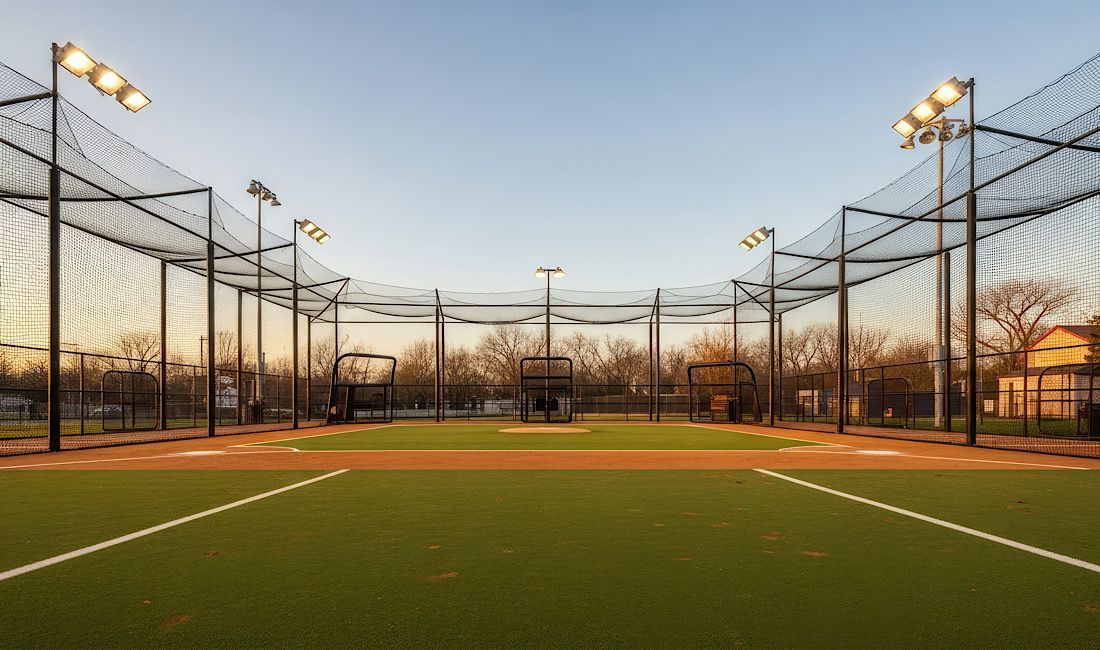
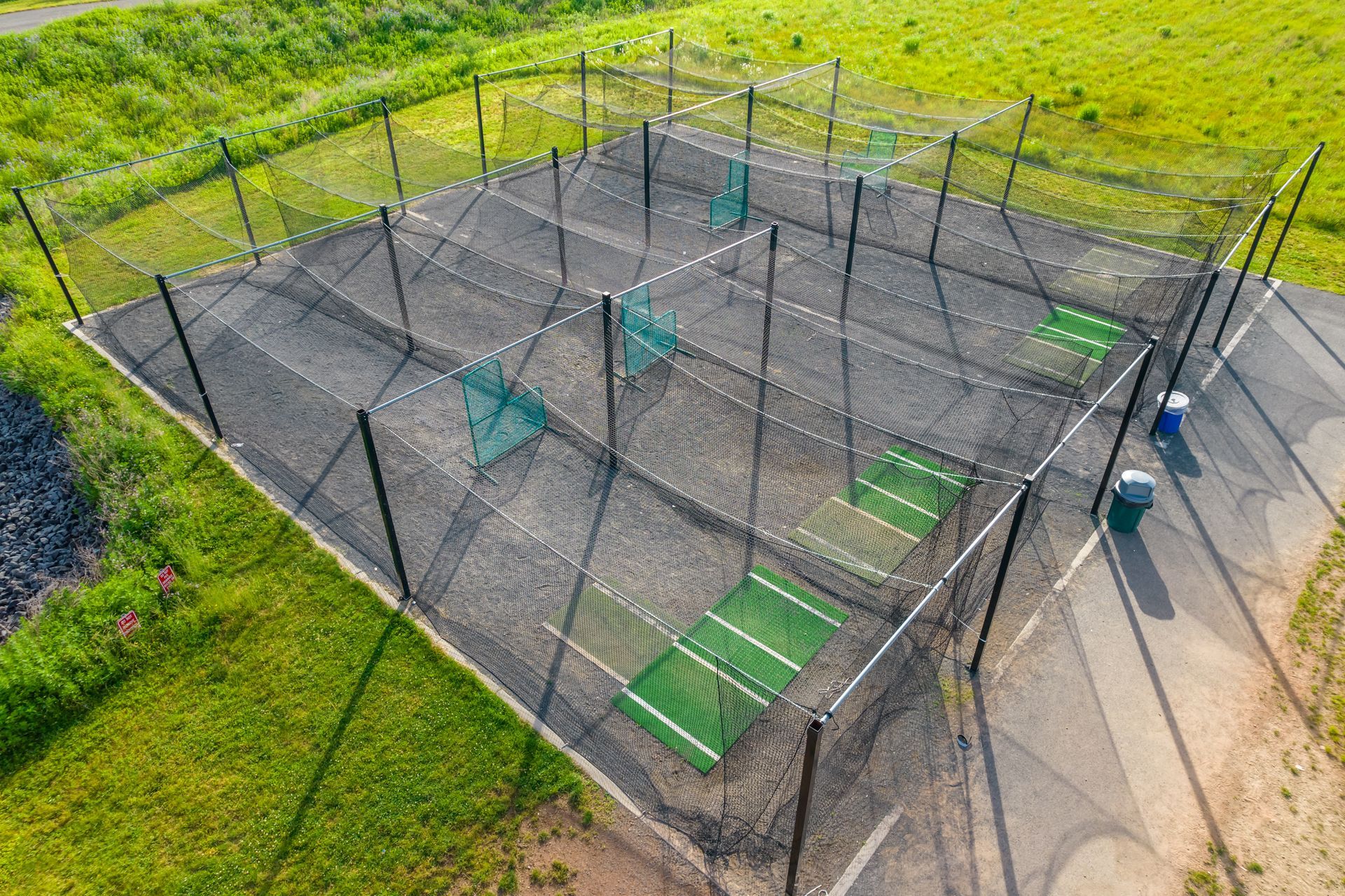
Selecting the right turf flooring for a batting cage is one of the most important decisions in building a high-performance training environment. While netting and structure often get the most attention, the surface athletes train on directly impacts safety, consistency, and long-term maintenance. At Texas Sports Turf & Netting, we approach batting cage turf flooring as a performance system—not just a surface—ensuring that it supports athlete development while holding up under heavy, repetitive use.
Batting cages, especially in schools and commercial facilities, experience constant foot traffic, repetitive impact from cleats, and concentrated wear in hitting and pitching zones. According to the Synthetic Turf Council, properly selected and installed sports turf can significantly reduce maintenance costs while improving surface consistency and athlete safety. For facility owners, the goal is to choose a turf system that balances durability, playability, and long-term value.
Understanding turf types, fiber construction, and installation methods is essential to making the right investment.
Why Turf Matters in Batting Cage Performance
The surface inside a batting cage influences how athletes move, plant, and react during training. A poorly chosen turf system can lead to inconsistent footing, increased injury risk, and faster material breakdown.
High-quality sports turf for batting cages provides a stable, predictable surface that supports proper mechanics. This is particularly important for hitters working on footwork and pitchers refining their delivery. Consistency in surface performance allows athletes to train with confidence, knowing that their footing will not vary from session to session.
In addition to performance, turf also plays a role in safety. Shock absorption, traction, and surface temperature all contribute to reducing fatigue and minimizing injury risk over time.
Types of Turf Used in Batting Cages
Not all artificial turf is designed for batting cages. Different turf systems are engineered for specific applications, and choosing the wrong type can lead to premature wear or poor performance.
The most common types of artificial turf for baseball training include:
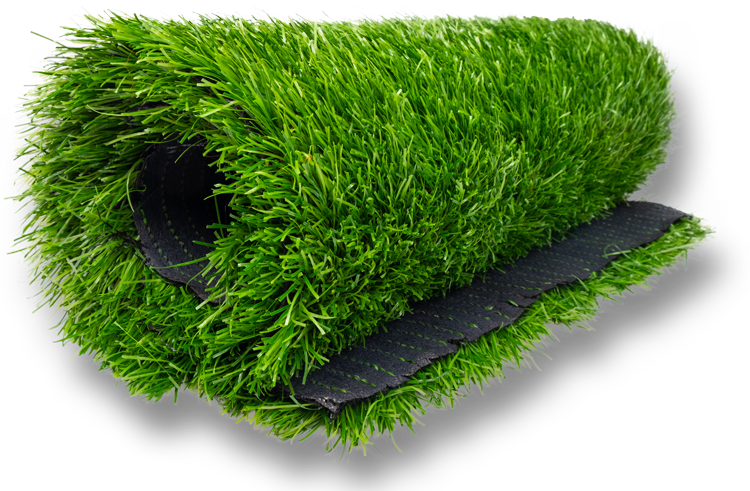
- Nylon turf is known for its durability and ability to withstand high-impact use
- Polyethylene turf, which offers a softer feel and a more natural appearance
- Polypropylene turf is typically used in lower-cost applications but is less durable
Nylon turf is often preferred for high-use batting cages due to its strength and resistance to crushing. Polyethylene may be used in facilities that prioritize comfort, but it may not hold up as well under intense, repeated use.
Each option has trade-offs, and the right choice depends on how the facility will be used.
Fiber Construction and Pile Height
Fiber construction is a critical factor in determining how turf performs over time. The shape, density, and height of the fibers all influence durability, traction, and ball response.
Shorter pile heights are commonly used in batting cages because they provide a firmer, more stable surface. This helps athletes maintain consistent footing and allows for a predictable ball bounce during drills.
Denser fiber construction increases durability by distributing wear more evenly across the surface. In high-traffic areas—such as batter’s boxes and pitching lanes—this is especially important.
Key performance factors include:
- Fiber density, which impacts durability and wear resistance
- Pile height, which affects stability and ball interaction
- Fiber shape, which influences resilience and recovery after use
Texas Sports Turf & Netting evaluates these variables to recommend turf systems that match the intensity and frequency of use.
Infill vs. Non-Infill Turf Systems
One of the most important decisions in selecting batting cage turf flooring is whether to use an infill or non-infill system.
Non-infill turf is commonly used in batting cages because it provides a clean, low-maintenance surface. These systems rely on dense fiber construction rather than rubber or sand infill, making them ideal for indoor facilities and controlled environments.
Infill systems, on the other hand, use materials such as rubber or sand to support the turf fibers. While this approach is common in full-field installations, it is less frequently used in batting cages due to maintenance requirements and potential for material displacement.
For most batting cage applications, non-infill systems offer:
- Easier maintenance and cleaning
- Consistent surface performance
- Reduced risk of material migration
Choosing the right system depends on facility type, usage, and maintenance capabilities. Facilities exploring custom turf cages for Texas baseball clubs will find that non-infill systems are frequently the recommended starting point for both indoor and outdoor setups.
Installation Methods and Base Preparation
Even the highest-quality turf will fail if it is not installed correctly. Proper base preparation and installation are essential for achieving long-term performance.
The foundation beneath the turf must be stable, level, and designed for drainage. In outdoor installations, this often involves a compacted aggregate base that allows water to flow away from the surface. Indoor facilities may use concrete or other stable substrates.
Installation methods typically include securing the turf with adhesives, fasteners, or seams that prevent shifting over time. Proper seam alignment is critical to avoid tripping hazards and ensure a uniform surface.
Important installation considerations include:
- Base stability and drainage performance
- Seam integrity and alignment
- Secure attachment to prevent movement
Texas Sports Turf & Netting ensures that every installation is executed with precision, as long-term performance depends on the quality of the underlying system.
Durability in High-Use Training Environments
Batting cages are among the highest-use areas in any sports facility, which makes durability a top priority. Repeated foot traffic, cleat pressure, and ball impact can quickly wear down lower-quality turf systems.
High-performance turf is designed to resist fiber breakdown, maintain structure, and recover quickly after use. Nylon-based systems, in particular, are known for their ability to withstand heavy traffic without matting or flattening.
Facilities that invest in durable turf systems benefit from:
- Longer lifespan and reduced replacement frequency
- Consistent performance over time
- Lower maintenance costs
In Texas, where heat and UV exposure add additional stress, selecting the right materials becomes even more critical. Our athletic turf services are designed to address the full range of performance and durability demands facing Texas facilities.
Safety and Athlete Experience
Safety is a key consideration in any training environment. Turf systems should provide adequate traction without being overly abrasive, allowing athletes to move confidently without increased injury risk.
Shock absorption is another important factor. While batting cages do not require the same level of cushioning as full fields, some degree of impact absorption helps reduce fatigue during extended training sessions.
Temperature is also a consideration, particularly for outdoor installations. Certain turf materials retain less heat, improving comfort during Texas summers.
A well-designed turf system enhances not only performance but also the overall athlete experience.
Maintenance and Long-Term Value
One of the primary advantages of artificial turf baseball training surfaces is reduced maintenance compared to natural grass. However, proper care is still required to maintain performance and extend lifespan.
Routine maintenance may include brushing fibers to maintain upright position, cleaning debris, and inspecting seams for wear. Non-infill systems generally require less upkeep, making them a popular choice for high-use facilities.
Over time, investing in higher-quality turf often results in lower total cost of ownership due to reduced maintenance and replacement needs.
Common Mistakes When Choosing Batting Cage Turf
One of the most common mistakes is selecting turf based solely on cost rather than performance. Lower-cost materials may wear out quickly, leading to higher long-term expenses.
Another issue is choosing turf that is not designed for high-impact use. This can result in matting, uneven surfaces, and reduced safety.
Improper installation is another major risk. Even the best turf will underperform if the base is unstable or the seams are poorly executed.
Avoiding these mistakes requires a consultative approach that considers both immediate needs and long-term performance.
Frequently Asked Questions About Batting Cage Turf
What is the best turf for batting cages?
Nylon turf is often preferred for its durability and performance in high-use environments.
Do batting cages need infill turf?
Most use non-infill systems for easier maintenance and consistent performance.
How long does batting cage turf last?
High-quality turf can last several years, depending on usage and maintenance.
Is turf safer than concrete or dirt?
Yes. Turf provides better traction and impact absorption.
Can turf be installed indoors and outdoors?
Yes, but materials and base preparation should be tailored to the environment.
Choosing the right turf flooring is a critical step in building a batting cage that performs at a high level and stands up to daily use. Texas Sports Turf & Netting helps facilities select and install sports turf for batting cages that delivers durability, safety, and consistent performance. By focusing on material quality, proper installation, and long-term value, facility owners can create a training environment that supports athletes and protects their investment.


Batting Cage Maintenance Checklist for Schools and Facilities: Preparing for High-Usage Fall Seasons