Batting Cage Permit Requirements in Texas: What You Need to Know Before You Build
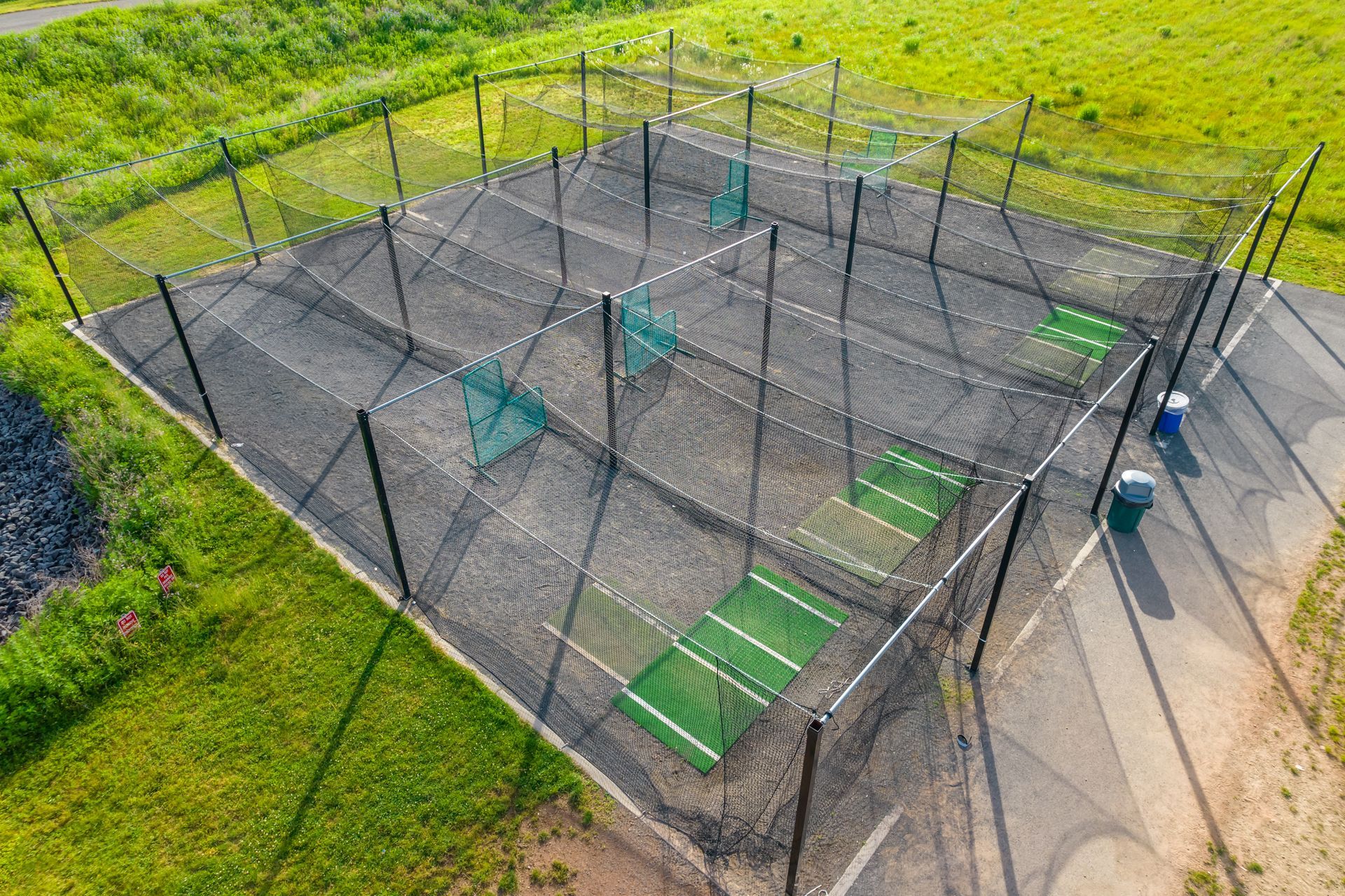
Building a batting cage facility in Texas involves more than design and construction—it requires careful navigation of permitting, zoning, and safety regulations. Whether you are planning a school facility, private training complex, or commercial sports venue, understanding batting cage permit requirements in Texas is essential to avoid costly delays, compliance issues, or even project shutdowns. At Texas Sports Turf & Netting, we guide clients through this process early, ensuring that projects move forward efficiently and meet all applicable regulations.
Texas does not have a single statewide permitting standard for sports facilities. Instead, requirements are governed at the local level, meaning cities, counties, and municipalities each enforce their own building codes, zoning ordinances, and approval processes. This decentralized system makes early planning critical. According to the Texas Department of Licensing and Regulation (TDLR) and local building authorities, failing to secure proper permits can result in fines, stop-work orders, and additional redesign costs.
For facility owners, the goal is not just approval—it’s building a compliant, safe, and long-lasting structure that aligns with local regulations and operational needs.
Understanding Local Zoning Laws for Sports Facilities
Zoning is the first and most important step in determining whether a batting cage project is even allowed on a given property. Local zoning ordinances dictate how land can be used, and not all zones permit recreational or athletic facilities.
In Texas, batting cages may fall under categories such as:
- Recreational facilities
- Commercial sports or entertainment use
- Educational or institutional use (for schools)
Each category comes with its own restrictions related to location, noise, lighting, and operating hours. For example, residential zones may prohibit commercial training facilities, while commercial zones may require additional approvals for outdoor structures.
Before moving forward, property owners should verify:
- Zoning classification of the property
- Whether batting cages are a permitted or conditional use
- Any restrictions related to noise, lighting, or traffic
Texas Sports Turf & Netting works with clients to evaluate zoning early, helping avoid situations where a project must be relocated or redesigned after planning has already begun.
Building Permits and Structural Requirements
Once zoning is confirmed, the next step is securing the appropriate building permits. Most batting cage installations—especially permanent or large-scale systems—require permits due to their structural components.
Building permits ensure that the structure meets local codes related to:
- Structural integrity and wind load resistance
- Anchoring and foundation requirements
- Electrical systems (if lighting or equipment is included)
In Texas, wind load requirements are particularly important. Outdoor batting cages must be engineered to withstand regional wind conditions, which can vary significantly depending on location. Coastal areas, for example, often have stricter requirements than inland regions.
Permit applications typically require:
- Detailed construction drawings or plans
- Engineering specifications for structural components
- Site plans showing placement and layout
Working with an experienced provider ensures that these documents are prepared correctly and submitted efficiently.
Safety Codes and Compliance Standards
Safety is a critical component of any sports facility, and batting cages are no exception. Local building departments enforce safety standards to protect both users and the surrounding areas.
Key safety considerations include:
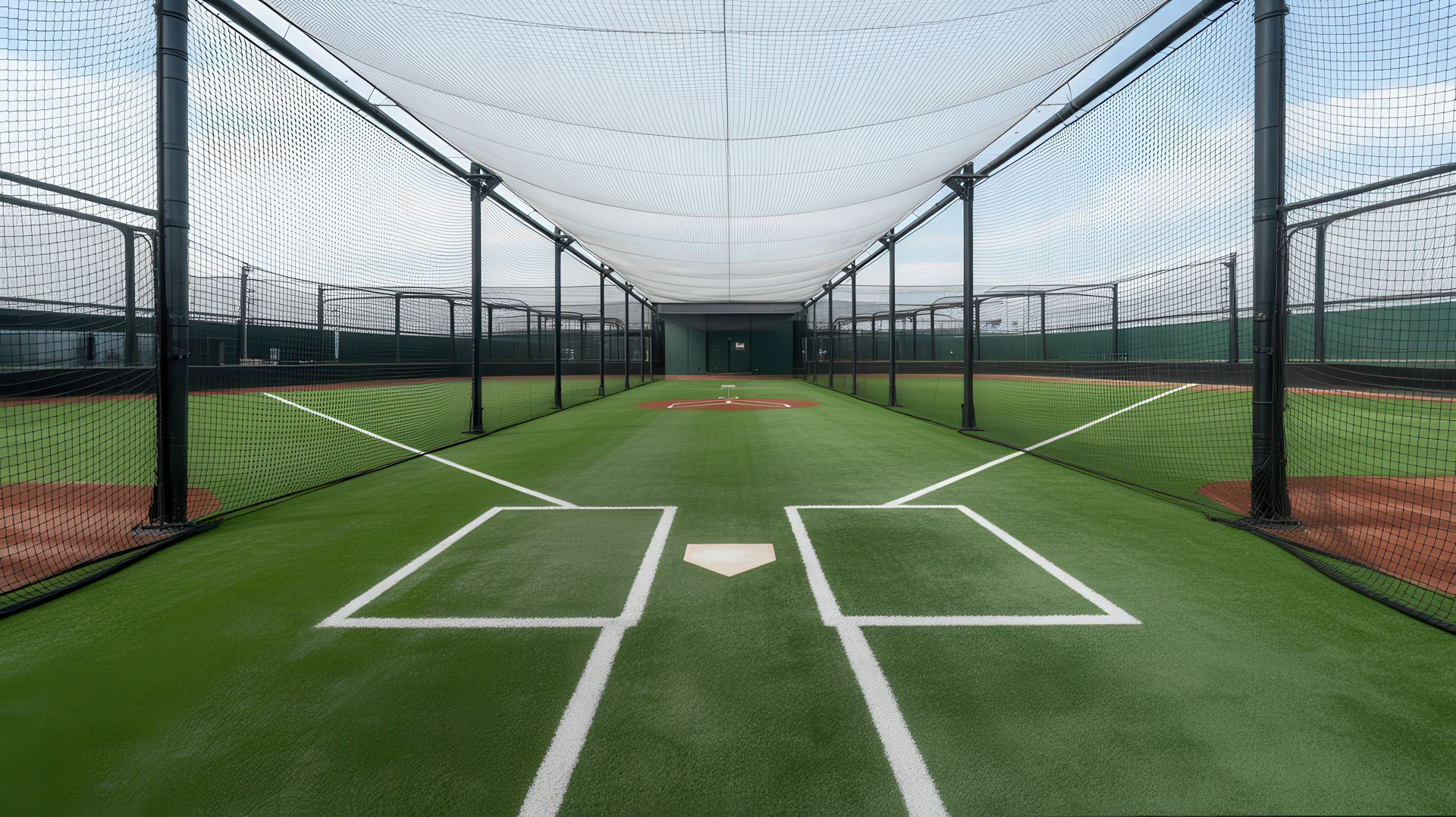
- Proper netting tension and enclosure design to contain balls
- Adequate spacing between cages and surrounding structures
- Safe access points for players and staff
In addition to local codes, facilities may also need to align with broader safety guidelines from organizations such as the American Sports Builders Association (ASBA). These standards help ensure that facilities are designed for safe and consistent use.
For school or public facilities, additional compliance requirements—such as ADA (Americans with Disabilities Act) accessibility—may apply. This can impact pathways, entry points, and overall layout. Facilities planning accessibility-friendly surfaces often review turf specifications Texas architects need to know when designing compliant athletic environments.
Electrical, Lighting, and Drainage Considerations
Many batting cage facilities include lighting systems for evening use, as well as drainage solutions for outdoor installations. These elements often require additional permits or inspections.
Electrical permits may be required for:
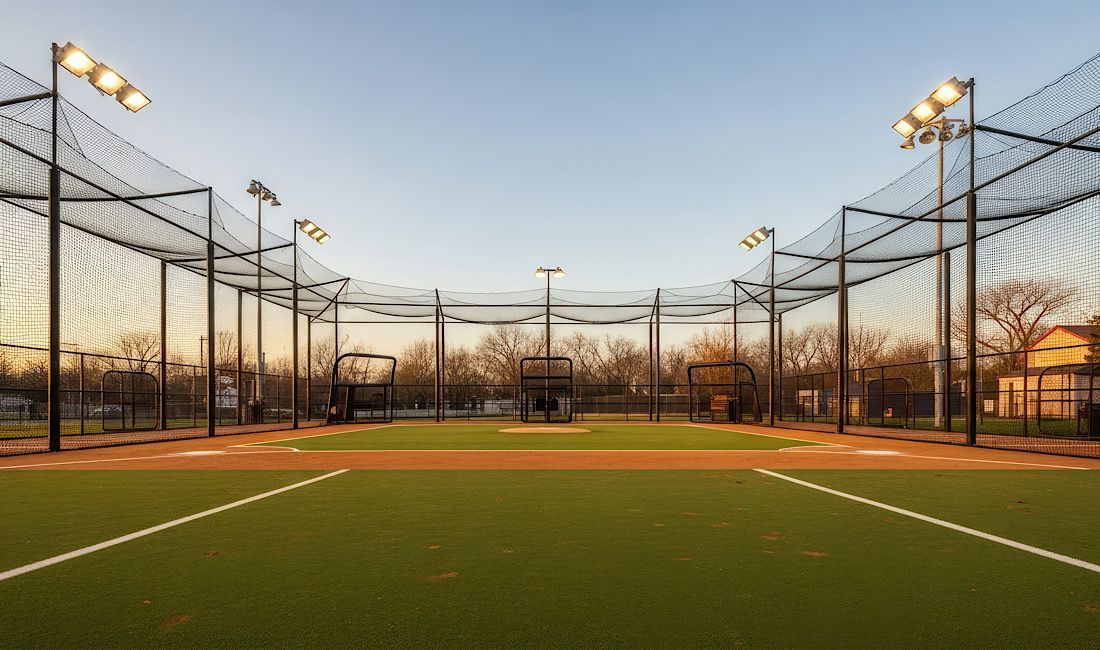
- Field lighting systems
- Scoreboards or training equipment
- Power supply for pitching machines
Drainage is another critical factor, particularly in Texas where heavy rain events can occur. Proper grading and drainage design help prevent water accumulation, which can impact both safety and long-term performance. Facilities exploring weather-resistant solutions often evaluate strategies similar to how indoor turf supports year-round training for Texas athletes to maintain consistent training environments.
Failing to address these elements during the permitting phase can lead to delays or required modifications later in the project.
HOA and Community Restrictions
For facilities located within residential developments or shared-use properties, homeowner's associations (HOAs) or community boards may impose additional requirements.
These may include:
- Restrictions on structure height or visibility
- Limitations on lighting or operating hours
- Approval processes for design and placement
Even if a project meets city or county regulations, HOA approval may still be required. Overlooking this step can result in project delays or disputes.
Timeline for Permitting in Texas
Permitting timelines in Texas can vary widely depending on the municipality and complexity of the project. Simple installations may be approved within a few weeks, while larger or more complex facilities can take several months.
A typical permitting timeline includes:
- Zoning verification and initial review: 1–2 weeks
- Plan preparation and submission: 2–4 weeks
- Permit review and approval: 2–8 weeks (or longer for complex projects)
Delays often occur due to incomplete documentation or required revisions. Starting the process early and working with experienced professionals helps minimize these risks. Facilities planning and construction timelines may also benefit from guidance on avoiding turf installation delays during project coordination.
Common Mistakes That Delay Batting Cage Projects
One of the most common issues in sports facility permits in Texas is underestimating the complexity of local regulations. Assuming that a project does not require permits—or submitting incomplete plans—can lead to significant delays.
Other common mistakes include:
- Failing to verify zoning before design begins
- Not accounting for wind load or structural requirements
- Overlooking electrical or drainage permits
These issues can result in redesigns, additional costs, or even project shutdowns if discovered during inspections.
Avoiding these pitfalls requires a proactive approach and a clear understanding of local requirements from the beginning.
Working With the Right Partner
Navigating baseball field zoning requirements and permitting processes can be complex, especially for first-time facility builders. Partnering with an experienced provider like Texas Sports Turf & Netting helps streamline the process and reduce risk.
An experienced partner can:
- Assist with zoning research and feasibility analysis
- Provide engineered plans and documentation for permits
- Coordinate with local authorities and inspectors
This level of support ensures that projects move forward efficiently and meet all regulatory requirements.
Frequently Asked Questions About Batting Cage Permits in Texas
Do I need a permit for a batting cage in Texas?
In most cases, yes—especially for permanent or large-scale installations.
Are permits the same across Texas?
No. Requirements vary by city and county, making local research essential.
How long does the permitting process take?
It can range from a few weeks to several months, depending on the project.
What happens if I skip permits?
You may face fines, stop-work orders, or required removal of the structure.
Do indoor batting cages require permits?
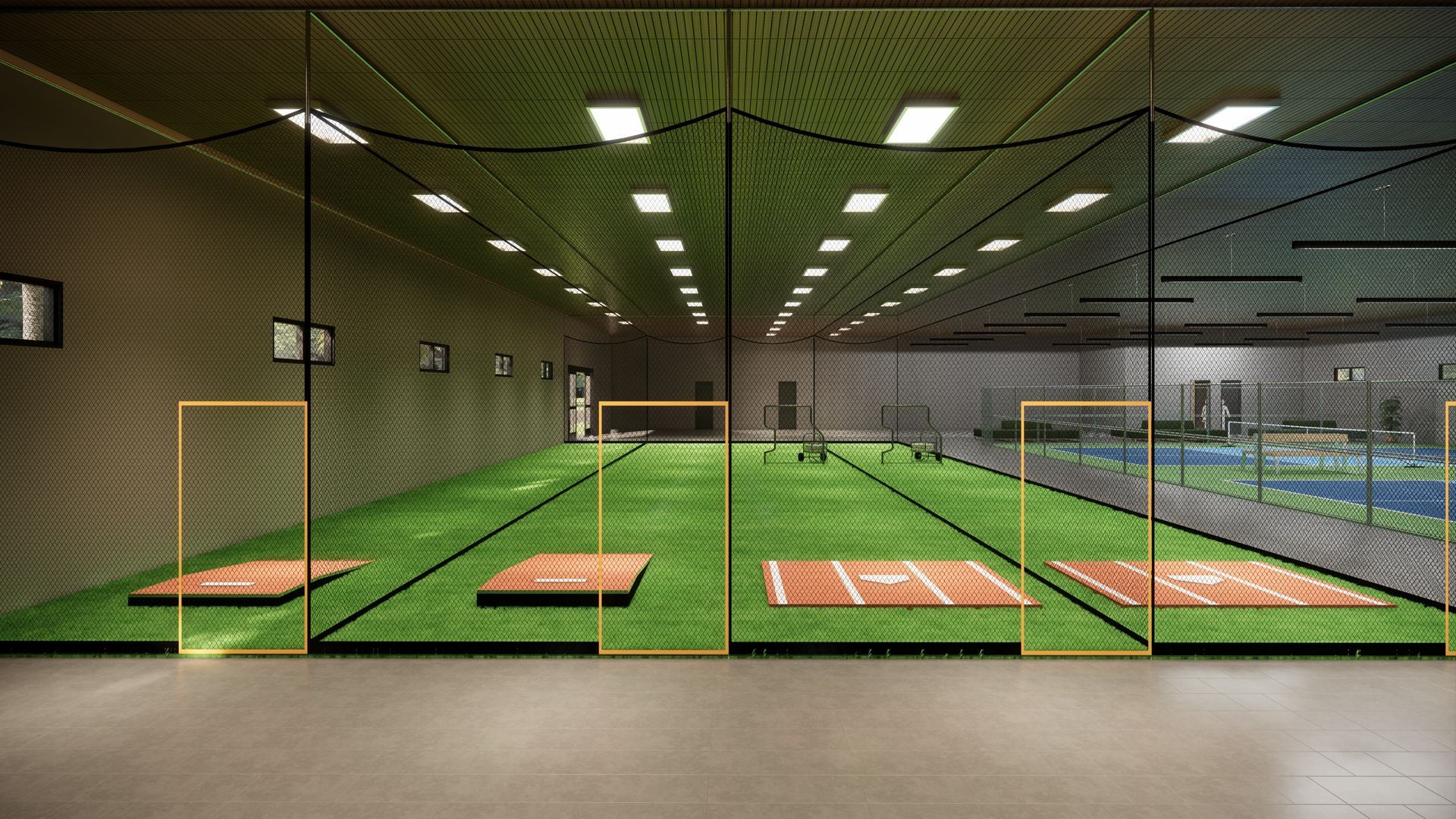
Yes, particularly if structural, electrical, or occupancy changes are involved.
Understanding and navigating batting cage permit requirements in Texas is a critical step in bringing a project from concept to completion. Texas Sports Turf & Netting helps facility owners move through this process with clarity, ensuring that every project is compliant, efficient, and built for long-term success. By addressing zoning, permitting, and safety requirements early, you can avoid delays and move forward with confidence.

Batting Cage Maintenance Checklist for Schools and Facilities: Preparing for High-Usage Fall Seasons