Retractable Batting Cage Systems for Schools and Indoor Facilities: What You Need to Know Before You Buy
Space is the resource that indoor athletic facilities never have enough of, and batting cages are one of the more space-intensive installations a school or training facility can add to an existing building. A permanent ground-level batting cage in a gymnasium or multipurpose athletic space eliminates the floor area it occupies from every other activity that space supports, which is a trade-off that most schools with limited facility square footage cannot accept. Retractable batting cage systems exist to resolve this trade-off, and when they are specified and installed correctly, they deliver genuine functionality for baseball and softball programs without permanently compromising the other uses of the space they share. When Texas Sports Turf & Netting works with schools and indoor facilities across Texas on batting cage projects, retractable systems are a frequent conversation because the space-sharing problem they solve is one that most Texas school athletic programs face.
This guide covers how retractable batting cage systems work, the space-saving benefits they provide, the safety considerations that must be addressed in the design and installation, and the planning factors that facilities need to work through before selecting and specifying a system.
How Retractable Batting Cage Systems Work
A retractable batting cage system is a batting cage assembly that can be raised to a stored position at or near the ceiling when not in use and lowered to a functional deployed position at floor level for batting practice. The mechanism that raises and lowers the cage varies between system types and manufacturers, but the fundamental operating principle is consistent across all retractable systems.
The netting and frame assembly of a retractable cage is suspended from ceiling-mounted support hardware that includes the lift mechanism, the rigging that connects the lift mechanism to the cage assembly, and the hardware that guides the cage movement between the stored and deployed positions. In the deployed position, the cage hangs from the ceiling support hardware with the netting extending to or near the floor to create the enclosed batting environment. In the stored position, the cage assembly is raised to the ceiling where it occupies a compact profile that allows the floor space beneath it to be used for other activities.
Manual retractable systems use a hand-operated crank or pulley mechanism to raise and lower the cage. These systems are typically lower in initial cost than motorized alternatives and have fewer mechanical components that require service, but they require physical effort to operate and may be slow to deploy or store, which affects how practical they are used in a facility with tight scheduling between activities.
Motorized retractable systems use an electric drive mechanism to raise and lower the cage, typically controlled by a wall-mounted switch or a remote control. Motorized systems are faster and easier to operate than manual systems, which makes them more practical in facilities where the cage needs to be deployed and stored frequently between other scheduled activities. The additional mechanical complexity of a motorized system requires periodic service of the drive mechanism, gearbox, and control system components that manual systems do not have.
The weight capacity and structural attachment requirements of a retractable batting cage system are determined by the weight of the cage assembly and the dynamic loads imposed on the ceiling support structure during operation and use. These loads must be transferred safely to the building structure, which requires that the ceiling support structure be evaluated for adequacy during the planning process rather than assumed to be sufficient. Indoor baseball facility planning for Texas programs covers the broader indoor facility planning context that the retractable batting cage system selection fits within.
Space-Saving Benefits for Multipurpose Facilities
The space-saving value of a retractable batting cage system is most apparent in facilities where the floor space the cage would occupy in its deployed position is also needed for other activities during a significant portion of the facility's operating hours.
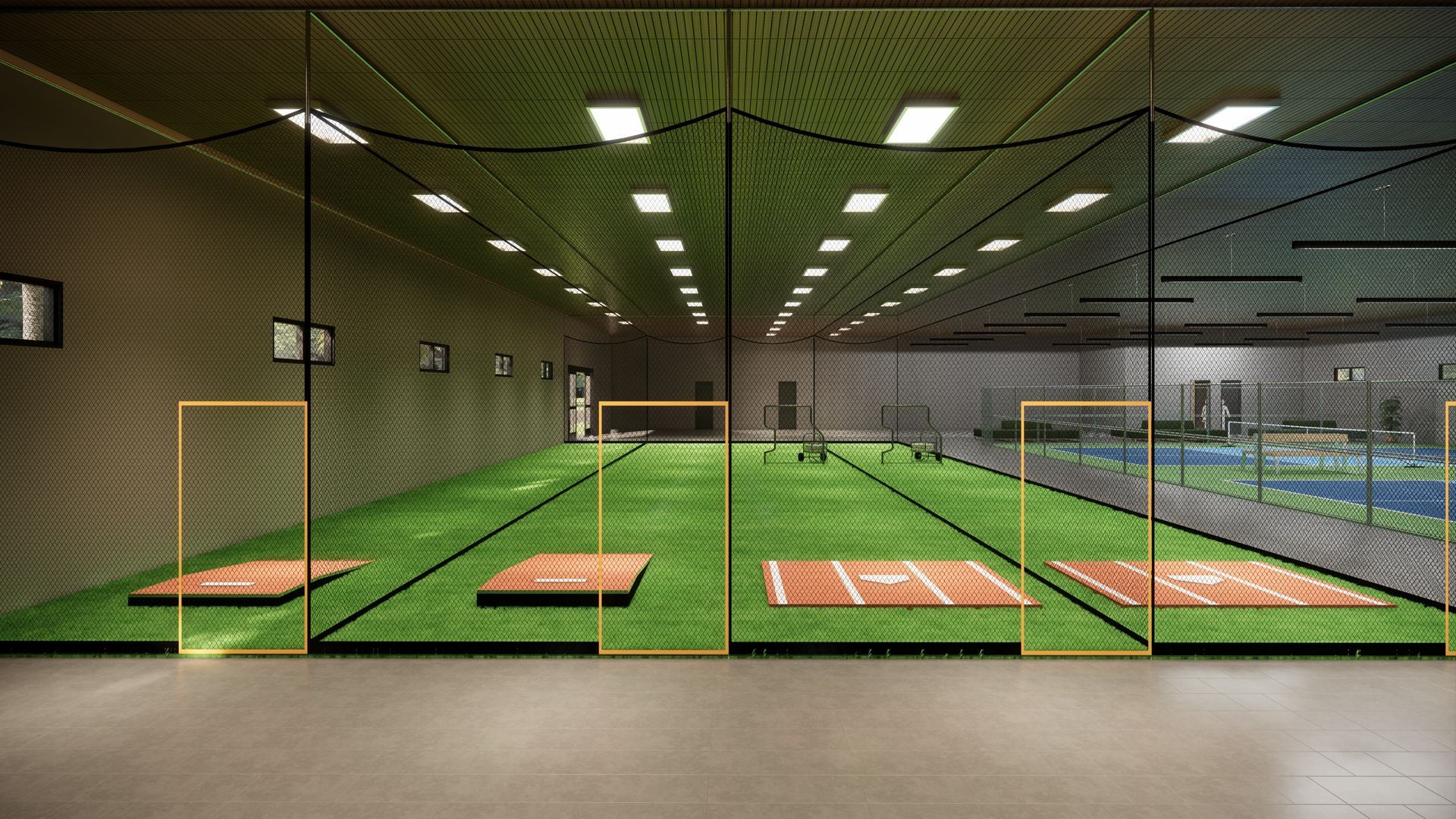
A gymnasium that hosts physical education classes, basketball practice, volleyball matches, and other activities throughout the school day, but needs to provide batting cage access for the baseball and softball programs during after-school hours, is a facility where a retractable system allows both uses to be accommodated in the same space rather than competing for separate spaces that may not exist. The cage is raised during the school day when the gym floor is needed for other activities and lowered for after-school batting practice without requiring any permanent floor space allocation to the batting cage.
For schools with constrained facility space, the alternative to a retractable system is often either a dedicated batting cage room that removes a space from other uses permanently, or no indoor batting cage at all. Neither alternative serves the program as well as a retractable system in a multipurpose space where both uses can be accommodated without permanent compromise to either.
The deployment time of the retractable system affects how practically the space-sharing benefit is realized in a facility with tight scheduling. A system that takes twenty minutes to deploy or store creates a meaningful transition buffer that reduces the available time for both activities it shares the space with. A motorized system that deploys or stores in five minutes or less integrates much more smoothly into a busy facility schedule. When evaluating retractable systems, deployment and storage time should be a specified performance requirement rather than an afterthought. Why indoor turf is the best flooring for multi-sport Texas facilities covers the flooring considerations for multipurpose spaces, where retractable batting cage planning occurs alongside.
Ceiling Height and Structural Requirements
Ceiling height is the constraint that determines whether a retractable batting cage system is feasible in a given space and which system configurations can be accommodated. A retractable system requires a ceiling height sufficient for the deployed netting height the program needs, plus the additional clearance required to store the raised cage assembly without conflict with other ceiling-mounted systems.
The deployed netting height requirement follows the same clearance standards that apply to permanent batting cage installations, with a minimum of fourteen feet for high school programs and sixteen feet or more preferred for optimal training versatility. The additional ceiling height required to store the raised cage assembly above the deployed height varies between systems and must be obtained from the system manufacturer for the specific model being evaluated.
As a general planning guideline, retractable systems typically require two to four feet of additional ceiling height above the deployed netting height to accommodate the stored assembly, which means a facility targeting a deployed netting height of fourteen feet needs a minimum of sixteen to eighteen feet of clearance above the floor to the ceiling-mounted systems that will be in the vicinity of the stored cage. This guideline varies significantly between system types and should be verified with specific dimensions from the manufacturer before the ceiling height is confirmed as adequate.
The structural adequacy of the ceiling for the loads imposed by a retractable batting cage system must be evaluated by a structural engineer before the system is specified. Retractable batting cage systems transfer loads to the ceiling structure that the building may not have been designed to support, and installing a system without confirming structural adequacy creates a safety risk that is not acceptable in an occupied athletic facility. The structural evaluation should be commissioned early in the planning process so that any required structural reinforcement can be incorporated into the project scope and budget before the system is selected and ordered. According to the American Sports Builders Association, structural assessment by a qualified engineer is a required step in the planning process for any ceiling-suspended athletic equipment installation. Batting cage permit requirements for Texas facilities cover the permitting and structural documentation requirements that apply to retractable batting cage installations in Texas.
Safety Considerations for Retractable Systems
Retractable batting cage systems introduce safety considerations beyond those of permanent ground-level installations, and these considerations must be addressed explicitly in the system design, the installation, and the operational procedures for the facility.
The stored position of a retractable cage represents a significant overhead load in a space where people are conducting other activities beneath it. The integrity of the ceiling support hardware, the rigging system, and the structural attachment points must be maintained through regular inspection and preventive maintenance to ensure that the stored cage cannot fall onto people below. A dropped retractable cage assembly in an occupied gymnasium is a catastrophic safety event, and the inspection and maintenance program for the system must be designed to prevent it.
The deployment and storage operation itself creates a moving load hazard that requires clear operational procedures for personnel and participant safety during cage movement. The area beneath the cage path during raising and lowering must be clear of people during the operation, and the control mechanism must be operated only by trained personnel who understand the system and the safety requirements of its operation. A wall-mounted control with a keyed switch or a lockout mechanism that limits operation to authorized personnel is a worthwhile safety feature for motorized systems in school facilities where unauthorized operation by students is a realistic concern.
Cable and rigging component inspection is a specific maintenance requirement for retractable systems that permanent installations do not have. The cables, pulleys, and hardware that support the cage and guide its movement experience cyclic loading with every deployment and storage operation, and these components must be inspected for wear, corrosion, and fatigue at regular intervals defined by the manufacturer. Cable replacement at the manufacturer's recommended interval, regardless of apparent condition, is a maintenance practice that prevents the type of unexpected failure that creates catastrophic safety risk.
Locking mechanisms that secure the cage in both the deployed and stored positions must be verified as functioning correctly before each use. A cage that is not properly locked in the deployed position can shift or rise during use in response to ball impact forces, creating a changing net geometry that affects ball containment and creates unpredictable behavior in the cage environment. A cage that is not properly locked in the stored position can descend unexpectedly during activities below it.
Installation Planning and Coordination
Retractable batting cage installation involves coordination between multiple trades and disciplines that must be managed carefully to produce a safe and functional result.
The structural reinforcement required by the engineer's assessment must be completed before the cage support hardware is installed, which means structural work must be scheduled and completed as a prerequisite to the cage installation rather than in parallel with it. Sequencing this work correctly requires early engagement with the structural engineer and coordination between the general contractor, the structural steel or framing contractor, and the batting cage installer.
Electrical rough-in for motorized system controls must be coordinated with the cage installation schedule so that control wiring is in place when the drive mechanism is installed. This coordination is particularly important in existing facilities where electrical rough-in may require access to ceiling plenum spaces that are also involved in the cage installation.
Conflict with existing ceiling-mounted systems, including HVAC ductwork, lighting fixtures, fire suppression sprinkler heads, and other building systems, must be identified and resolved during the planning process rather than discovered during installation. A thorough ceiling survey that documents the location, elevation, and clearance requirements of all existing ceiling-mounted systems is the planning foundation for routing the cage support structure and travel path without conflict. Comparing indoor turf to rubber and carpet for athletic use covers the flooring system considerations that retractable batting cage installation must be coordinated with for multipurpose athletic spaces.
Frequently Asked Questions About Retractable Batting Cage Systems for Schools and Indoor Facilities
How much ceiling height do I need for a retractable batting cage system?
A retractable batting cage system requires a ceiling height sufficient for the deployed netting height the program needs, plus additional clearance for the stored cage assembly and any ceiling-mounted systems in the vicinity of the stored position. As a general guideline, retractable systems require two to four feet of additional ceiling height above the deployed netting height for storage, so a facility targeting a fourteen-foot deployed netting height needs approximately sixteen to eighteen feet of clear ceiling height. This range varies significantly between systems, and specific dimensions must be obtained from the manufacturer for the system being evaluated and verified against the actual ceiling conditions at the facility.
Does a retractable batting cage require a structural engineer assessment?
Yes. A structural engineer's assessment of the ceiling structure is a required step in the planning process for any retractable batting cage installation. Retractable systems transfer significant loads to the ceiling structure during use and when stored, and the building structure must be confirmed as adequate to support these loads before the system is installed. Installing a retractable system without a structural assessment creates a safety risk that is not acceptable in an occupied athletic facility. Any structural reinforcement identified by the engineer must be completed before the cage support hardware is installed.
What is the difference between manual and motorized retractable batting cage systems?
Manual retractable systems use a hand-operated crank or pulley mechanism that requires physical effort to raise and lower the cage, while motorized systems use an electric drive controlled by a switch or remote. Motorized systems are faster, easier to operate, and more practical in facilities where the cage is deployed and stored frequently between scheduled activities. Manual systems have a lower initial cost and fewer mechanical components requiring service. The choice between manual and motorized depends on how frequently the cage will be raised and lowered, the physical capability of the personnel who will operate it, and the budget available for the system and its ongoing maintenance.
How long does it take to deploy or store a retractable batting cage?
Deployment and storage time varies between systems, with motorized systems typically operating in three to ten minutes and manual systems taking longer, depending on the cage size and the mechanical advantage of the lift mechanism. In facilities with tight scheduling between activities, deployment and storage time is a meaningful operational consideration that affects how practically the retractable system serves the space-sharing goal it was installed to achieve. Specifying a maximum deployment and storage time as a performance requirement when evaluating systems ensures that the selected system will integrate practically into the facility's schedule rather than creating excessive transition time between activities.
What maintenance does a retractable batting cage system require?
Retractable batting cage systems require all of the maintenance associated with permanent batting cage installations, plus additional maintenance specific to the retractable mechanism. Cable and rigging inspection at intervals defined by the manufacturer, lubrication of pulleys and mechanical components, inspection and testing of locking mechanisms in both the deployed and stored positions, and for motorized systems, inspection and service of the drive mechanism and control system are all maintenance requirements that permanent installations do not have. A written maintenance schedule based on the manufacturer's recommendations should be established at installation and followed consistently throughout the system's service life.
Can a retractable batting cage be installed in any gymnasium?
A retractable batting cage can be installed in a gymnasium that has adequate ceiling height for the deployed and stored positions, structural capacity in the ceiling to support the cage loads, and ceiling geometry that allows the support hardware and cage travel path to be routed without conflict with existing ceiling-mounted systems. Not every gymnasium meets all of these conditions without modification, and the planning process must confirm each condition before the system is specified and ordered. Gymnasiums with ceiling heights below the minimum for the desired deployed netting height, with structural systems that cannot support the required loads without significant reinforcement, or with ceiling-mounted systems that cannot be relocated to accommodate the cage travel path, may not be practical candidates for retractable batting cage installation without significant facility modification. Contact Texas Sports Turf & Netting to discuss whether a retractable batting cage system is feasible for your specific facility.
Space-Sharing Done Right Starts With the Right Planning
A retractable batting cage system that is properly planned, structurally supported, safely installed, and consistently maintained delivers genuine space-sharing functionality that serves both the athletic program and the facility's other users. Getting the planning right before the system is specified is what makes that outcome reliable rather than hopeful. Call Texas Sports Turf & Netting at 281-215-6273 or reach out online to discuss retractable batting cage options for your school or indoor facility.

Batting Cage Maintenance Checklist for Schools and Facilities: Preparing for High-Usage Fall Seasons