Batting Cage Planning Guide for Texas Facilities: From Concept to Construction
Planning a batting cage facility in Texas—whether for a school, training complex, or private organization—requires more than just selecting netting and installing posts. It is a multi-phase process that involves site evaluation, design strategy, budgeting, compliance, and long-term performance planning. At Texas Sports Turf & Netting, batting cage projects are approached as complete systems, ensuring that each installation supports athlete development, safety, and durability in Texas’s demanding climate.
From intense heat and UV exposure to wind loads and year-round usage, Texas conditions require thoughtful material selection and structural planning. According to the American Sports Builders Association (ASBA), sports facility construction must prioritize safety, durability, and proper layout to ensure both performance and longevity. A well-planned batting cage is not just a practice space—it is an investment in athlete development and facility value.
This guide walks through the full process of batting cage planning in Texas, helping decision-makers move from initial concept to successful construction with clarity and confidence.
Defining Your Facility Goals and Use Case
The first step in any successful batting cage project is clearly defining how the facility will be used. Not all cages are built for the same purpose, and understanding your goals will shape every decision that follows.
For schools, the focus is often on accommodating team practices with multiple athletes rotating through drills efficiently. Training facilities may prioritize individual instruction, requiring specialized layouts and equipment. Recreational or multi-use facilities may need flexible configurations that support both baseball and softball.
Key planning considerations include:
- Number of users and peak usage times
- Type of training (team practice, private instruction, or mixed use)
- Indoor vs. outdoor installation
Clarifying these factors early ensures that the design aligns with operational needs rather than requiring adjustments later.
Site Selection and Layout Planning
Site selection plays a critical role in the success of a batting cage project. In Texas, environmental factors such as sun orientation, wind exposure, and drainage must be carefully evaluated before construction begins.
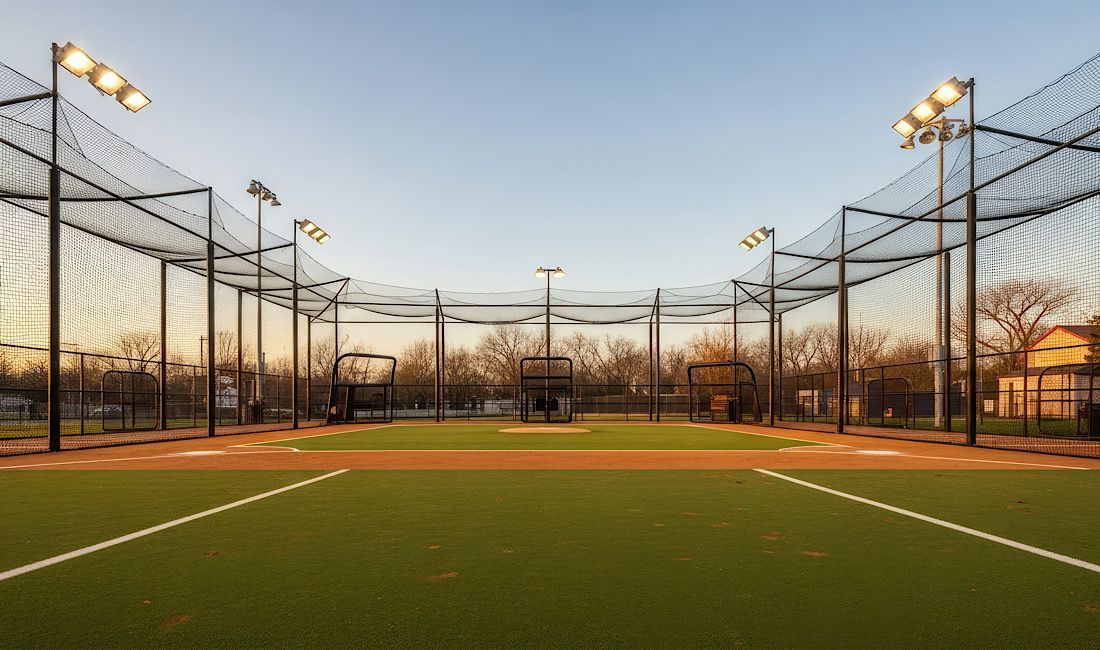
Outdoor facilities should be positioned to minimize direct sun interference for batters and pitchers, particularly during peak training hours. Wind direction is also important, as strong gusts can impact both player performance and netting systems.
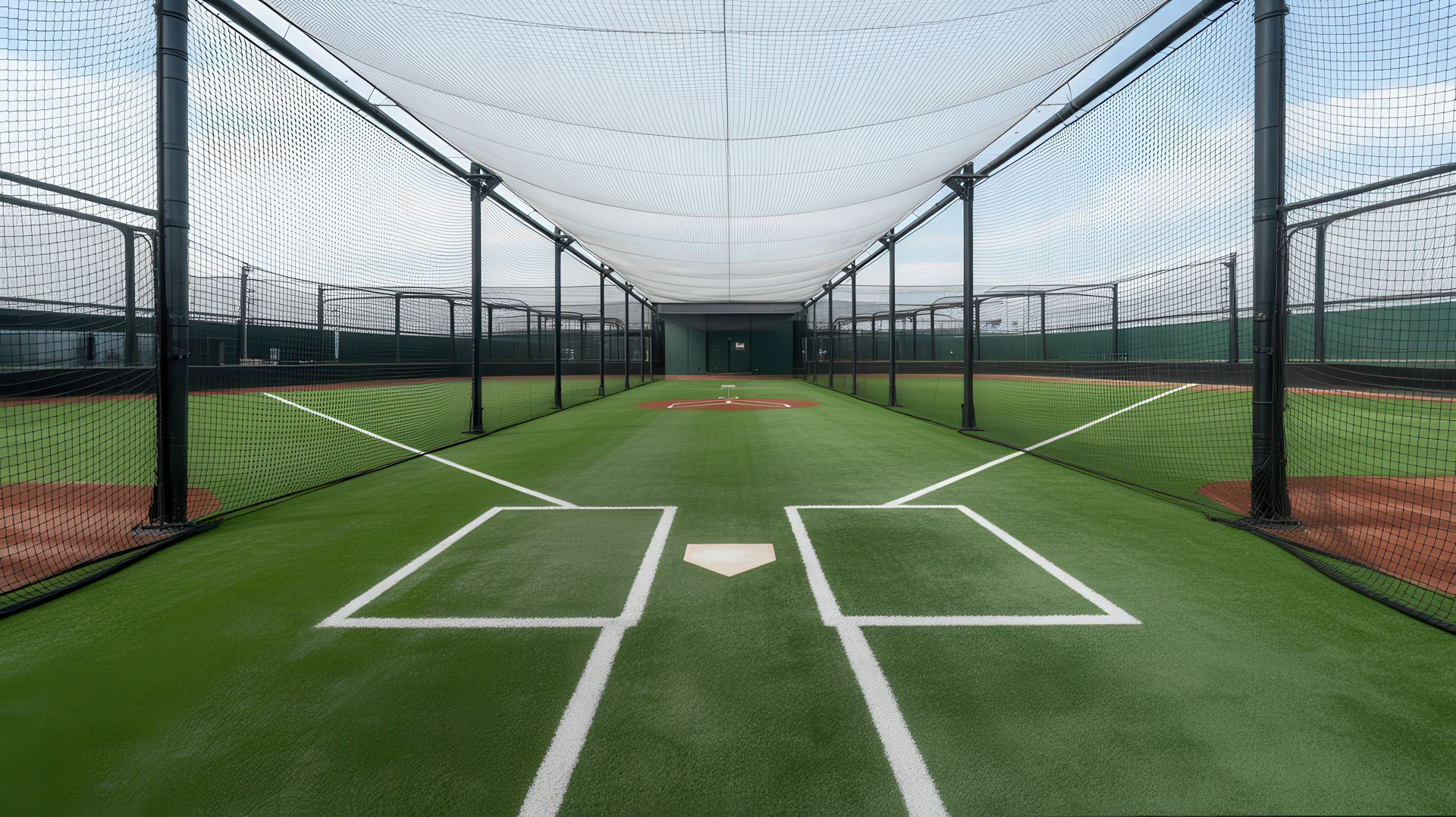
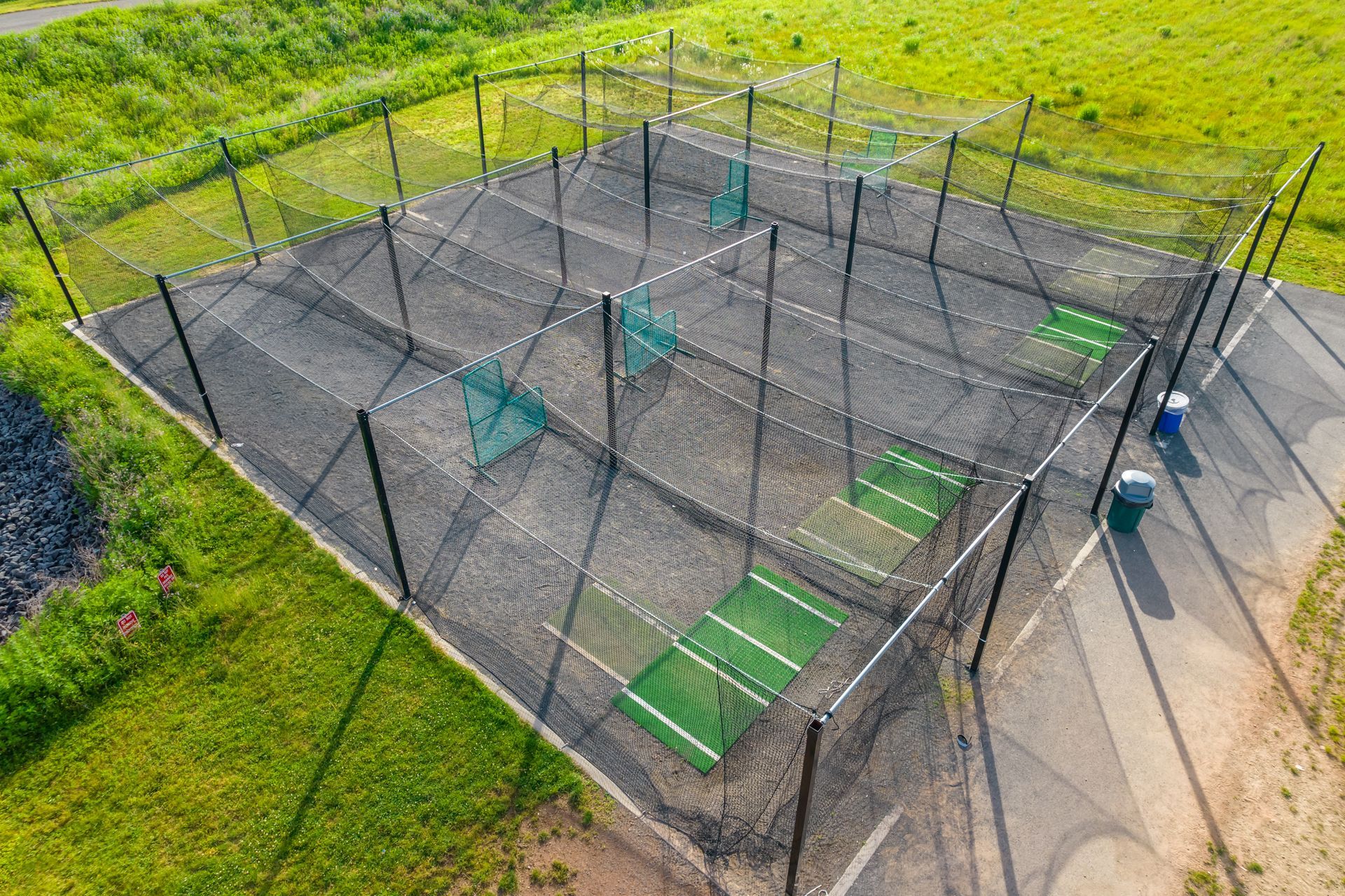
Layout planning determines how efficiently the space will function. Standard cage widths typically range from 12 to 14 feet, with lengths between 55 and 70 feet depending on the level of play. Facilities with multiple cages often benefit from parallel layouts with shared structural systems to maximize space and reduce costs.
Important layout elements include:
- Adequate spacing between cages for safety and access
- Clear entry and exit points for athletes and coaches
- Integration with surrounding fields or training areas
Texas Sports Turf & Netting works with facilities to design layouts that balance efficiency, safety, and long-term usability.
Choosing the Right Batting Cage Design
A well-executed baseball cage design guide goes beyond dimensions. It considers structural systems, netting quality, and user experience.
Facilities exploring custom turf cages for Texas baseball clubs often find that thoughtful design decisions significantly improve long-term performance and usability.
There are two primary structural approaches:
- Freestanding systems, which offer flexibility and are ideal for open outdoor spaces
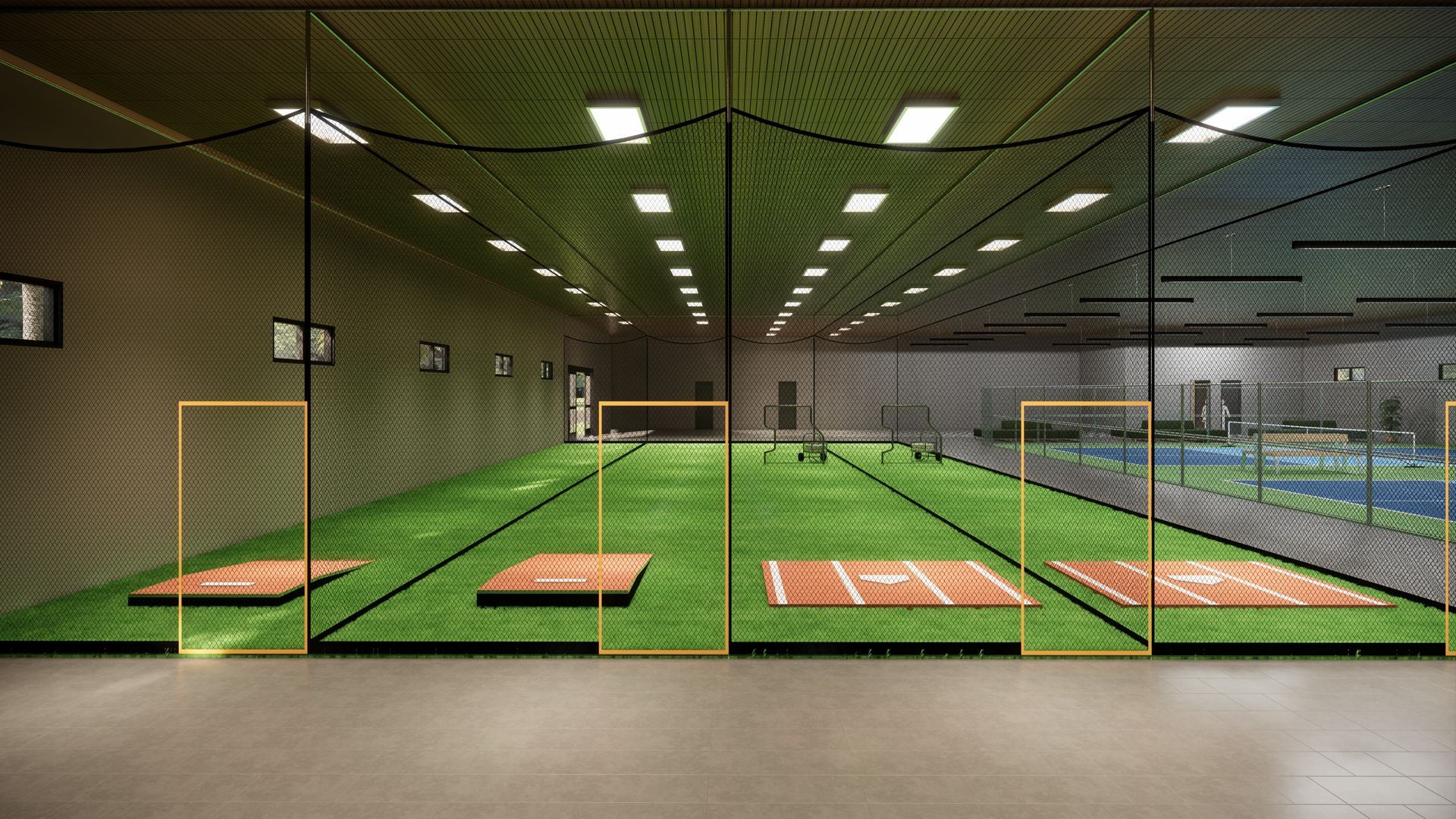
- Integrated systems, which attach to existing buildings or structures for indoor facilities
Netting is another critical component. High-quality, UV-resistant netting is essential in Texas to prevent premature wear from sun exposure. The gauge and material of the netting should be selected based on usage intensity and expected lifespan.
Additional design features may include:
- L-screens and pitching machines for training versatility
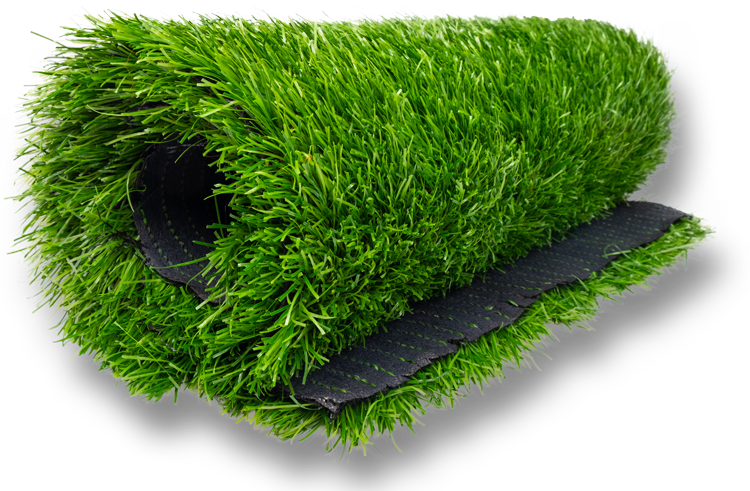
- Turf or clay surfaces, depending on player preference
- Overhead or retractable netting systems for multi-use spaces
Selecting the right design ensures that the facility meets both current needs and future growth.
Budgeting and Cost Considerations
Understanding batting cage construction cost in Texas is essential for setting realistic expectations and avoiding unexpected expenses. Costs can vary widely depending on size, materials, and site conditions.
Typical cost components include:
- Structural framework and support systems
- Netting and hardware
- Site preparation, including grading and drainage
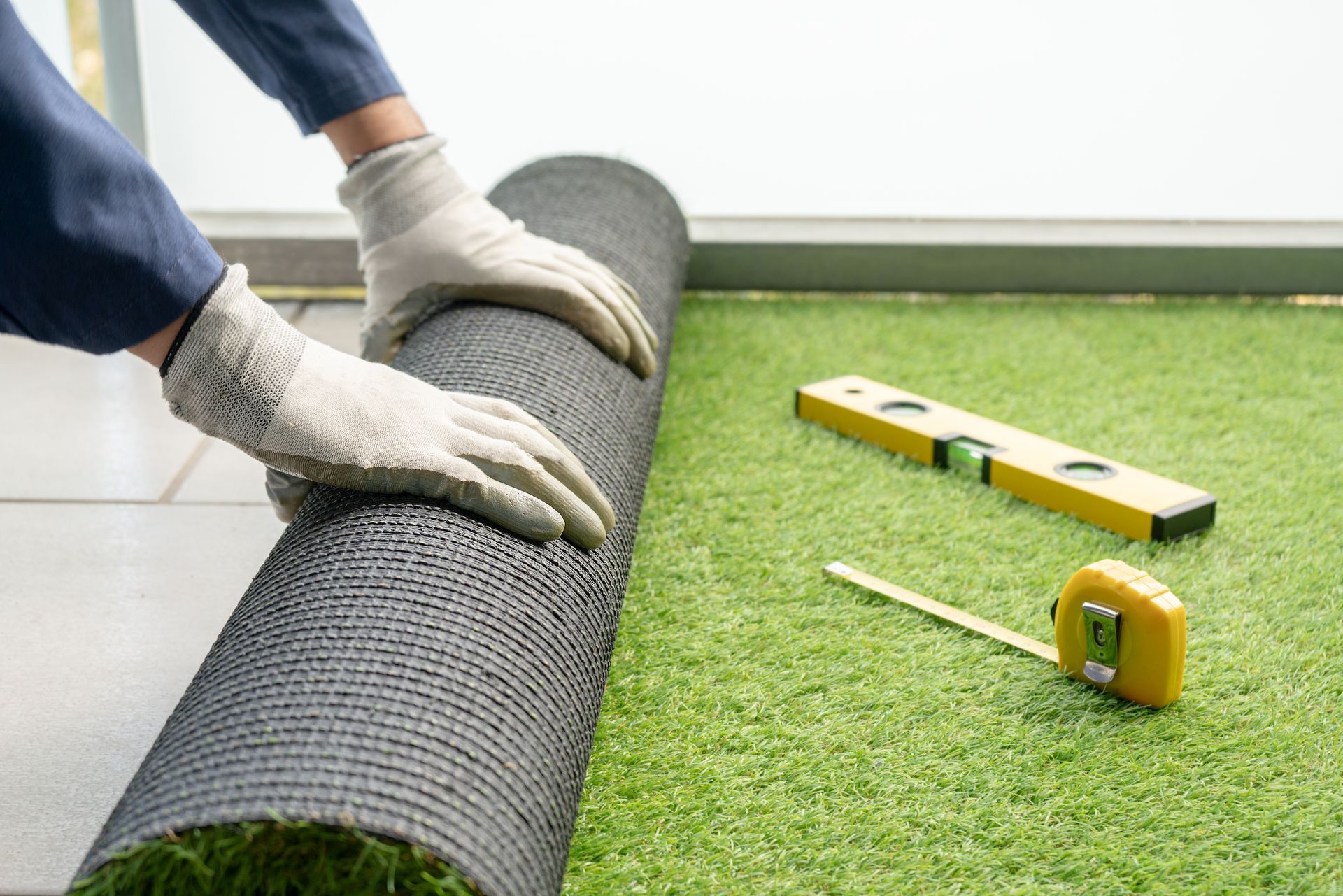
- Surfacing materials such as turf or clay
As a general range, smaller single-lane cages may start around $10,000–$25,000, while multi-lane or fully customized facilities can exceed $75,000+. Indoor installations or facilities with advanced features may increase costs further.
Facilities considering indoor environments often evaluate options like indoor turf for multi-sport training in Texas to improve durability and year-round usability.
Labor and material costs in Texas can fluctuate based on location and project complexity. Working with an experienced provider like Texas Sports Turf & Netting helps ensure that budgets are aligned with realistic project scopes.
Timelines: From Planning to Installation
Batting cage projects follow a structured timeline that includes planning, design, procurement, and construction phases. Understanding this timeline helps facilities coordinate scheduling and avoid delays.
A typical project timeline includes:
- Initial consultation and planning: 2–4 weeks
- Design development and approvals: 2–6 weeks
- Material procurement and scheduling: 2–4 weeks
- Installation and construction: 1–3 weeks
Weather, permitting, and material availability can impact timelines, particularly for outdoor installations. Starting the planning process early—especially before peak sports seasons—helps ensure timely completion.
Safety, Compliance, and Durability
Safety is a non-negotiable aspect of batting cage design. Facilities must ensure that structures are properly engineered to withstand environmental conditions and repeated use.
In Texas, this includes accounting for:
- Wind load requirements for outdoor structures
- UV exposure can degrade materials over time
- Proper anchoring and tensioning of netting systems
Compliance with local building codes and school district requirements may also be necessary, depending on the project. Texas Sports Turf & Netting prioritizes these considerations to ensure that every installation meets industry standards.
Selecting the Right Contractor or Partner
Choosing the right contractor is one of the most important decisions in the planning process. A qualified partner brings not only installation expertise but also guidance on design, materials, and long-term performance.
When evaluating contractors, facilities should look for:
- Experience with sports facility construction
- Knowledge of Texas-specific environmental conditions
- Proven track record with similar projects
It is also important to review past work, request references, and ensure that proposals clearly outline scope, materials, and timelines. Facilities seeking comprehensive solutions often benefit from professional athletic turf services that support performance, safety, and durability.
Working with a specialized provider like Texas Sports Turf & Netting ensures that every phase—from concept to construction—is handled with expertise and attention to detail.
Common Planning Mistakes to Avoid
Even well-intentioned projects can run into challenges without proper planning. One of the most common mistakes is underestimating space requirements, leading to cramped layouts that limit usability.
Another issue is selecting materials that are not suited for Texas conditions, resulting in premature wear or increased maintenance costs. Inadequate site preparation—particularly drainage—can also lead to long-term performance issues.
Avoiding these mistakes requires a comprehensive approach that considers both immediate needs and future use.
Frequently Asked Questions About Batting Cage Planning
How much space do I need for a batting cage?
Most cages require at least 12–14 feet in width and 55–70 feet in length.
Should I choose indoor or outdoor cages?
This depends on usage, budget, and available space. Indoor facilities offer year-round use, while outdoor cages are often more cost-effective.
What type of netting is best for Texas?
UV-resistant, high-quality netting is essential for durability in Texas conditions.
How long does installation take?
Most installations are completed within one to three weeks after planning and procurement.
When should I start planning a project?
Ideally, several months before your desired completion date to allow for design and scheduling.
Planning a batting cage facility in Texas requires a strategic, step-by-step approach that balances design, budget, and long-term performance. Texas Sports Turf & Netting helps schools, training facilities, and organizations navigate this process with confidence, delivering solutions that are built to last and designed to perform. Whether you are starting from concept or refining an existing plan, having the right partner ensures that your investment delivers value for years to come.

Batting Cage Maintenance Checklist for Schools and Facilities: Preparing for High-Usage Fall Seasons