Indoor vs Outdoor Sports Turf: Choosing the Right Solution

Choosing between indoor sports turf and outdoor synthetic turf is a major decision for gyms, training centers, schools, and sports complexes across Texas. Each option offers distinct advantages, and the right choice depends on how the space will be used, who will use it, and the environmental conditions it must withstand. With Texas facilities facing year-round demand, extreme heat, and increasingly diverse athletic programming, understanding the differences between indoor and outdoor turf systems is essential before committing to a project.
Texas Sports Turf & Netting works with facility owners and administrators throughout the state who are weighing these options for performance training, multi-sport use, and long-term durability. One of the most common challenges we see is attempting to use a single turf solution for every application. Indoor and outdoor environments place very different demands on turf systems, and selecting the wrong type can lead to premature wear, safety concerns, and higher lifetime costs. A consultative approach that aligns turf selection with usage goals is the most reliable way to protect the investment.
According to the Synthetic Turf Council, modern turf systems are engineered for highly specific environments. Indoor turf prioritizes shock absorption, traction, and aesthetics, while outdoor synthetic turf must address UV exposure, drainage, and weather resilience. Understanding these differences upfront allows facilities to design spaces that perform as intended from day one.
Understanding Indoor Sports Turf Applications
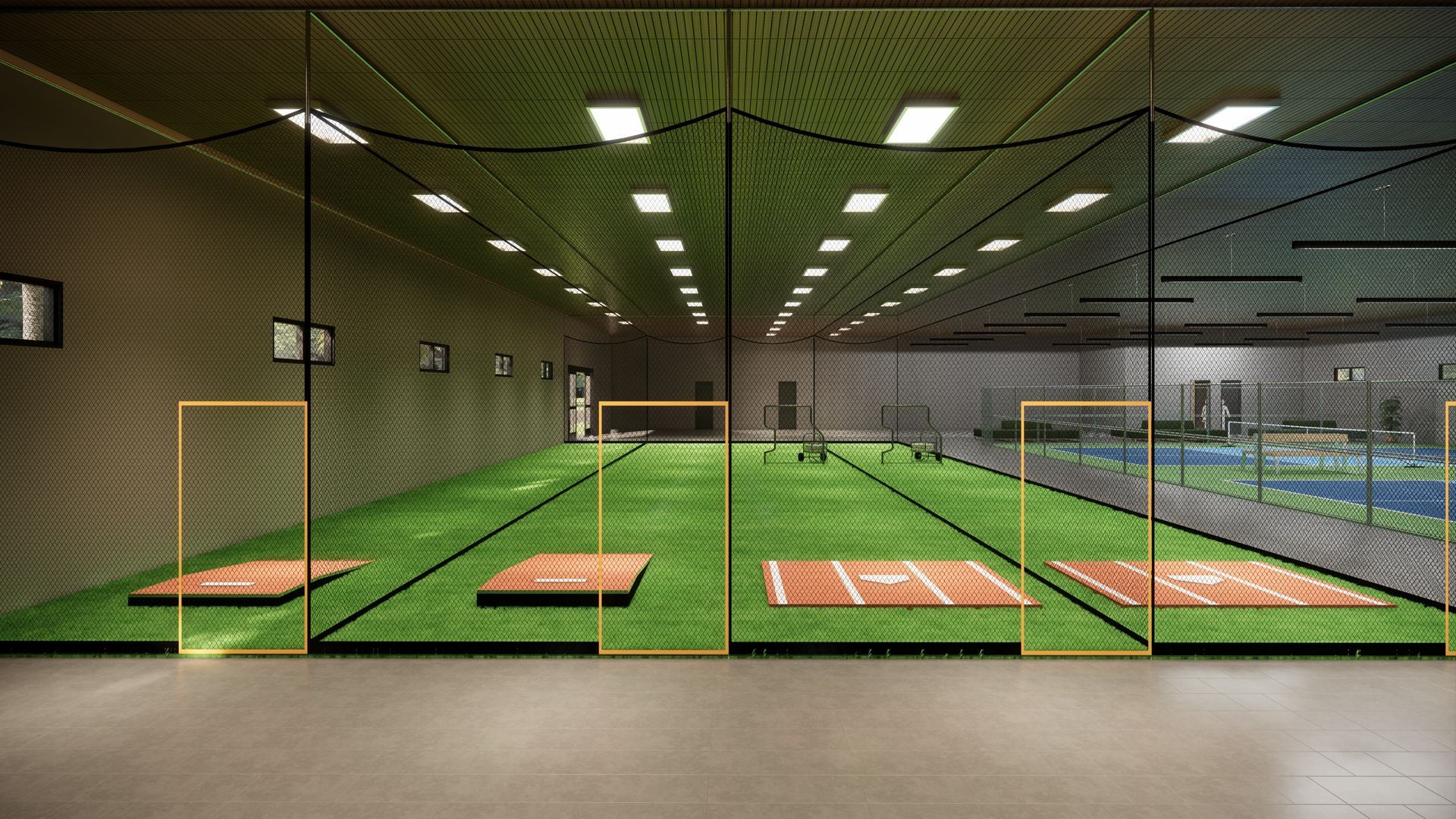
Indoor sports turf is commonly used in gyms, performance training facilities, indoor fields, and multipurpose athletic spaces. Because it is installed in climate-controlled environments, indoor turf does not face the same environmental stressors as outdoor systems. Instead, its design focuses on athlete safety, comfort, and adaptability for multiple training formats.
Indoor sports turf is frequently selected for:
- Strength and conditioning areas
- Speed, agility, and plyometric training
- Indoor soccer, baseball, or football training
One of the defining features of indoor turf is its padding system. Shock pads and foam layers are often integrated beneath the turf to reduce impact on joints during repetitive training. According to research cited by the National Strength and Conditioning Association, surfaces with appropriate force reduction can help lower injury risk during high-intensity workouts. This makes gym turf installation particularly attractive for facilities emphasizing athlete development and injury prevention.
Indoor turf also offers significant flexibility in design. Custom colors, logos, and field markings can be incorporated without concern for fading from sunlight. From firsthand experience, training facilities that invest in branded indoor turf often find that it enhances both athlete experience and facility identity.
Outdoor Synthetic Turf for Texas Facilities
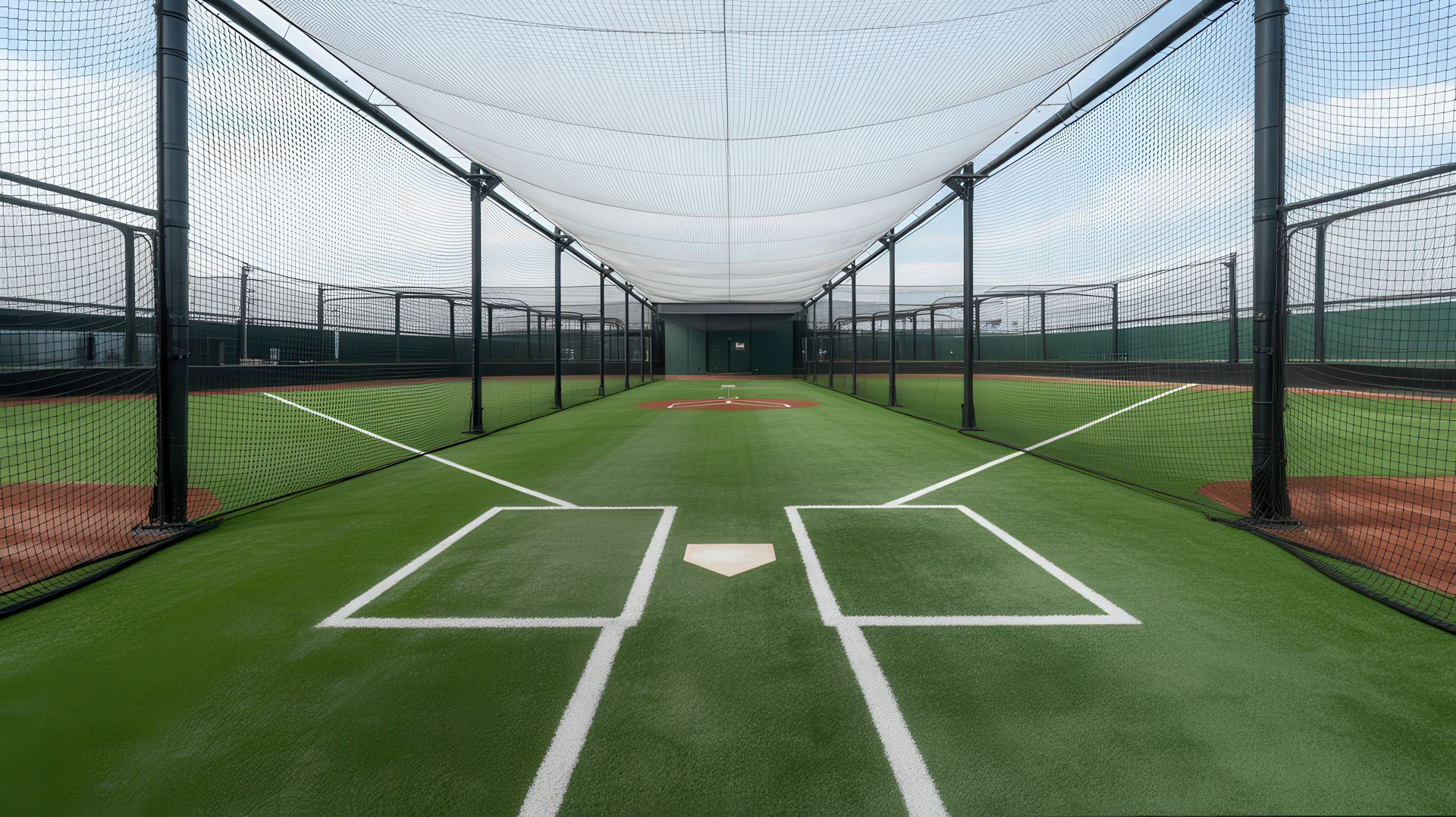
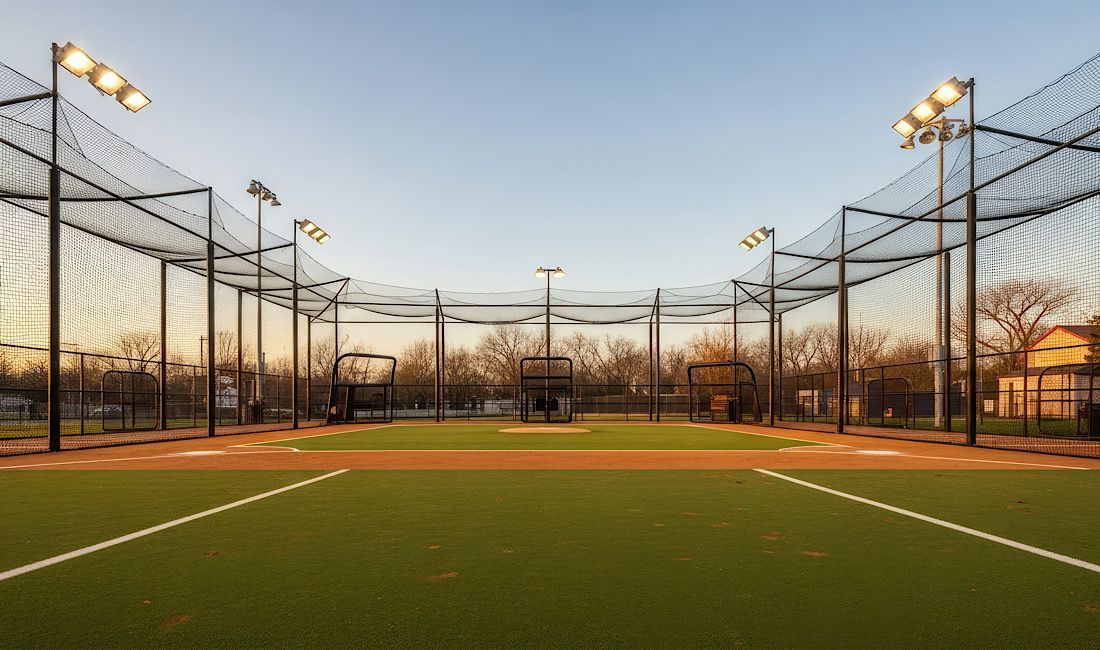
Outdoor synthetic turf is designed to withstand the full range of Texas weather conditions, from extreme summer heat to heavy rain and wind. Unlike indoor turf, outdoor systems must manage drainage, UV exposure, and temperature fluctuations while supporting consistent play across long seasons.
Outdoor synthetic turf is commonly used for:
- Football, soccer, and baseball fields
- Multi-sport school and municipal complexes
- Outdoor training and recreational areas
One of the primary advantages of outdoor synthetic turf is its ability to support heavy use with minimal downtime. According to the Sports Turf Managers Association, synthetic fields can host significantly more hours of play per year than natural grass without the same recovery limitations. In Texas, where fields are often used year-round, this durability is a key factor in the decision-making process.
However, outdoor turf planning requires careful attention to base construction and drainage. Texas soil conditions vary widely, with expansive clays common in many regions. Proper sub-base design ensures surface stability and prevents shifting over time. Outdoor turf systems also rely on UV-stabilized fibers and infill materials designed to resist degradation from prolonged sun exposure.
Climate and Environmental Considerations in Texas
Climate plays a critical role when comparing indoor and outdoor turf solutions. Indoor turf benefits from controlled temperature and humidity, which helps preserve fiber integrity and reduces maintenance demands. Outdoor turf, by contrast, must be engineered specifically for Texas environmental extremes.
Key climate-related factors include:
- High surface temperatures during the summer months
- Sudden, intense rainfall events
- Prolonged UV exposure
Texas A&M AgriLife Extension research highlights how UV radiation accelerates material fatigue in outdoor installations. For this reason, outdoor synthetic turf systems incorporate UV inhibitors and heat-resistant components. While surface temperature remains a consideration, proper infill selection and irrigation strategies can help mitigate heat buildup.
Indoor turf avoids these challenges entirely, making it an appealing option for facilities focused on consistent training conditions. However, indoor environments may require more frequent cleaning due to higher concentrations of use in confined spaces.
Usage Intensity and Athlete Experience
How a facility will be used is often the deciding factor between indoor and outdoor turf. Indoor turf is ideal for controlled training sessions, rehabilitation, and skill development. Outdoor turf excels in full-field play, competition, and large-group activities.
Facilities should evaluate:
- Number of users per day
- Types of activities performed
- Footwear requirements and traction needs
From practical experience, gyms and performance centers often prefer indoor turf because it accommodates sled pushes, agility drills, and functional fitness movements. Outdoor turf, on the other hand, is better suited for cleats, high-speed play, and sport-specific training.
Athlete perception also matters. Indoor turf provides a clean, professional appearance that many athletes associate with elite training environments. Outdoor turf offers the familiarity of traditional field play with the added benefit of consistent surface conditions.
Installation and Timeline Differences
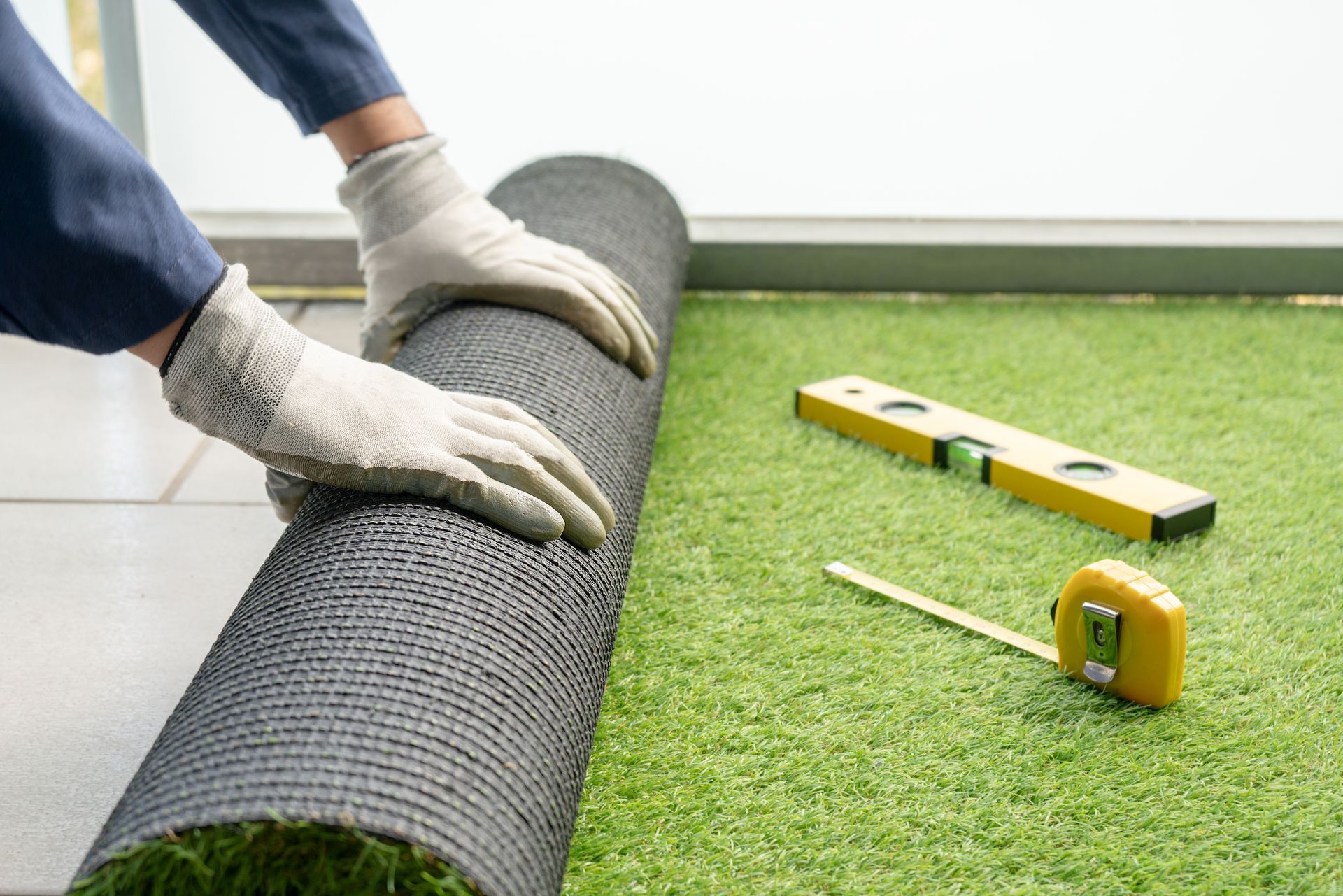
Gym turf installation and outdoor synthetic turf installation differ significantly in scope and timeline. Indoor projects are generally faster, with fewer permitting requirements and less site preparation. Many indoor turf installations can be completed within days once the space is prepared.
Outdoor projects involve:
- Site grading and drainage design
- Base construction and compaction
- Turf installation and infill application
According to industry benchmarks from the Synthetic Turf Council, outdoor turf projects typically require several months from planning to completion, depending on site conditions and weather. In Texas, coordinating construction around school calendars and sports seasons is especially important.
Indoor installations offer greater scheduling flexibility, making them a popular choice for facilities looking to minimize downtime.
Maintenance and Long-Term Costs
Both indoor and outdoor turf systems offer lower maintenance demands than natural grass, but their needs differ. Indoor turf requires routine cleaning, brushing, and occasional disinfection due to higher contact levels. Outdoor turf maintenance focuses on infill management, debris removal, and periodic inspections.
Long-term cost considerations include:
- Expected lifespan of the turf system
- Maintenance labor and equipment
- Replacement planning
The Synthetic Turf Council notes that synthetic turf systems typically last eight to fifteen years, depending on usage and maintenance. Indoor turf often experiences less environmental wear, which can extend its usable life when properly maintained.
Outdoor turf provides significant savings in water and chemical use, an important factor for Texas facilities facing water restrictions and sustainability goals.
Choosing the Right Solution for Your Facility
The decision between indoor and outdoor sports turf should be guided by function, not trends. Some facilities benefit from a hybrid approach, incorporating both indoor turf training areas and outdoor synthetic fields to support year-round programming.
Texas Sports Turf & Netting works with gyms, schools, and sports complexes across Texas to evaluate usage needs, space constraints, and long-term goals before recommending a turf solution. This consultative process helps ensure that each installation aligns with how the space will actually be used, rather than forcing a one-size-fits-all approach. Engaging experienced professionals early allows facility owners to avoid costly redesigns and select turf systems that deliver lasting value.
Frequently Asked Questions About Indoor and Outdoor Sports Turf
Is indoor sports turf suitable for cleats?
Some indoor turf systems can accommodate specific cleats, but most are designed for turf shoes or trainers. Usage should be discussed during planning.
Does outdoor synthetic turf require watering?
While it does not need irrigation for growth, occasional watering may be used to cool the surface or clean the field.
Which turf option lasts longer?
Lifespan depends on usage and maintenance. Indoor turf often experiences less environmental stress, while outdoor turf is built for heavier wear.
Can indoor turf be customized with logos and markings?
Yes. Indoor turf offers extensive customization options for branding and training layouts.
Is outdoor turf safe for year-round play in Texas?
When properly designed and installed, outdoor synthetic turf fields can safely support year-round use across Texas.
Facilities that carefully compare indoor and outdoor turf options are far more likely to select solutions that support athlete performance, operational efficiency, and long-term durability. By aligning turf choice with climate, usage, and facility goals, Texas organizations can create athletic environments that perform consistently and adapt to evolving demands. Working with knowledgeable professionals who understand both indoor and outdoor systems ensures that each project delivers the right solution for today and for years to come.


Batting Cage Maintenance Checklist for Schools and Facilities: Preparing for High-Usage Fall Seasons