Spring Sports Are Here: Is Your Turf Field Game-Ready?

Spring is one of the busiest seasons for athletic facilities across Texas. Baseball, softball, soccer, track, and multi-sport programming all ramp up at the same time, placing heavy demands on turf fields and netting systems. After months of winter use, fluctuating temperatures, and off-season weather exposure, even well-built surfaces can develop issues that affect performance and safety. For schools, municipalities, and sports complexes, proactive turf field maintenance in Texas is essential to ensure fields are truly game-ready before peak spring schedules begin.
Texas Sports Turf & Netting regularly assists facilities that assume synthetic turf requires little to no attention between seasons. While synthetic surfaces are far more durable than natural grass, they are not maintenance-free. Spring is the ideal time to conduct inspections, address minor repairs, and confirm that both turf and netting systems are performing as designed. Facilities that take a proactive approach early in the season are far less likely to experience unexpected downtime, safety concerns, or emergency repairs once schedules are full.
According to the Sports Turf Managers Association, routine maintenance and inspection are among the most effective ways to extend the lifespan of synthetic turf systems. In Texas, where fields often see year-round use and sudden weather shifts, seasonal checkups are especially important to maintain consistent playability.
Why Spring Maintenance Matters for Texas Turf Fields
Spring sports place intense, concentrated wear on athletic fields. In many Texas communities, multiple teams use the same surface daily, sometimes from early morning practices through evening games. Any issues that developed during winter—such as infill displacement, seam separation, or drainage inefficiencies—can quickly worsen under spring usage if left unaddressed.
Spring turf field maintenance helps facilities:
- Identify safety concerns before heavy play begins
- Restore surface consistency and appearance
- Prevent small issues from becoming costly repairs
From firsthand experience, one of the most common springtime problems is uneven infill caused by winter rainfall and compaction. Left untreated, this can affect traction and shock absorption. Addressing these issues early improves athlete confidence and reduces the likelihood of surface-related injuries.
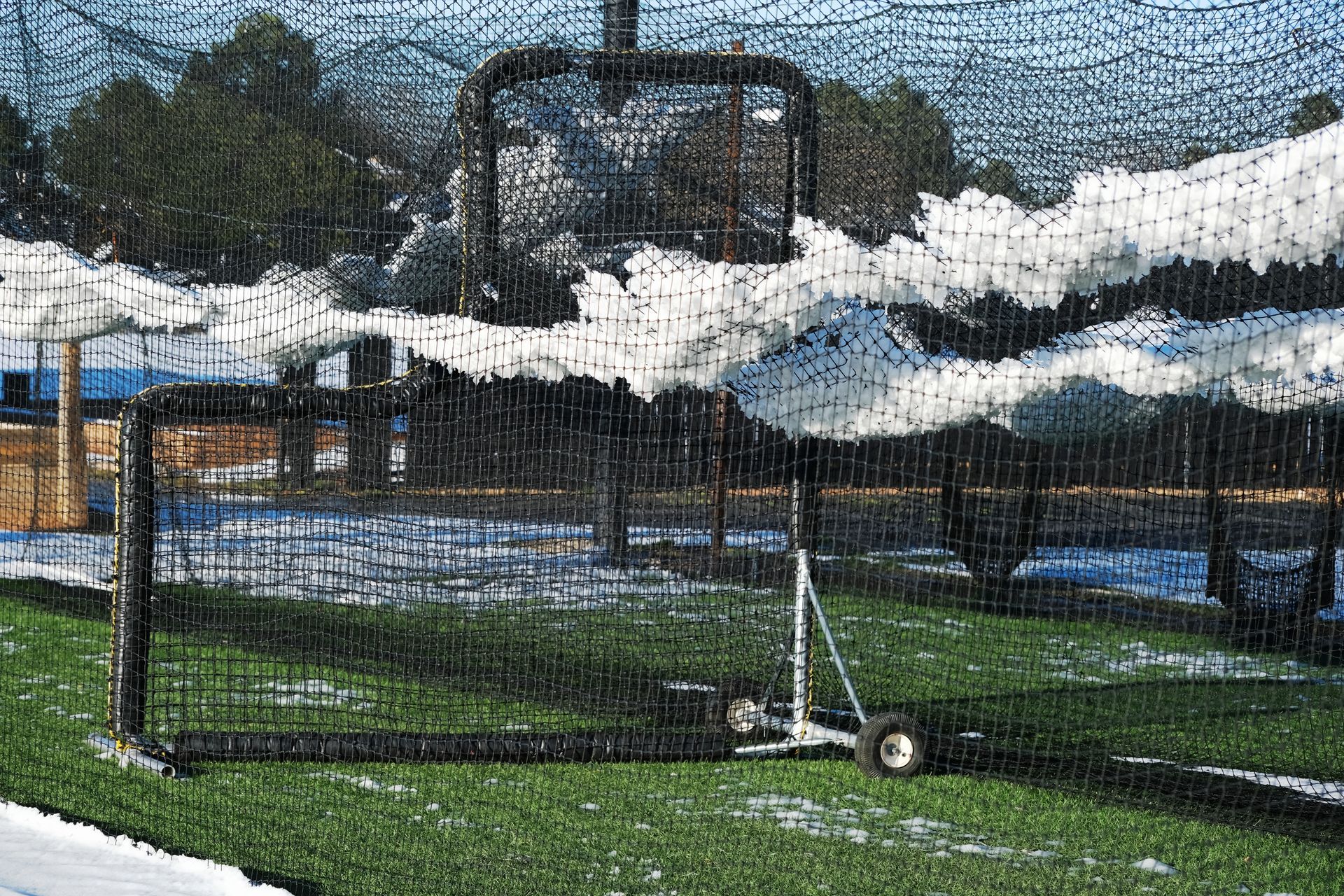
Spring is also the ideal time to evaluate netting systems. Netting that protected fields and spectators all winter may have experienced tension loss, UV exposure, or hardware wear that is not immediately visible without inspection.
Synthetic Turf Inspection: What to Look For
A thorough synthetic turf inspection should go beyond a visual walk-through. While obvious damage is easy to spot, many performance issues develop gradually and require closer evaluation. Facilities that schedule professional inspections often discover issues early enough to correct them without disrupting play.
Key inspection areas include:
- Turf fiber wear and matting
- Infill levels and distribution
- Seam integrity and edge detailing
According to the Synthetic Turf Council, maintaining proper infill depth is critical to surface performance and safety. Infill that has migrated or compacted unevenly can reduce shock absorption and alter traction. Spring maintenance typically includes decompaction and redistribution to restore the surface to manufacturer specifications.
Drainage should also be evaluated during inspections. Spring storms in Texas can be intense, and poor drainage may not become apparent until the first major rainfall of the season. Checking for pooling or slow drainage helps ensure fields remain playable after weather events. Facilities planning for severe weather and seasonal conditions may also find guidance in strategies used to rain-proof sports seasons in Texas.
Addressing Synthetic Turf Repair Needs Early
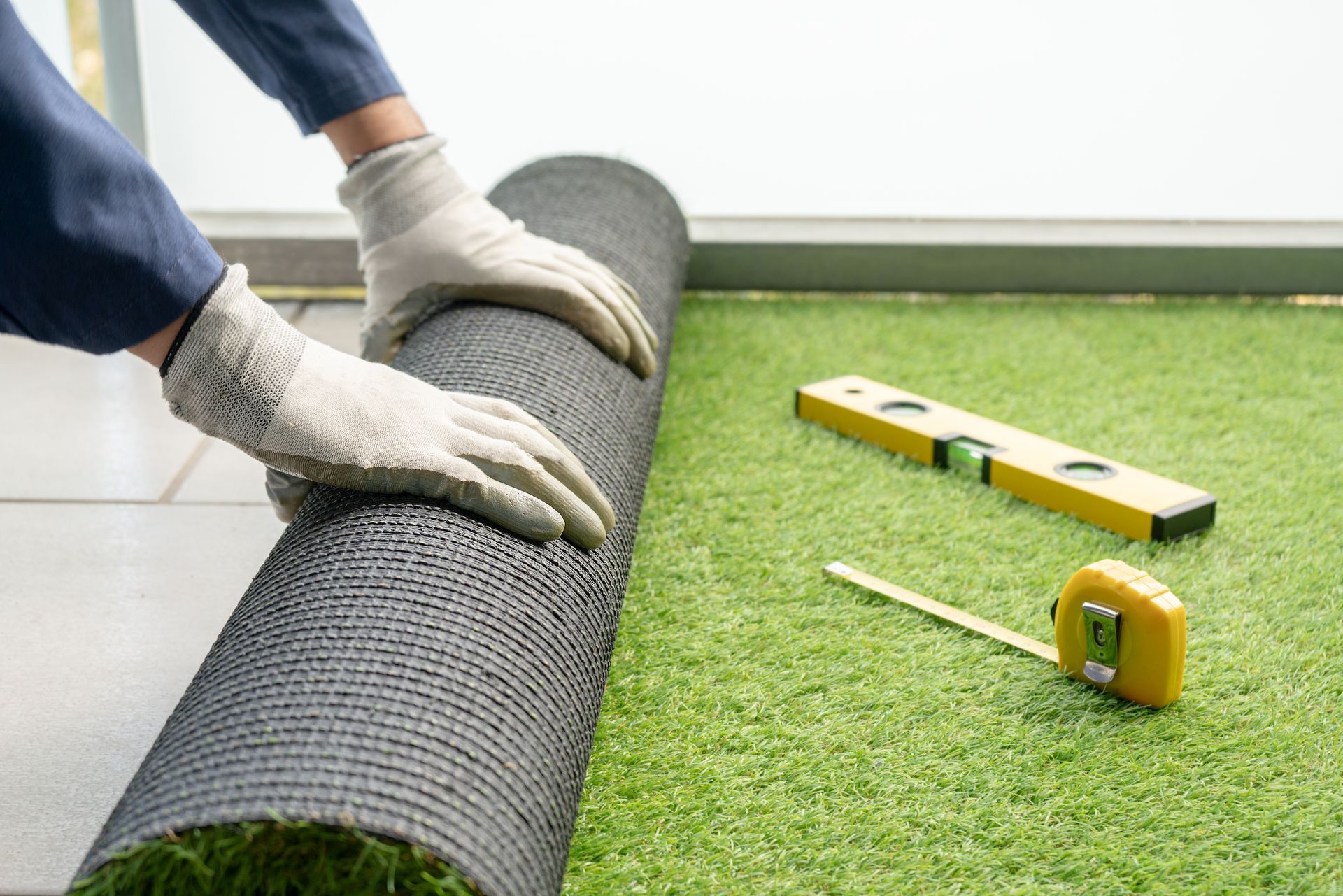
Spring is the most cost-effective time to handle synthetic turf repair. Minor seam separations, loose edges, or localized damage can often be repaired quickly if caught early. Waiting until issues worsen can lead to larger affected areas and higher repair costs.
Common repair needs identified during spring include:
- Seam re-gluing or stitching
- Repairing damaged high-wear zones
- Securing loose perimeter edges
Facilities that postpone repairs often face disruptions later in the season when schedules are least flexible. From experience, even small seam issues can quickly expand under repeated cleat traffic if not addressed promptly.
Professional repair services ensure that fixes are completed using compatible materials and methods that preserve warranty coverage and field performance.
Netting System Maintenance and Safety Checks
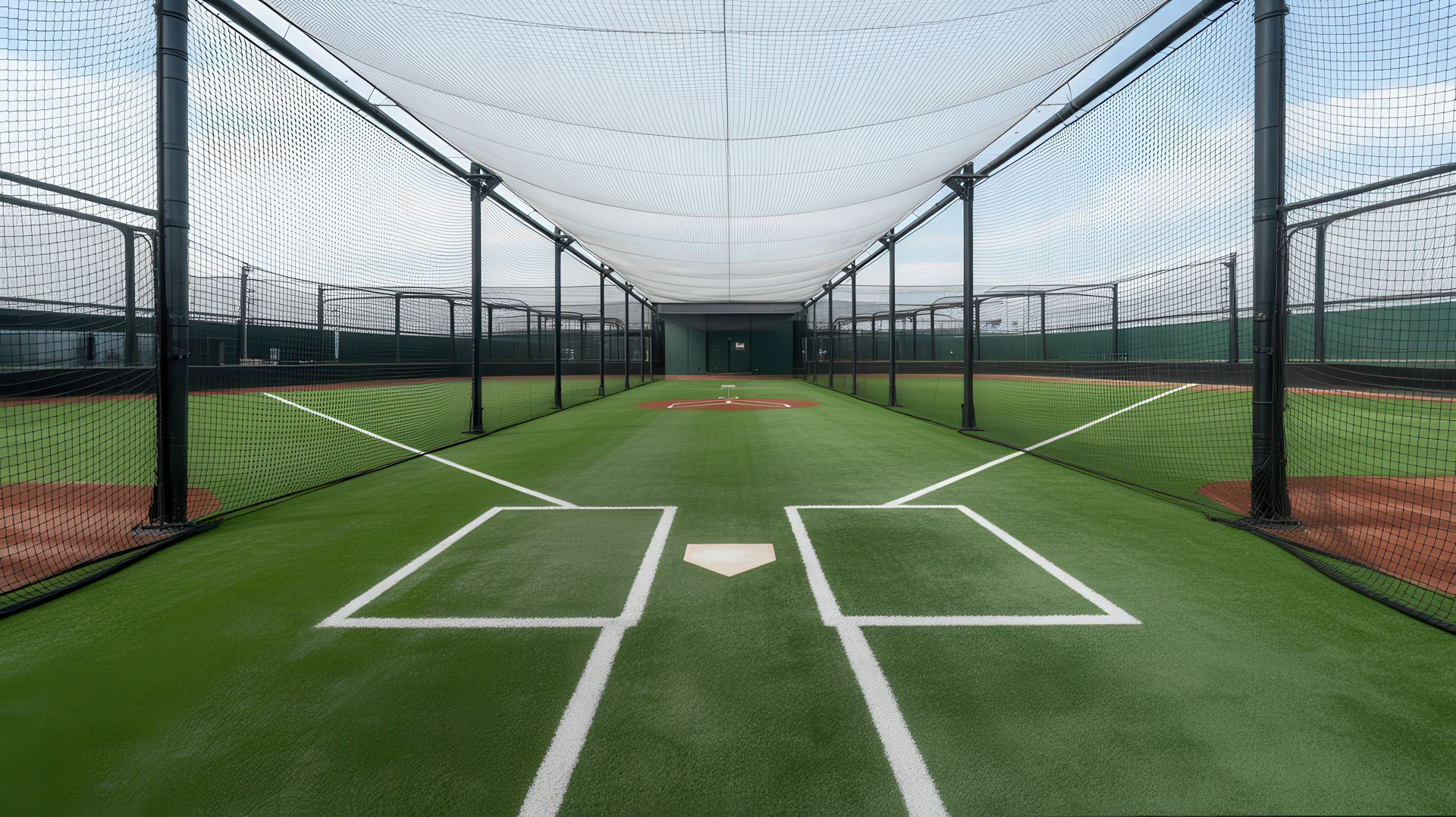
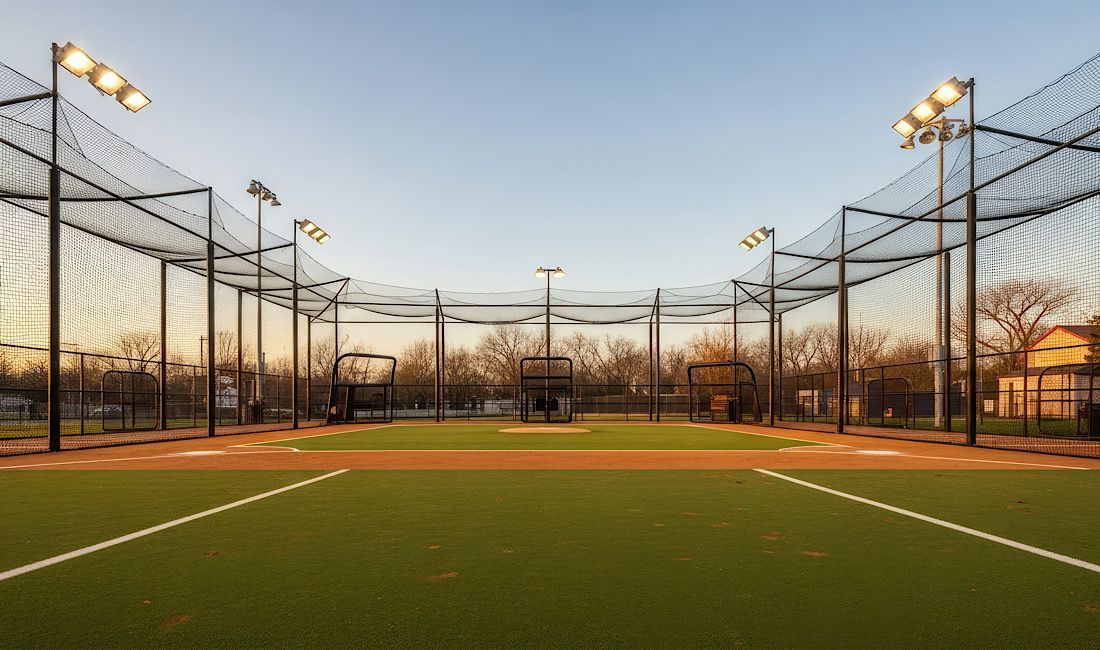
While turf often receives the most attention, netting systems play a critical role in spring sports safety. Baseball and softball seasons bring increased ball velocity and spectator presence, making properly functioning netting essential.
Spring netting inspections should focus on:
- Tension consistency across panels
- Signs of UV degradation or fraying
- Hardware, cables, and anchor points
The American Society for Testing and Materials emphasizes that sports netting systems must maintain proper tension and structural integrity to perform safely. In Texas, prolonged sun exposure can weaken netting fibers over time, even if damage is not immediately obvious.
From firsthand field evaluations, spring is when we most often find netting that loosened during winter winds or hardware that corroded due to moisture exposure. Correcting these issues before the first pitch significantly reduces risk to players and spectators.
Cleaning and Appearance Considerations
Spring is also an ideal time to address field cleanliness and presentation. Leaves, debris, and airborne particles accumulate over time and can affect both appearance and performance. Routine cleaning improves drainage, preserves fiber resilience, and enhances overall facility presentation.
Recommended spring cleaning tasks include:
- Removing debris and organic matter
- Brushing fibers to restore upright position
- Sanitizing high-contact areas when appropriate
According to industry maintenance guidelines, keeping turf clean helps prevent infill contamination and premature wear. For schools and municipalities, a well-maintained field also reinforces community pride and professionalism during peak sports seasons.
Planning Maintenance Around Busy Spring Schedules
One of the challenges Texas facilities face is fitting maintenance into already full spring calendars. Proactive planning allows maintenance and inspections to occur with minimal disruption. Many tasks can be completed during short windows between events or during early-season periods before schedules reach full capacity.
Best practices for spring maintenance planning include:
- Scheduling inspections before the first major tournament
- Prioritizing high-use areas for early attention
- Coordinating turf and netting maintenance together
Facilities that bundle turf field maintenance and netting inspections often save time and reduce overall downtime. This integrated approach ensures that all safety systems are addressed consistently.
Partnering With Turf and Netting Professionals
Spring preparation is not just about fixing problems—it’s about preventing them. Working with experienced sports turf professionals provides access to specialized equipment, trained technicians, and objective assessments that internal staff may not be equipped to perform.
Texas Sports Turf & Netting works with schools, municipalities, and sports complexes throughout Texas to conduct preseason inspections, maintenance, and targeted repairs. This proactive approach helps facilities enter the spring season confident that their turf fields and netting systems are ready for peak use. Engaging professionals early allows minor issues to be addressed efficiently and helps protect long-term field performance.
Frequently Asked Questions About Spring Turf Field Maintenance
How often should synthetic turf fields be inspected?
Most facilities benefit from seasonal inspections, with additional checks during periods of heavy use.
Does synthetic turf require spring maintenance if it looks fine in winter?
Yes. Winter conditions can cause infill compaction and hidden wear that only becomes problematic under spring activity.
What are the most common spring turf repairs?
Seam repairs, infill redistribution, and high-wear area restoration are among the most common.
How long does spring turf maintenance take?
Many maintenance tasks can be completed in one to two days, depending on field size and condition.
Should netting systems be inspected every spring?
Yes. Increased spring sports activity makes preseason netting inspections essential for safety.
Spring sports seasons move quickly, and facilities rarely get a second chance to prepare once schedules are underway. Investing time in turf field maintenance, synthetic turf repair, and netting inspections before peak play begins helps ensure safe, reliable surfaces throughout the season. With a proactive plan and experienced support, Texas athletic facilities can enter spring confident that their fields are truly game-ready.


Batting Cage Maintenance Checklist for Schools and Facilities: Preparing for High-Usage Fall Seasons